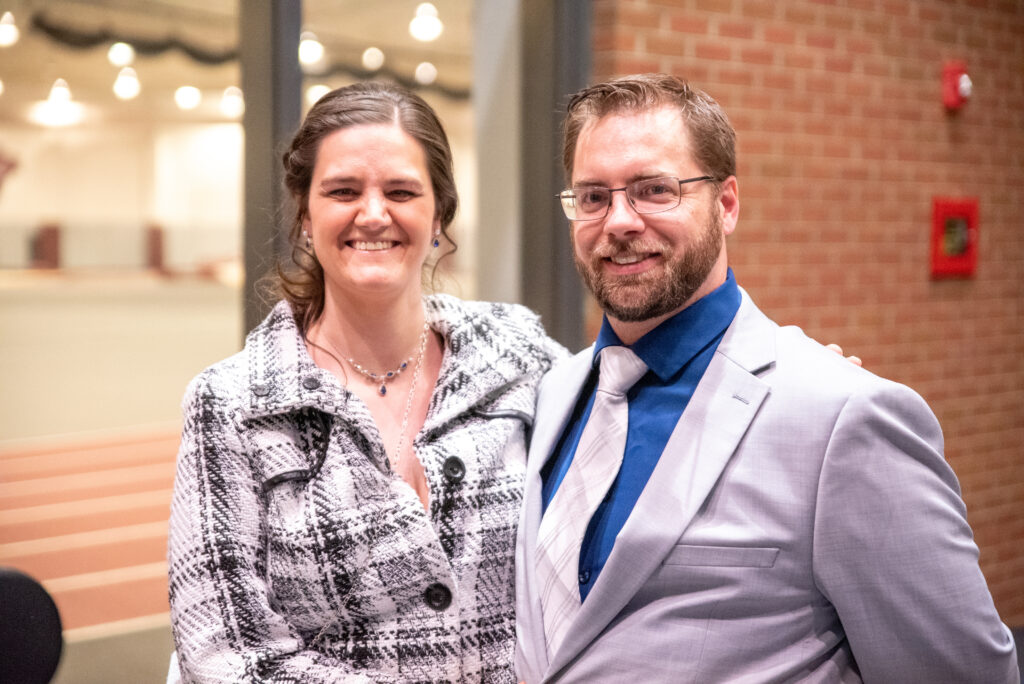
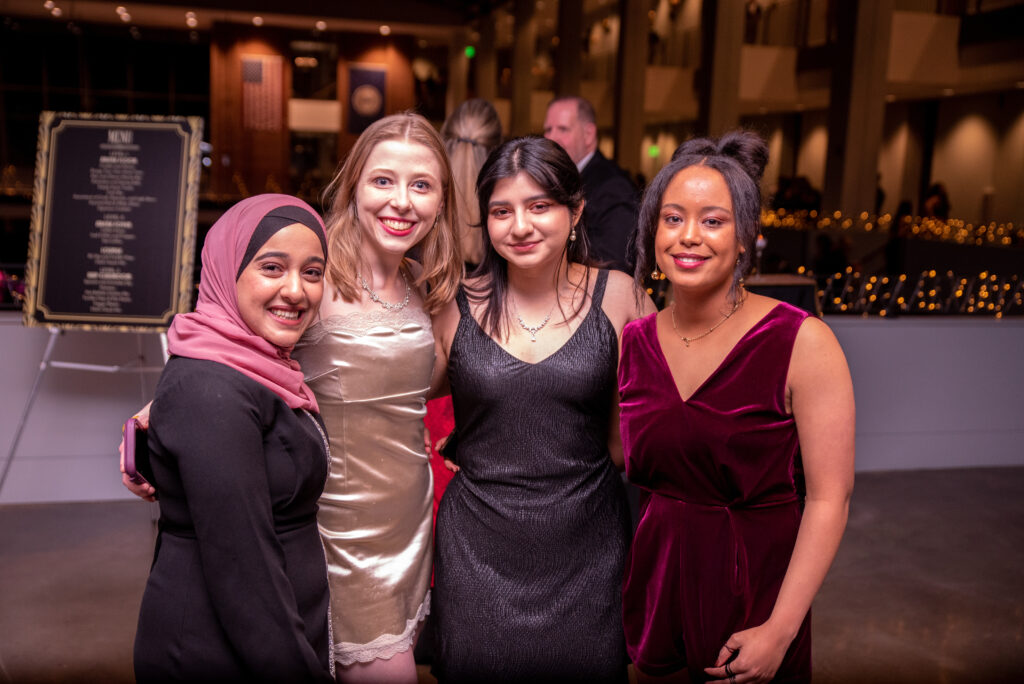
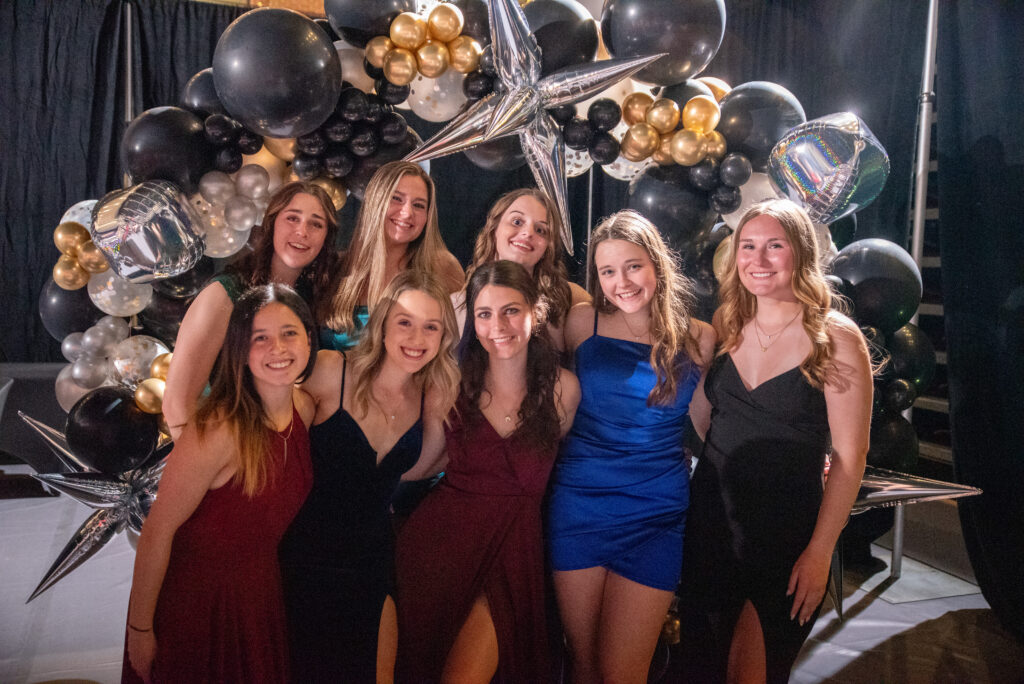
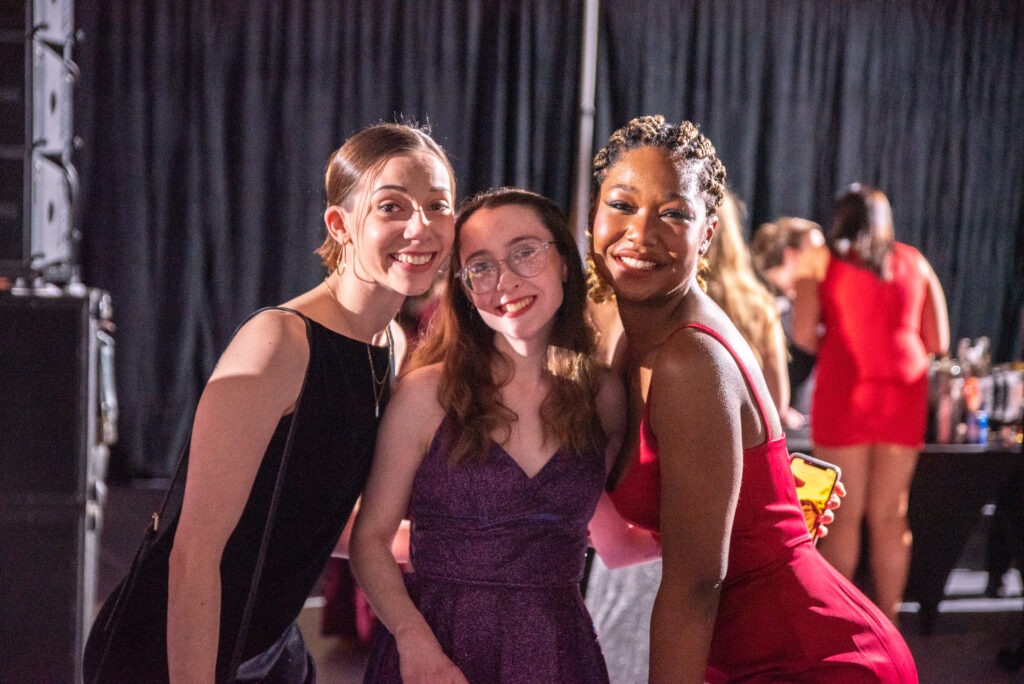
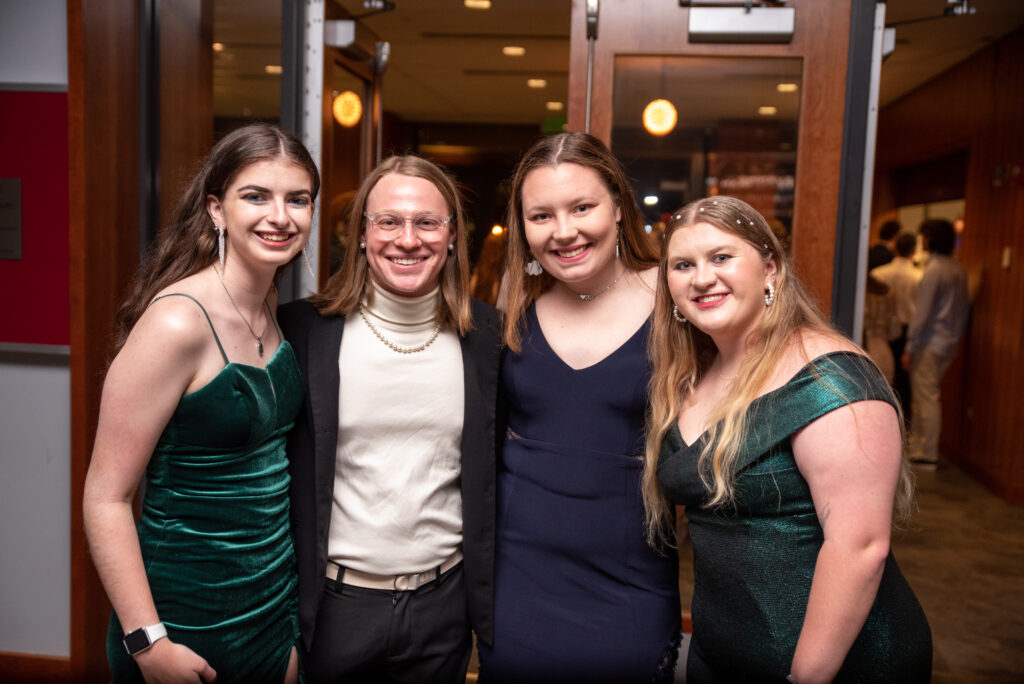
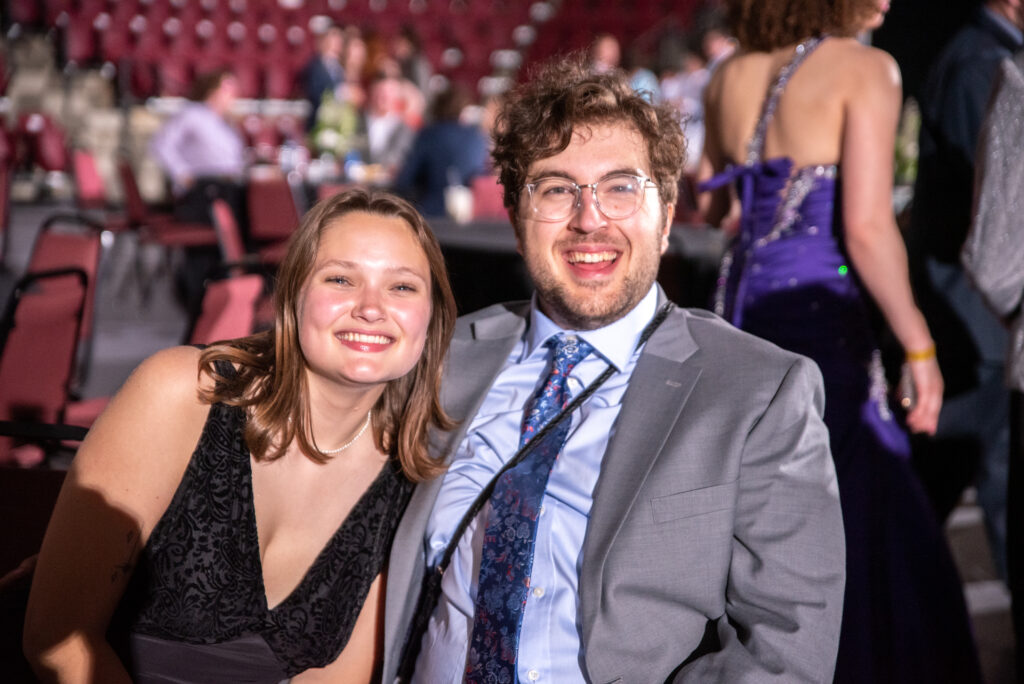
On Saturday March 18th, Roanoke College students, faculty, and staff gathered at the Cregger Center for the annual President’s Ball. The college community had a blast dressing up and dancing. This year’s event was notable as the first President’s Ball during the term of President Frank Shushok.
Many psychology students were spotted enjoying the evening. Enjoy these pictures of #PsychRC at Roanoke’s biggest night of the year!
Allyson Herriges ’23 (left)Maryam Nishtar ’23 (second from right)Megan onofrei ’24 (front row, second from left)Sophia Contini ’24 (middle)Timothy Hoffstaetter ’24 (second from left)Kristi Rolf ’23 (left)
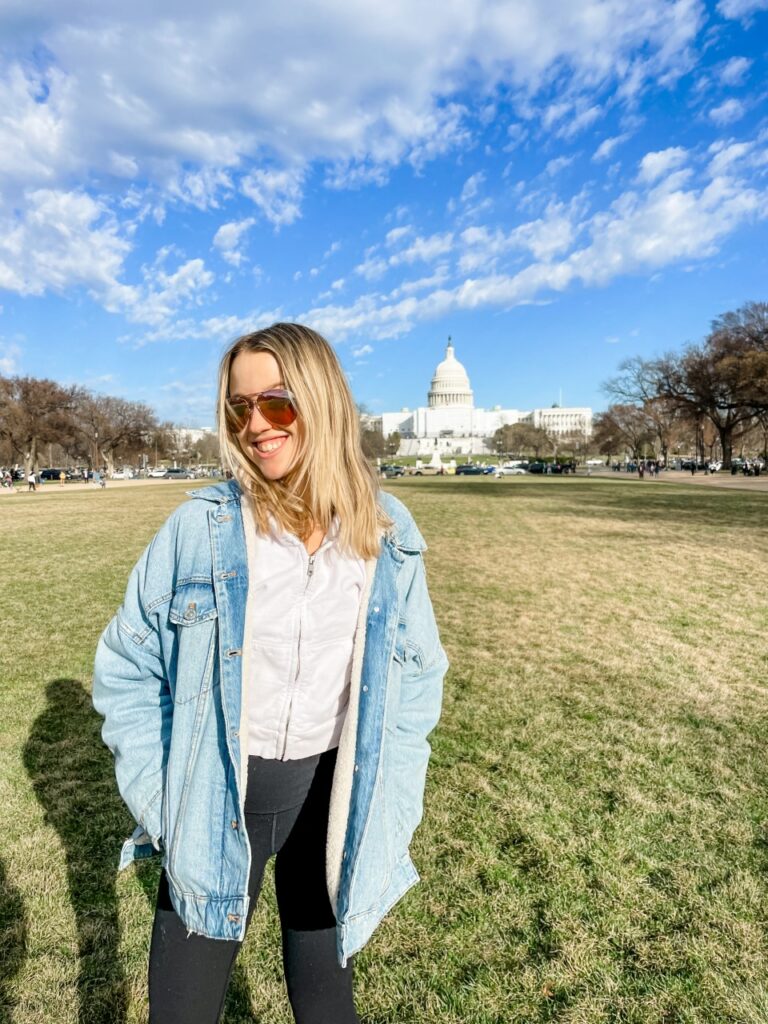
Megan Onofrei ’24 is spending her semester in the U.S. capital by participating in the Lutheran College Washington Semester (LCWS) program. A junior from Mesa, Arizona, Onofrei majors in Political Science with a minor in Psychology. Outside of the classroom, she plays defense for Roanoke College Women’s Soccer.
Megan Onofrei ’24 enjoys time on the National Mall
The Lutheran College Washington Semester allows Roanoke students to live and study in Washington D.C. while gaining professional experience through an internship. Onofrei is currently interning at the Normandy Group, a government relations firm.
Onofrei describes her internship as “well organized but also flexible and highly interactive.” Interning at the Normandy Group, Onofrei is “involved in all aspects of the firm’s responsibilities” but she notes that “I also retain the opportunity to attend Congressional hearings or networking events throughout the day that are related to the clients and projects that I am a part of.” This keeps her days “exciting and busy!”
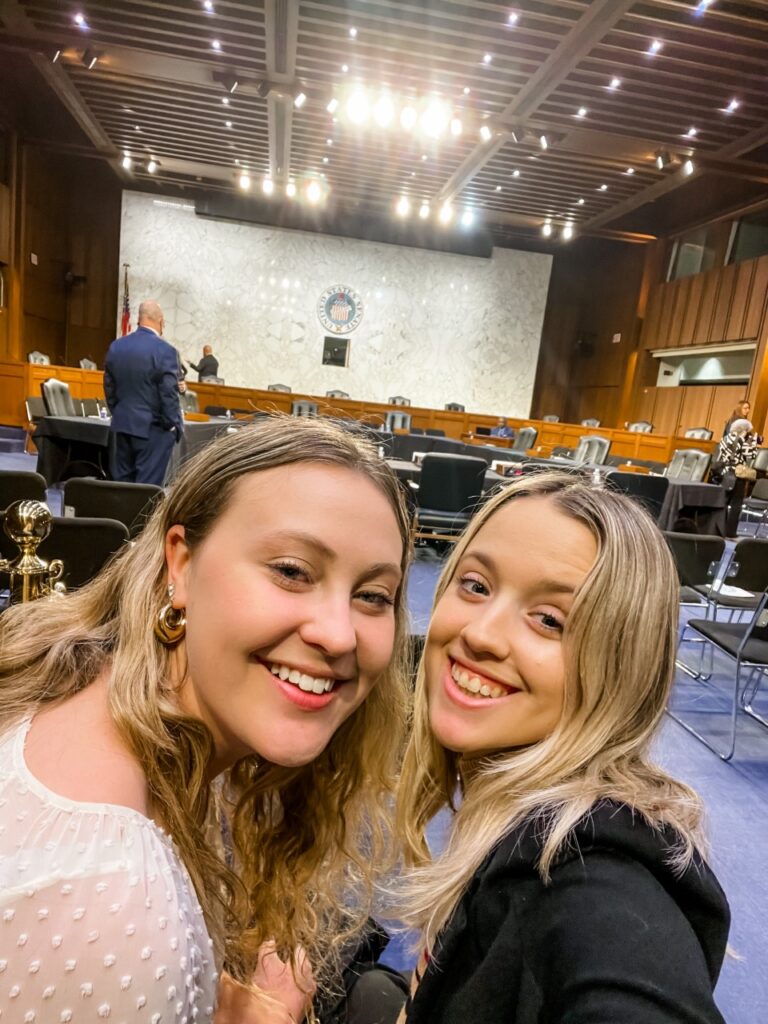
Onofrei and roommate Jocelyn Snader ’24 attend the Senate Judiciary Committee Hearing
Onofrei’s time in D.C. has been saturated with politics, but her psychology studies have been relevant throughout. She says,
“the concepts that I have learned about in Social Psychology apply directly to the interactions that I have with work colleagues or other professionals. On a larger scale, I have seen the reality of psychological phenomena that is a driver for certain decisions made by Congress.”
The Washington semester is open to students from any major, and any type of internship can can be completed for credit! Onofrei says “psychology students should definitely consider participating in the Washington Semester because there is a lot of networking and interpersonal interaction available here!” This experiential learning and career experience will set any student apart as they prepare for graduate school or the workforce.
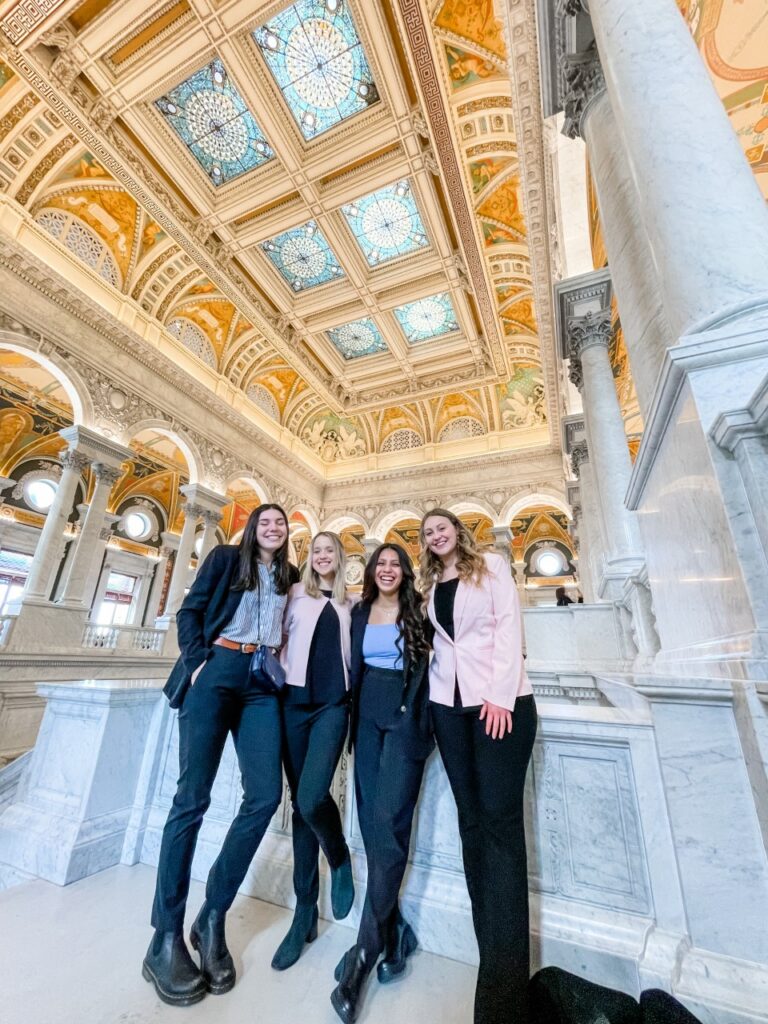
Onofrei and fellow LCWS students on a field trip the the Library of Congress
Professional experiences abound at LCWS! On a recent LCWS field trip, Onofrei and other students toured the Library of Congress, pictured above. Onofrei has also attended hearings of the House Oversight Committee and Senate Judiciary Committee. She says, “I have plans to sit in a Supreme Court Oral Argument later on in the semester, an opportunity that I am extremely excited for!”
Outside of the work day, LCWS provides ample opportunity to explore the nation’s capital. Onofrei has enjoyed exploring monuments and memorials, taking in the architecture of D.C., and hitting up the culinary scene by trying new coffee shops and restaurants. But her favorite recreation so far has been visiting D.C. suburbs like Alexandria and Georgetown, “it is very relaxing to walk along these long brick-lined streets, full of shops and beautiful architecture.”
Want to learn more about LCWS? Visit https://www.washingtonsemester.org/ or contact Dr. Todd Peppers (peppers@roanoke.edu) for more information!
Last week, two Psychology majors were elected to join Phi Beta Kappa, the country’s oldest and most prestigious academic honor society. Seniors Allyson Herriges and Caroline Powell were recognized for outstanding achievement in the liberal arts and sciences.
To be eligible for membership in PBK, college students must complete a wide berth of coursework beyond requirements for their major, study a language and math or statistics, and be determined to have good moral character. Read more details about membership requirements here!
Phi Beta Kappa nominees from the 2022/2023 school year will be inducted at a formal ceremony on May 5th 2023, the day before commencement.
Congratulations Allyson and Caroline! The psychology department is proud to recognize your achievement and wishes you the best of luck after graduation.
Looking for something to do with your summer? You can get paid while conducting research and building a competitive CV for grad school applications! The University of Missouri is hosting a Paid Summer Research Experience for Undergraduates (REU) this summer. Read on for details about the program and how to apply!
Scientific Study of Interpersonal Relationships Across the Lifespan
The scientific study of interpersonal relationships over the lifespan is important to our broader understanding of the human experience. These relationships begin with our earliest interactions and continue well into later life, and through them we learn how to communicate with, trust, and support others, as well as handle conflicts and negative interactions. These relationships are also studied through a variety of different social and behavioral science disciplines, including psychology, human development, family sciences, and interpersonal communication. Increasing interdisciplinary insights into how close relationships and human social networks function and impact well-being across the lifespan is important to consider in training the next generation of scholars.
The University of Missouri (MU) is hosting a new National Science Foundation REU Site* centered on the scientific theme of Close Relationships. This nine-week on-campus summer program (8 students per summer) is centered on the interdisciplinary, lifespan developmental, and diverse nature of the scientific study of close relationships. This REU site will take advantage of the collaborative and interactive research environment fostered by the Family and Relationships Research Network of Missouri (FARR-net) at MU. Each undergraduate will be mentored by a primary FARR-net-affiliated faculty member from the departments of Communication, Human Development & Family Sciences, or Psychological Sciences, to design a project related to one or more primary close relationships (i.e., parent-child, sibling, friends, romantic/marital partners) from a developmentally-informed perspective.
Who should apply?
Rising sophomore, junior, or senior undergraduates with interests in close relationships research and graduate study in any relevant social and behavioral science degree program from across the U.S. are eligible for the program. We are particularly interested in reviewing applications from students who may not have strong research opportunities at their current institutions, as well as students who are either first-generation college students or students with minoritized identities.
How should students apply?
Applicants must complete an online application at the link below by Friday, March 31, 2023, as well as submit a CV or resume, an unofficial transcript, a one-page (250 words) description of the student’s educational and career goals, and one letter of recommendation (ideally from a faculty member at their current institution).
The REU program site will cover admitted students’ travel to and from the University of Missouri, as well as campus lodging and meals for the entire 9 week program (Tue 5/30 – Fri 7/28, 2023). Students will also earn a stipend of $600 per week ($5400 over the course of the summer) while participating approximately 40 hours per week in: 1) research with an individual faculty member in their area of expertise, 2) participating in weekly seminars on close relationships, as well as other areas of professional development (e.g., graduate school application preparation, competitive fellowship funding), 3) opportunities to present the research conducted, and 4) social programs sponsored by the MU Office of Undergraduate Research along with students from other on-campus summer research experiences.
This year, Roanoke College has expanded their academic catalog by launching a new concentration in Disability Studies.
“the concentration was designed with an interdisciplinary approach that reflects the truth that disabilities are woven into every aspect of society.” –Roanoke College
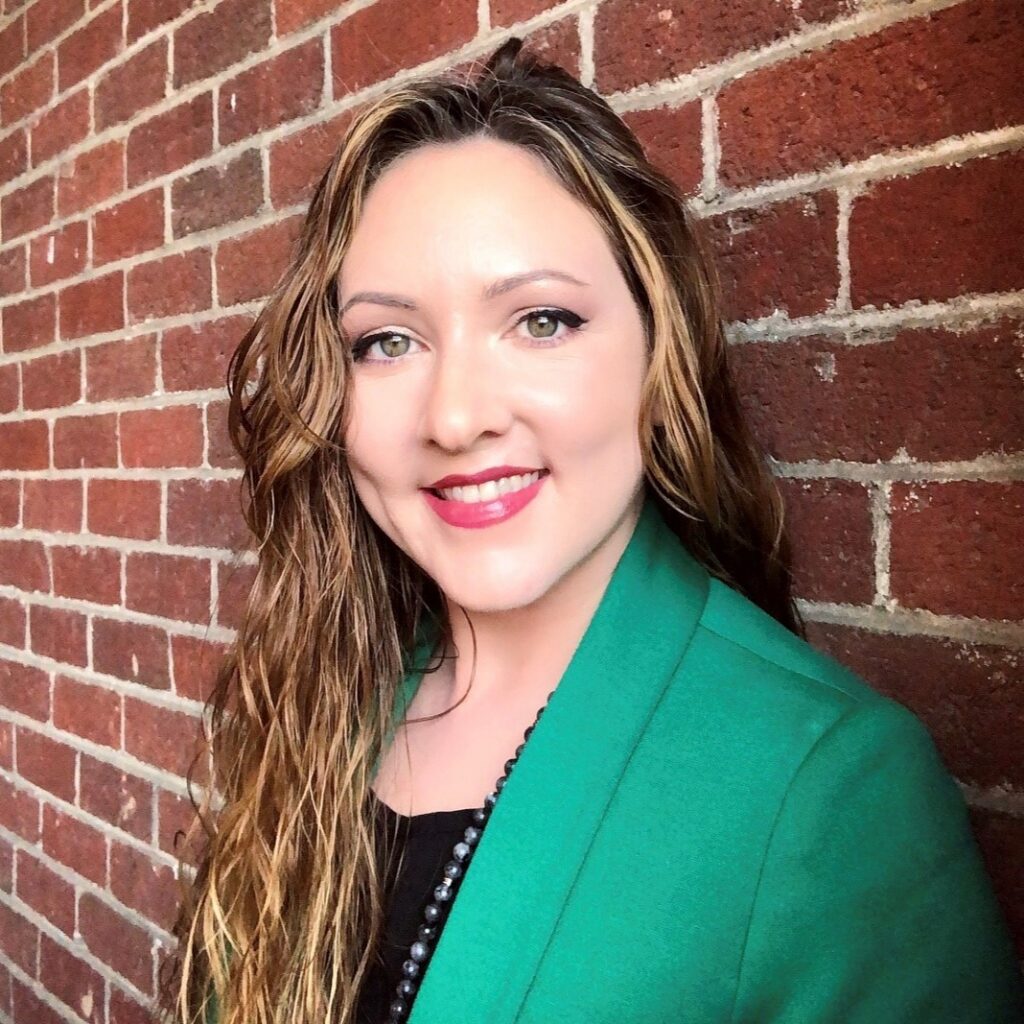
The interdisciplinary team of faculty directing the concentration include Dr. Teresa Milbrodt, Assistant Professor of English & Communication Studies; Mrs. Frances McCutcheon, Lecturer in Biology; and Dr. Andréa Burchfield, Visiting Assistant Professor of Psychology.
Required courses for the concentration focus on disability theory, the lived experience of people with disabilities, elective units, and a capstone consisting of an internship or independent study.
Dr. Burchfield shares that Disability Studies “prepares students for careers in the human services where they are likely to encounter people with disabilities.” Students who aim to attend graduate programs for special education, occupational therapy, speech and language pathology, and applied behavior analysis will especially benefit from completing the concentration.
Dr. Andréa Burchfield, Visiting Assistant Professor of Psychology, Coordinator for Disability Studies
The concentration is also aimed at providing students with disabilities at Roanoke College a means to “better understand themselves, their disability communities, and what to expect from the world at large, while also deepening their support network here on campus.”
Prior to teaching at Roanoke College, Dr. Burchfield worked in the field by providing behavior therapy, disability education and consultation, and disability accommodation training. Her past research focused on children with autism.
She says,
“I’m motivated to educate students about disabilities after years of witnessing the systemic isolation, negative stigmas, and obstacles to accessing services that people with disabilities face. People without disabilities lack a general awareness about the challenges the disability community faces; I’d like to reduce that gap in awareness.”
Through disability studies, Dr. Burchfield hopes that students will create “positive changes for people with disabilities on campus and in their communities” and that current and prospective Roanoke students with disabilities will benefit from a stronger sense of community and belonging on campus.
The Psychology Department is excited that this valuable field of study is now represented on campus.
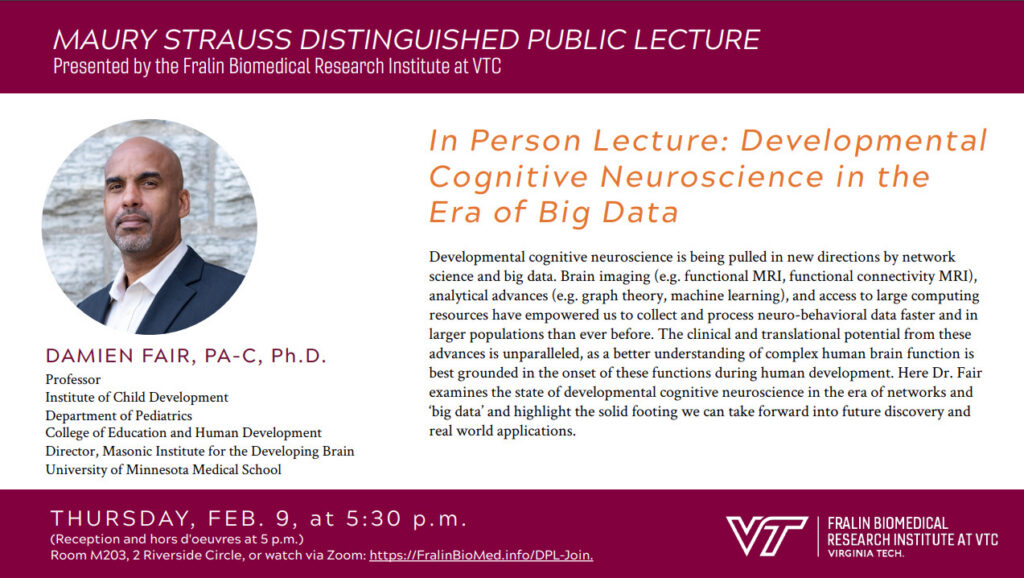
Psychology students are invited to attend the lecture titled “Developmental Cognitive Neuroscience in the Era of Big Data” hosted by the Fralin Biomedical Research Institute at VTC. On February 9th at 5:30pm, Damien Fair, PA-C, Ph.D. will be speaking on this topic.
“Developmental cognitive neuroscience is being pulled in new directions by network science and big data. Brain imaging (e.g. functional MRI, functional connectivity MRI), analytical advances (e.g. graph theory, machine learning), and access to large computing resources have empowered us to collect and process neuro-behavioral data faster and in larger populations than ever before. The clinical and translational potential from these advances is unparalleled, as a better understanding of complex human brain function is best grounded in the onset of these functions during human development. Here Dr. Fair examines the state of developmental cognitive neuroscience in the era of networks and ‘big data’ and highlight the solid footing we can take forward into future discovery and real world applications.”
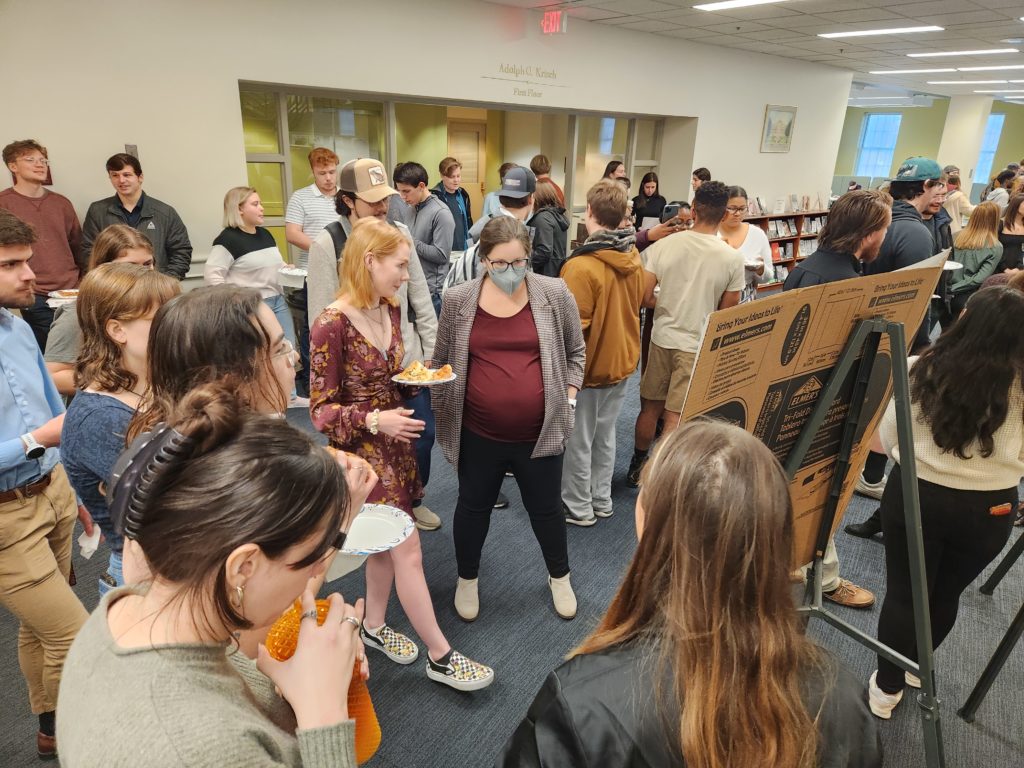
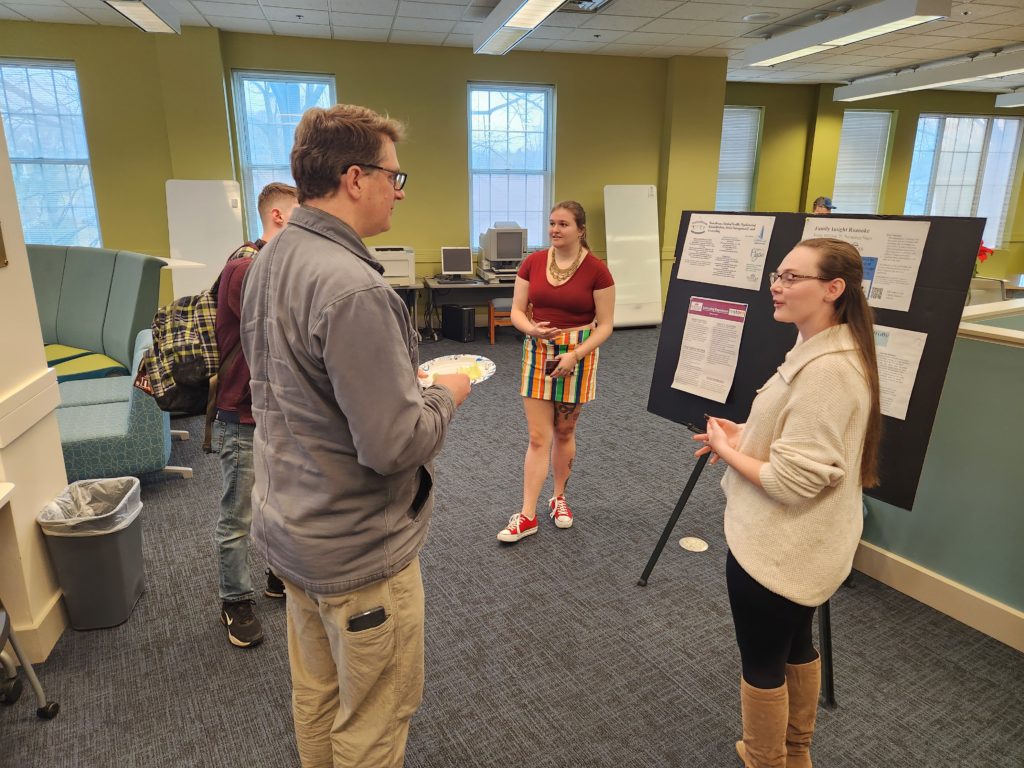
On Thursday December 8th, the Roanoke College community gathered to see psychology students present their latest research and internship experiences. This event is held at the end of every semester and always draws a crowd. As usual, Fintel library was packed with students, staff, and faculty alike to celebrate the hard work of driven psychology students.
Scroll through the photos below to see how our students enhance their learning beyond the classroom!
Fintel buzzes with excitement as students present research and internshipsDr. Findley-Van Nostrand and students listen to a presentation.Kelsey McCown and Devin Brown speak about their recent internships.
Research
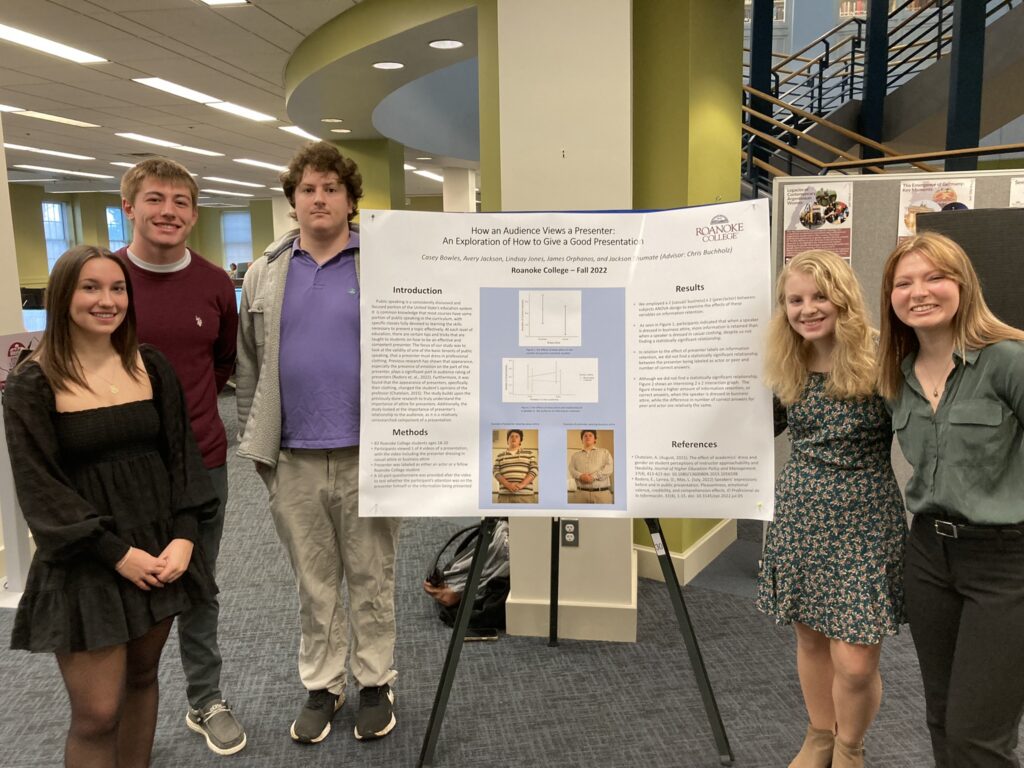
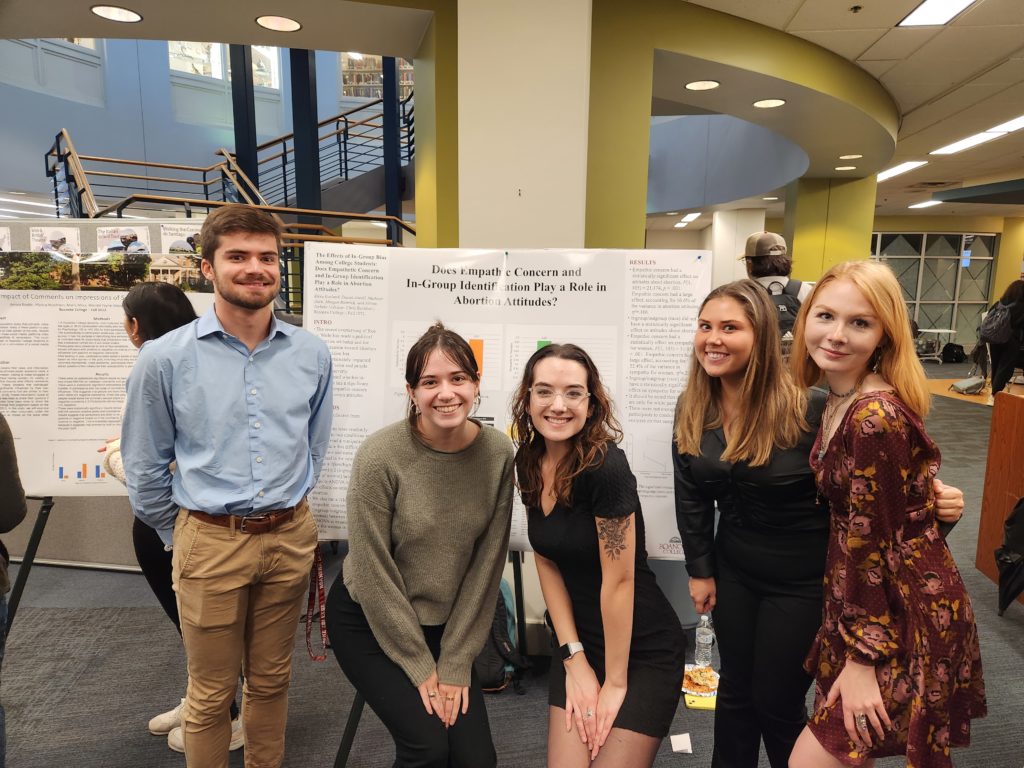
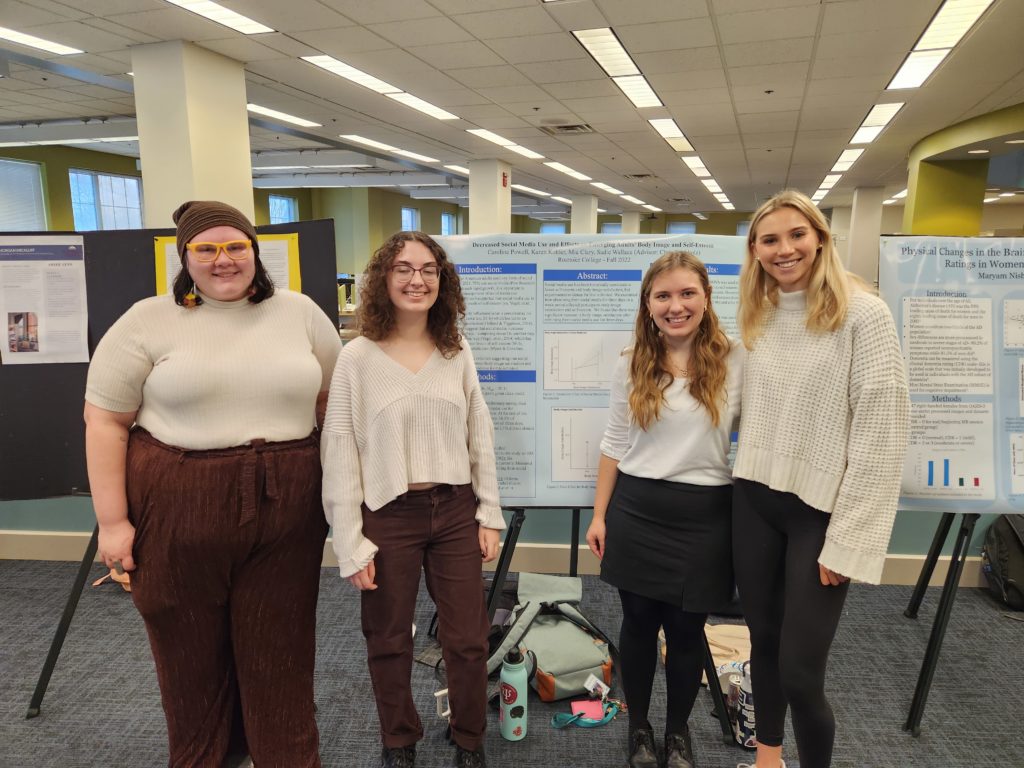
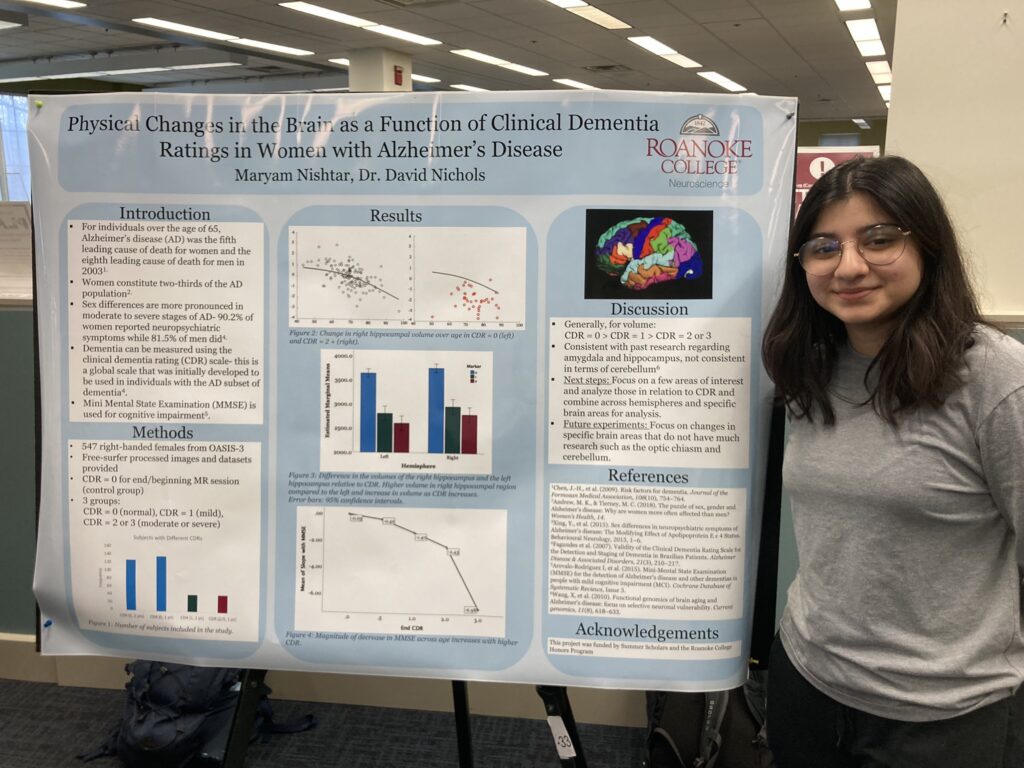
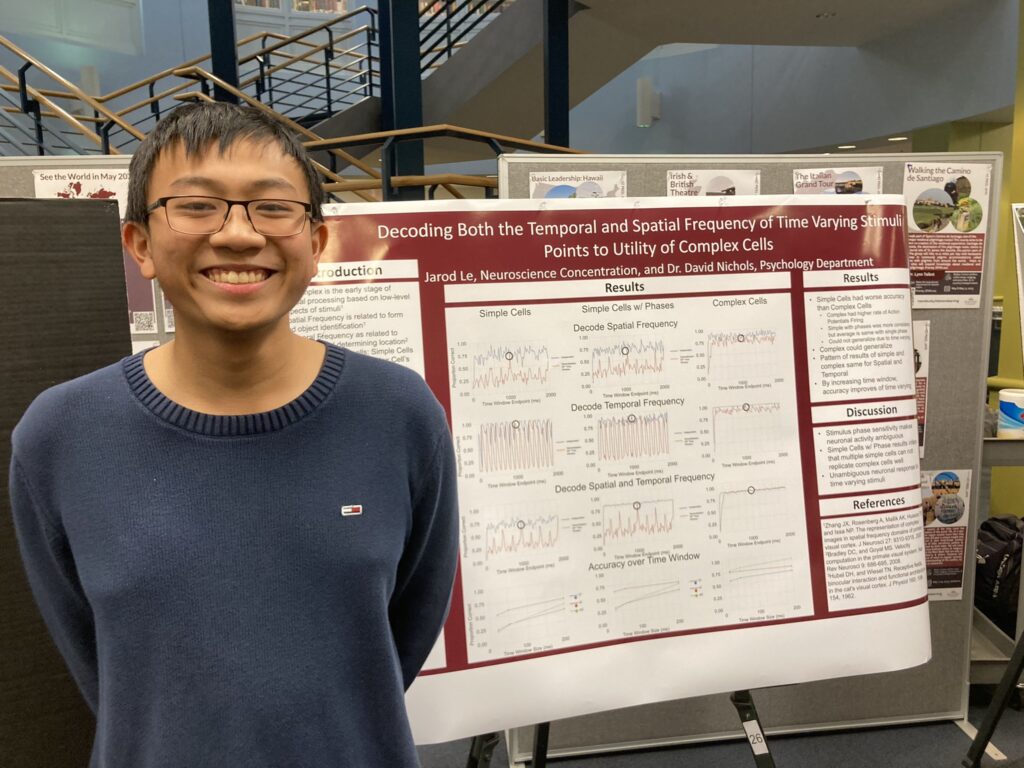
Psychology students love research! Senior seminar, honors in the major, and independent studies are just a few of many ways students conduct research under the supervision of faculty. These experiences are all presented at the poster session as seen in the pictures below.
Seminar students (left to right) Avery Jackson, Jackson Shumate, James Orphanos, Lindsay Jones, and Casey Bowles present their capstone project.Seniors (left to right) Daniel Jewell, Morgan Bamrick, Kirra Eveland, Madison Dorn, and Allison Verbeke present their capstone project.Seminar students (left to right) Sadie Wallace, Karen Kohler, Caroline Powell, and Mia Clary present their capstone project.Maryam Nishtar presents her project conducted with Dr. Nichols, Physical Changes in the Brain as a Function of Clinical Dementia Ratings in Women with Alzheimer’s Disease.Jarod Le presents his research conducted with Dr. Nichols titled Decoding the Temporal and Spatial Frequency of Time Varying Stimuli Points to Utility of Complex Cells.
HNRS 260 Projects
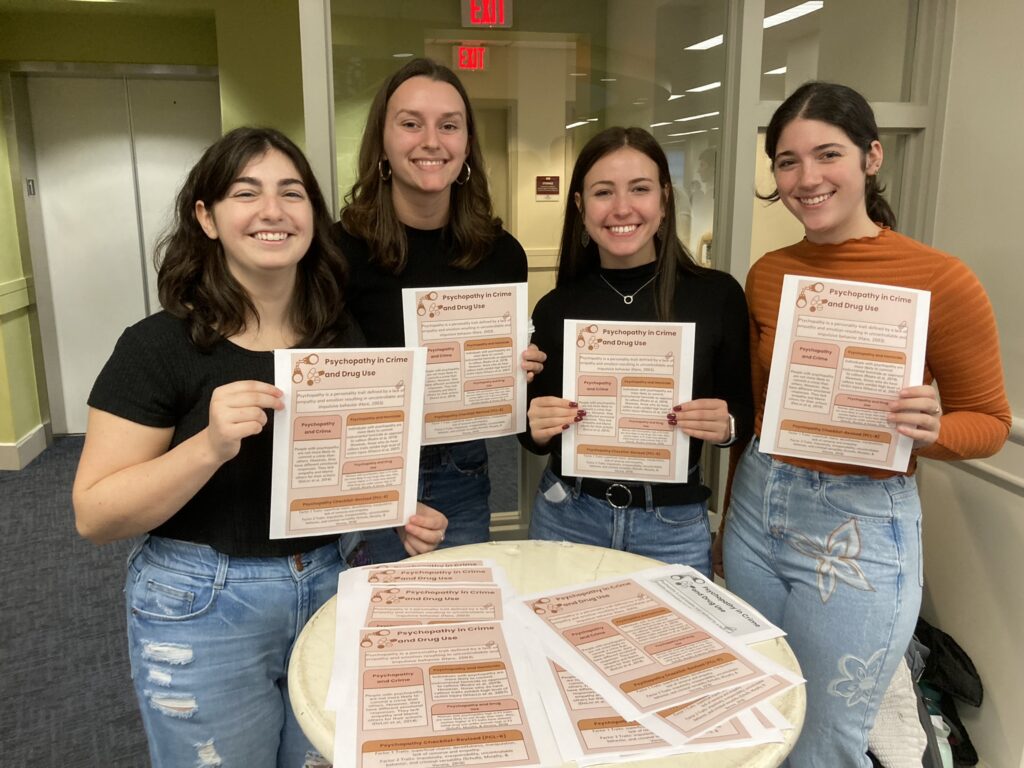
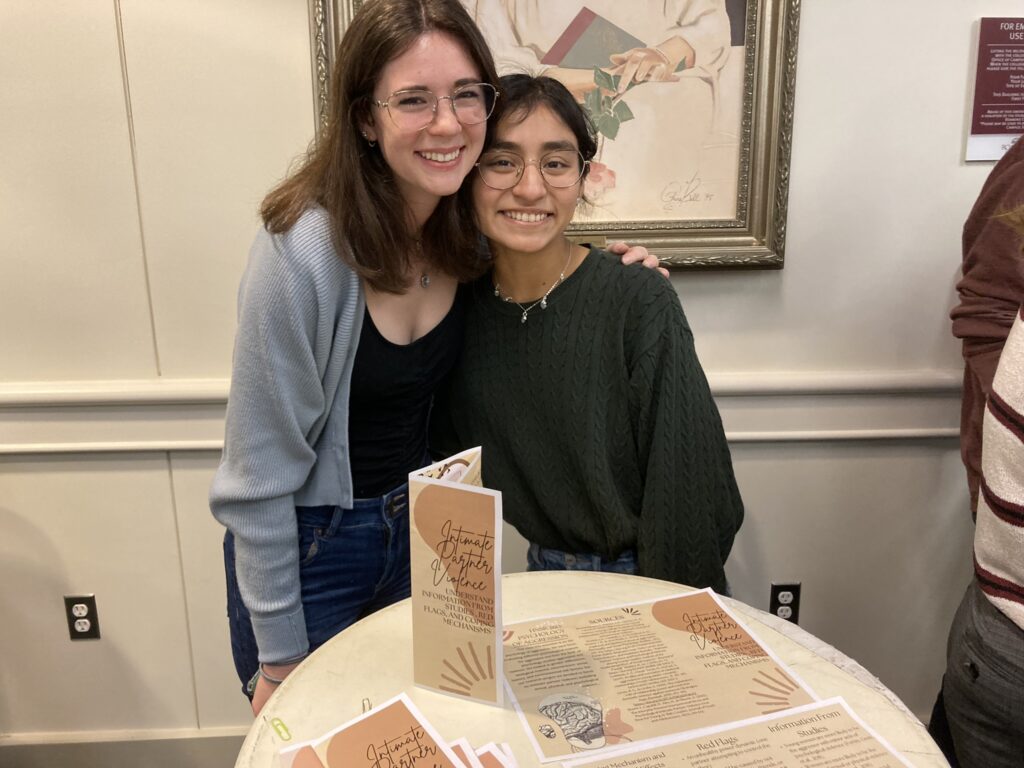
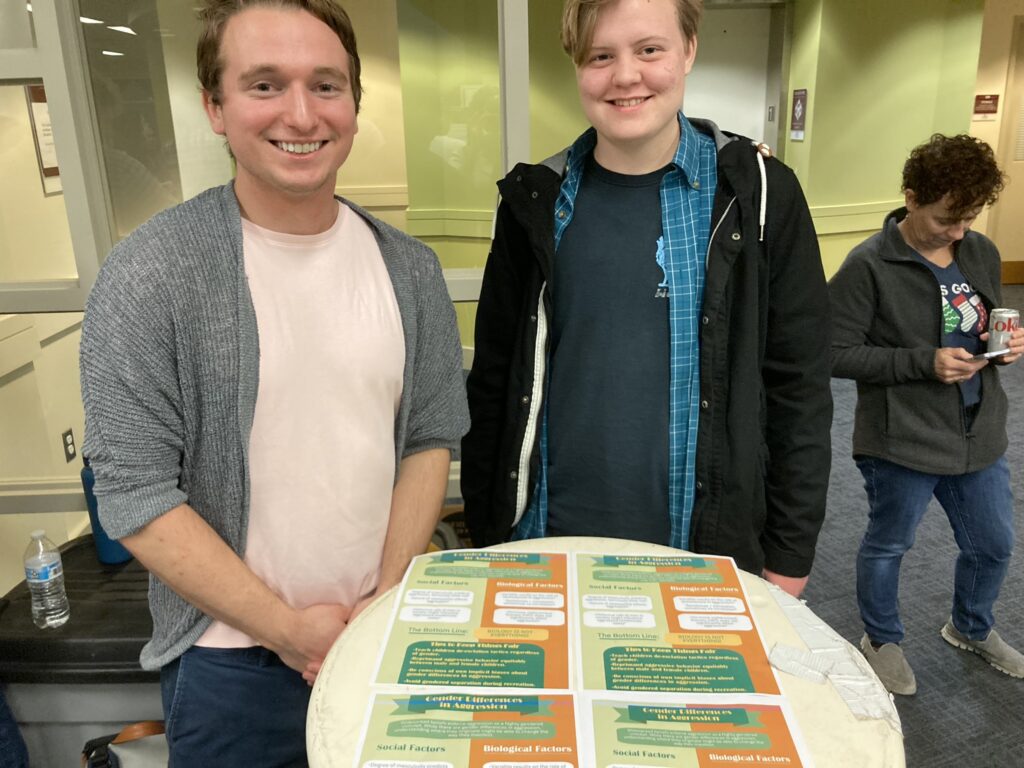
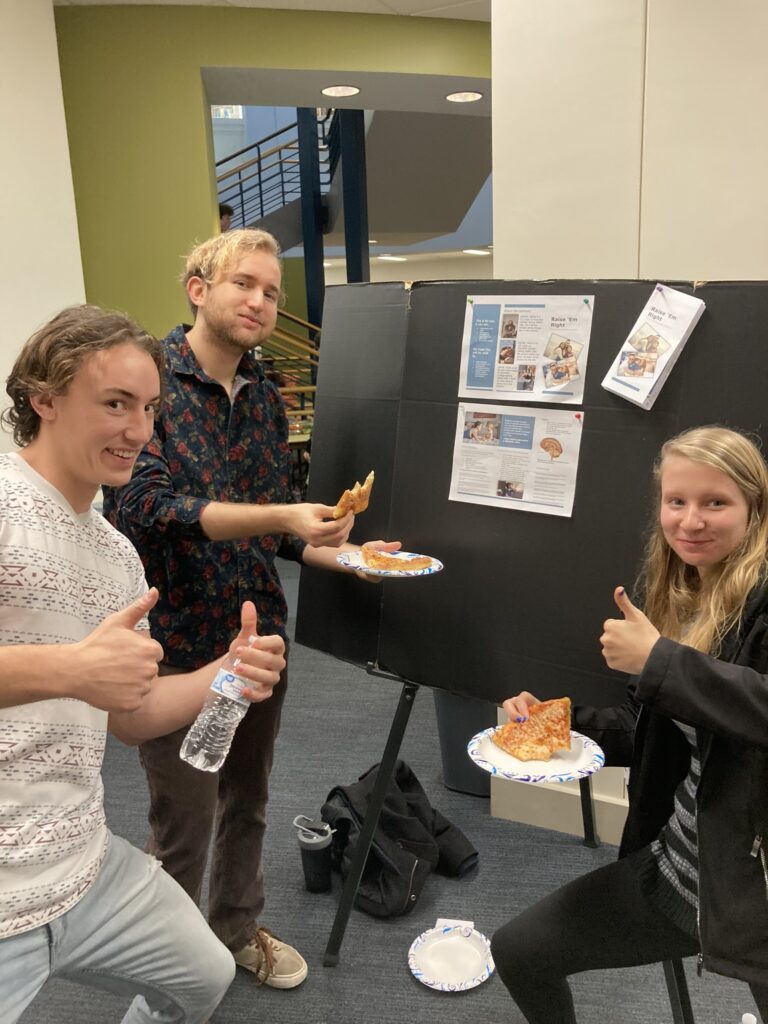
This semester, Dr. Findley-Van Nostrand taught an Honors-260 course titled The Psychology of Aggression. For their final project, students in the class worked in groups to create informational brochures or flyers summarizing practical applications of the topic they studied throughout the semester. In this course, students from a variety of academic backgrounds learned about the discipline of psychology and its applications.
HNRS 260 students present Psychopathology in Crime and Drug UseHNRS 260 students present their brochure on intimate partner violence.HNRS 260 students present Gender Differences in Aggression.HNRS 260 students enjoy pizza while sharing their brochure about psychopathy in children.
Internships
Many students also shared the workplace experience they gained through internships during the summer or school year. A broad range of internships qualify for academic credit and prepare students for the workforce after graduation.
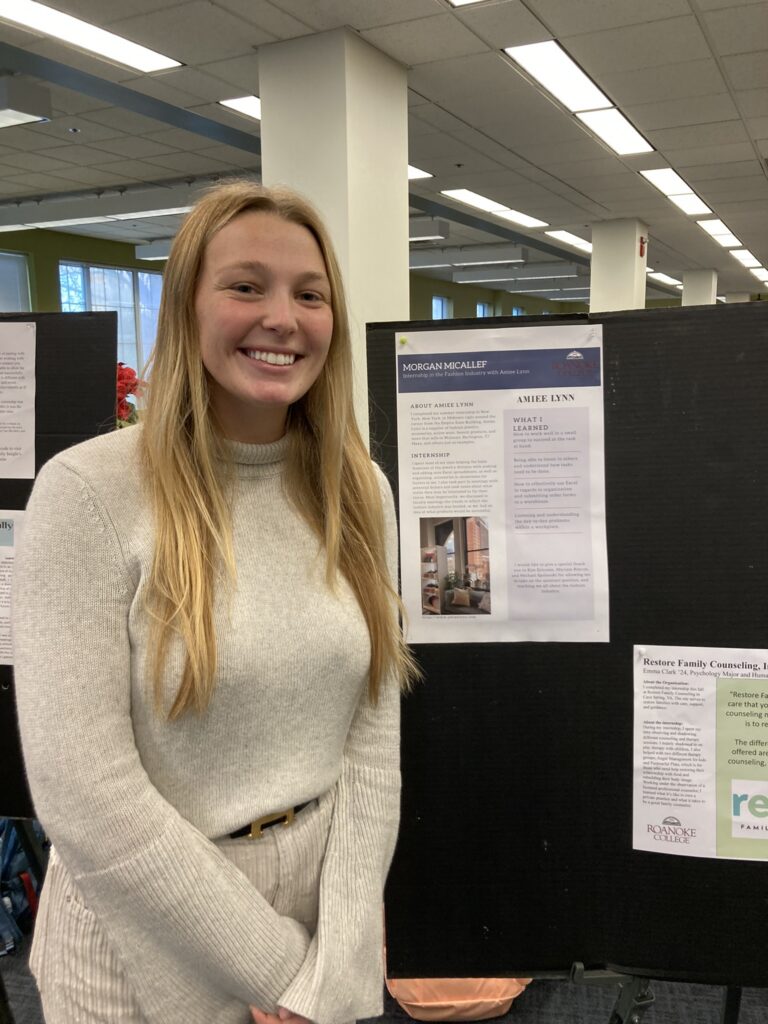
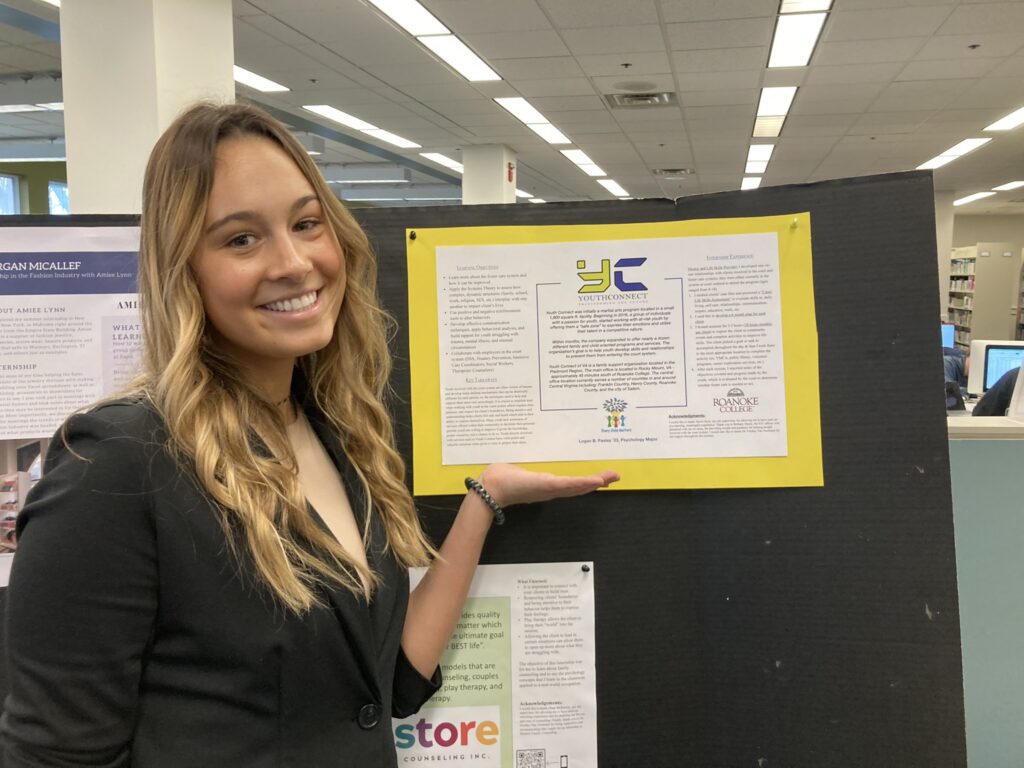
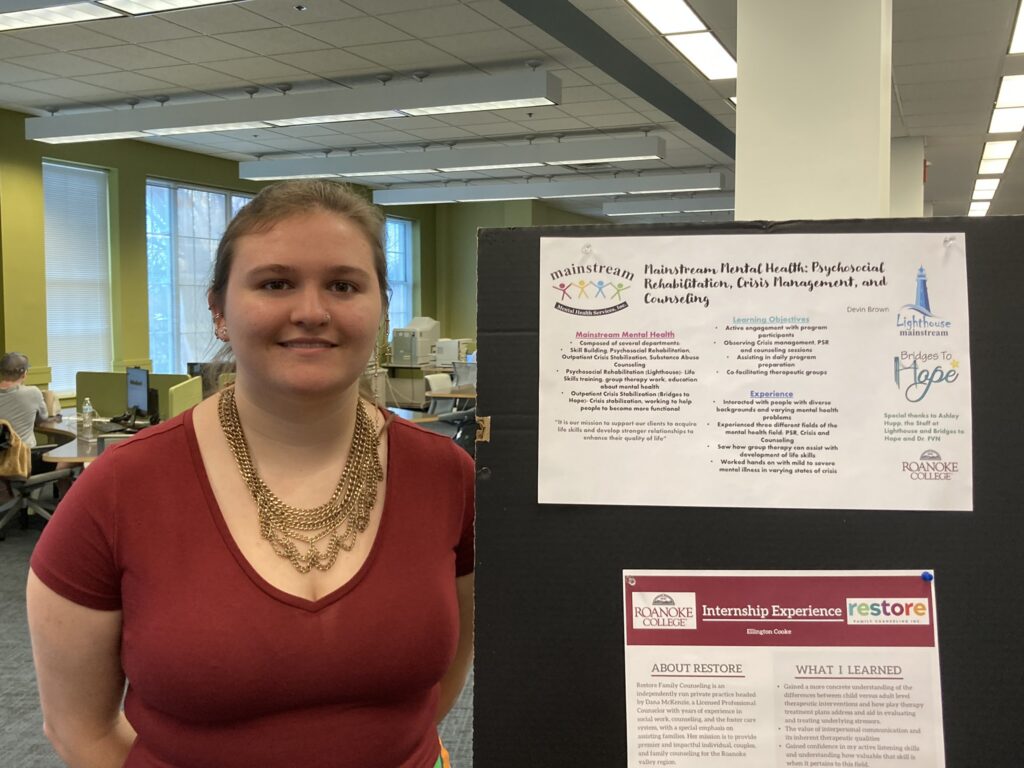
Morgan Michallef presents her fashion internship at Amiee Lynn in ManhattanLogan Pasley presents her work at Youth ConnectDevin Brown presents her work at Mainstream Mental Health in Roanoke, VA
You may recognize the acronym APA as the citation style psychology students use to write papers. But who or what is APA and what do they do? This post is APA 101: a beginner’s guide. The American Psychological Association has a wealth of resources you should be taking advantage of as a student and professional. Read on and click the underlined links throughout this post to explore how APA can serve you!
Background
The American Psychological Association is a professional organization representing the field of psychology in the United States. Founded in 1892, today’s APA has more than 13,000 members who are professionals and students connected with the study and practice of psychology (source).
(Important note: APA could also stand for the American Psychiatric Association, a similar group which focusses on the related field of psychiatry. Try not to mix them up!)
Citations
Let’s start with the basics for college students: citations. As a student, you will use APA style for papers and projects for class. If you conduct research in undergrad, graduate school, or during your career, you will publish your findings using APA guidelines. All current American psychology research is published and presented in APA format, so it is important to understand it so you can read the latest findings in the field.
But APA citations aren’t just standard in psychology. This style is also widely used in other social sciences as well as the fields of engineering, nursing, and business.
Luckily the APA’s website has a guide for using this style. This page features sample papers, helpful tips, and instructions for formatting your work and citing your sources. Bookmark the guide so you can find it for your next project!
Psychology Student Network (PSN)
Are you an undergraduate student who loves psychology but is looking for direction? Click here to find the latest edition of Psychology Student Network (PSN), the APA’s publication just for undergraduates.
It’s no secret that many psychology careers require a graduate degree. If you are planning to attend graduate school, visit APA’s grad school page for information about finding and applying to graduate programs, and how to succeed once you get there.
Don’t forget to take advantage of the graduate program search tool as you prepare for the next step in your education.
Career Hub
If the student chapter of your life is coming to an end, APA is there to guide you through your career.
Start here with the career options guide to learn about potential careers in psychology. Then, read APA’sjob search tipsto guide you before diving into the job search tool to locate current job openings nationwide.
Media
Last but not least, on to the fun stuff! APA has a number of resources to satisfy your curiosity about all the current topics in psychology.
Speaking of Psychology is a podcast hosted by Kim Mills, the APA’s senior director of strategic external communications and public affairs. Each episode, Mills interviews psychology researchers and practitioners to highlight new research and practices in the field. You can listen to the podcast on APA’s website, Spotify, Apple Podcasts, and Stitcher.
To learn about the most pressing topics that connect psychology to everyday life, check out this hub of current issues featuring articles about the biggest themes in the field today.
Finally, you can read the freshest scholarly papers on APA’s current researchpage. Here you can stay current on the latest findings in psychology.
The biggest takeaway from this post? You should visit the APA website! Whether you are a student, researcher, professional or just someone who thinks psychology is cool, there’s something for everyone at APA
How does a Roanoke College psychology student spend spend her summer? This year, senior Logan Pasley chose to intern at Youth Connect of Virginia, serving as a Mentor and Life Skills Provider.
Pasley originally hails from Penhook, Virginia and studies psychology with a minor in sociology at Roanoke. She recently began interning with Youth Connect in her hometown, an opportunity she pursued because “I have always wanted to work with children.” Additionally, Pasley’s goal was to learn more about the foster care system and how it can be improved.
Pasley works remotely for Youth Connect in a paid position while earning course credit, a great example of the wide variety of internship opportunities for psychology majors.
As Mentor and Life Skills Provider, Pasley develops a one-on-one relationship with young clients. When meeting a new client, she learns about their background and uses the Casey Life skills assessment to evaluate “life skills in daily living, self-care, relationships, communication, respect, education, work, etc.” Pasley uses this information to design and implement a six-month plan of action for each client.
Pasley’s work with clients is very hands-on. Each session, her job is “to plan a day in which the client is exposed to activities in the community. I allow my clients to choose a specific goal or task to get accomplished throughout the day and then take them to the most appropriate location to accomplish this goal.”
This work allowed Pasley to develop important skills. She says,
“I learned a way of communicating with individuals who struggle with trauma, mental illness, and grueling circumstances.”
After a full summer of working with Youth Connect, Pasley took the time to reflect on her growth and the impact she’s had on her clients. In what she describes as the most meaningful moment from her internship, Pasley’s was reunited with the first client she ever worked with. She remembers,
“the client’s face lit up when I walked into the room. Her DSS [Department of Social Services] worker added that the client found her voice through me and rediscovered her purpose.”
After her experience working with clients one-on-one, Pasley now wants to turn her attention to the legal system, focusing on “the structural issues that affect every individual involved with the legal system.” She says a change is overdue and is passionate about addressing unseen issues.
We can’t wait to see how Logan Pasley continues to change lives at Youth Connect and beyond!
Are you interested in completing your own internship as a psychology student? Visit the department’s internship page or contact Dr. Findley-Van Nostrand at findely@roanoke.edu.
Are you a current student interested in graduate school?
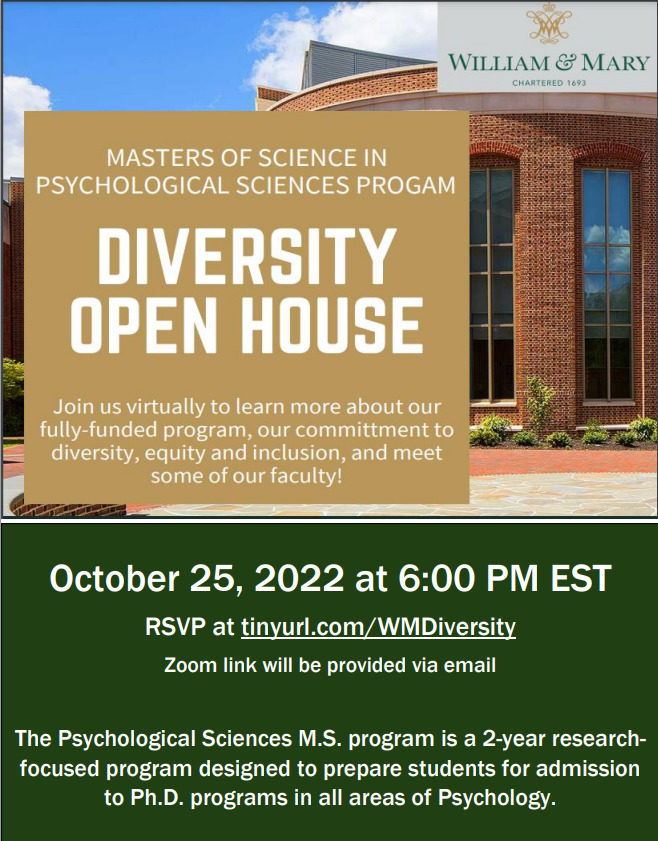
The College of William and Mary will be holding a Diversity Open House for their Masters Program in Psychology over Zoom. The Masters Program in Psychology is a 2-year research-focused program designed to help prepare students for admission to Ph.D programs. All Roanoke psychology students are encouraged to attend to learn more about the program.
The Open House which will be held on October 25th at 6:00pm EST. Click here to RSVP!