
Category: Faculty News

  • Introducing Dr. Michael Love, Psy.D. Enriching Roanoke College’s Psychology Department!

    Roanoke College is thrilled to welcome a new addition to its esteemed Psychology Department, Dr. Michael Love Psy.D. With an impressive academic background, a passion for teaching, and a unique blend of research interests, Dr. Love promises to be a valuable asset to both the faculty and students at Roanoke College.

    Educational Journey

    Dr. Love’s journey in the field of psychology began with his undergraduate studies at Virginia Tech, where he earned his bachelor’s degree in psychology in 2002. He later pursued his Doctorate in Psychology (Psy.D.) in counseling psychology at Radford University, successfully completing his degree in 2015.

    One of the highlights of his academic journey was his dissertation, a longitudinal study on opioid injection rates among rural and urban adolescents and adults. Under the guidance of his advisor, Dr. Tracy Cohn, Dr. Love’s research yielded intriguing results which can be found at https://wagner.radford.edu/id/eprint/229

    Professional Experience

    Dr. Love completed his residency at Virginia Tech’s counseling center from 2015 to 2016, then became a staff psychologist, developing a passion for working with students. During this time, he led Interpersonal Processing-Based Group Therapy and played a pivotal role in establishing a unique therapeutic gaming group. In this innovative program, individuals diagnosed with autism spectrum disorder learned valuable social skills through the popular game, Dungeons and Dragons, focusing on perspective-taking and frustration management.

    His teaching experience, acquired during his time in graduate school at Radford University and later at Boston University, paved the way for his decision to join the Roanoke College faculty. Dr. Love was deeply impressed by the level of student engagement and passion for interactive learning that he encountered on campus, making Roanoke College his preferred choice for nurturing the next generation of psychologists.

    Courses at Roanoke College

    Dr. Love is currently teaching multiple of courses at Roanoke College, including PSYC101 – Introduction to Psychology, PSYC384 – Abnormal Psychology, and INQ120 – Social Media: Influence and Health. His interactive teaching style and commitment to engaging with students promise an enriching educational experience for all who have the privilege of attending his classes.

    Beyond the Classroom

    Outside of his academic pursuits, Dr. Love has a diverse set of interests that reflect his multifaceted personality. He is an avid gardener, an enthusiastic chef, and a talented audio engineer. These passions not only enrich his personal life but also contribute to his holistic approach to psychology and learning.

    While he is not currently accepting research assistants this semester, Dr. Love looks forward to involving students in his research endeavors in 2024. His wide range of research interests holds the promise of exciting opportunities for students eager to explore the world of psychology through hands-on experiences.

    GET CONNECTED!

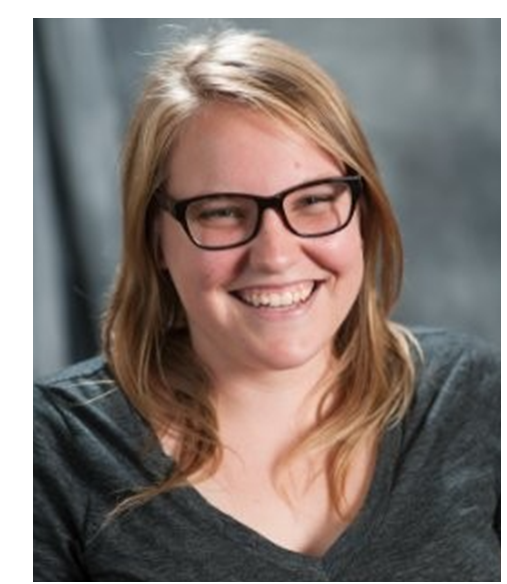
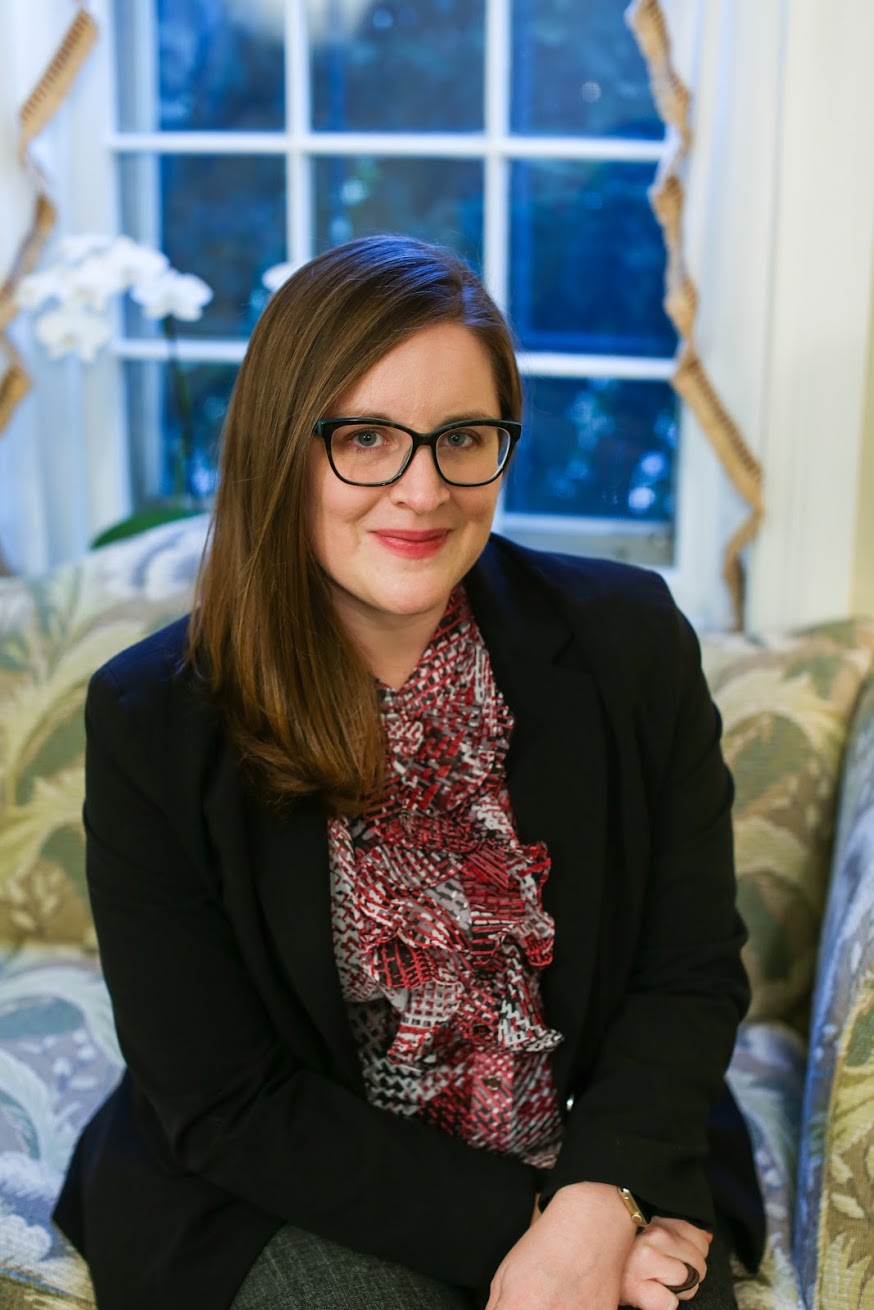
  • Introducing Dr. Wen Bu: A New Addition to Our Psychology Faculty

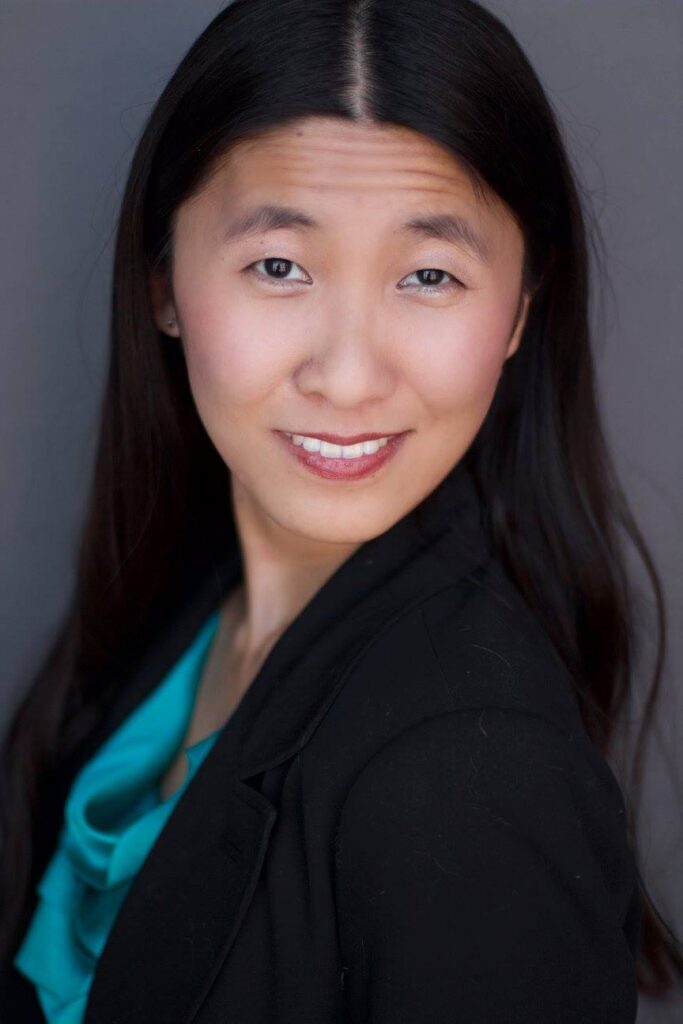
    Dr. Wen Bu

    Roanoke College is proud to welcome Dr. Wen Bu as a new addition to our esteemed psychology faculty! Dr. Bu brings a wealth of experience and expertise to our academic community, making her a valuable asset to both students and colleagues.

    Educational Journey

    Dr. Bu’s academic journey is an impressive one, demonstrating her dedication to knowledge and her commitment to personal growth. She began her undergraduate studies at Furman University in South Carolina, where she pursued a double major in Political Science and Chemistry. This diverse academic background laid the foundation for her multidisciplinary approach to psychology.

    After completing her undergraduate studies, Dr. Bu earned her Law Degree from Harvard in 2008. She gained valuable experience working as a clerk for the Nuclear Regulatory Commission and later the O’Melveney & Myers Law Firm. However, she soon realized that her true passion lie elsewhere.

    Driven by her deep interest in psychology, Dr. Bu decided to pursue a Ph.D. at the University of Minnesota, which she successfully completed in 2021. Her dissertation, guided by dual advisors Dr. Gene Borgida and Dr. Chris Federico, explored the intricate dynamics of racial and person of color identity and solidarity.

    Postdoctoral Research

    Following the completion of her Ph.D., Dr. Bu continued her academic journey with a postdoctoral position at Indiana University. Under the mentorship of Dr. Mary Murphy, she delved into the study of college students’ sense of belonging and the critical role that faculty and institutional mindset play in shaping the student experience.

    Passion for Teaching

    One of the compelling reasons Dr. Bu chose to join the Roanoke College community is her deep passion for teaching. She discovered her love for the classroom during her graduate studies and recognized that Roanoke’s small class sizes would provide her with the opportunity to truly engage with and support her students. Moreover, the proximity of Roanoke College to her hometown in Atlanta, Georgia, made this a perfect fit for her academic journey.

    Diverse Interests

    Beyond her academic pursuits, Dr. Bu is a multifaceted individual with a wide array of hobbies. She enjoys immersing herself in theater, singing in the choir, exploring the world of dungeons and dragons, mastering the art of knitting, and gliding gracefully in the ice skating rink.

    Current Roles and Future Prospects

    Currently, Dr. Bu is sharing her expertise with Roanoke College students by teaching PSYC 251 – Social Psychology and PSYC 204 – Quantitative Methods in Psychology. Her research interests span a wide spectrum, including intergroup relations, social identity, identity threat, stereotypes and prejudice, political psychology, and psychology in law.

    While she is not currently accepting student research assistants, Dr. Bu has plans to engage students in her research endeavors starting in the spring of 2024, providing a valuable opportunity for students to gain hands-on experience in the field.

    Roanoke College is privileged to have Dr. Wen Bu as a valuable member of our psychology faculty. Her diverse academic background, dedication to teaching, and passion for research make her a remarkable addition to our community. We look forward to the contributions she will make to the field of psychology and the positive impact she will have on our students’ academic journeys. Welcome, Dr. Bu!

    GET CONNECTED!

  • Dr. Buchholz Selected for Dean’s Exemplary Service Award 2022-2023

    Congratulations are in order for Dr. Buchholz who received the Roanoke College Dean’s Exemplary Service Award last week.

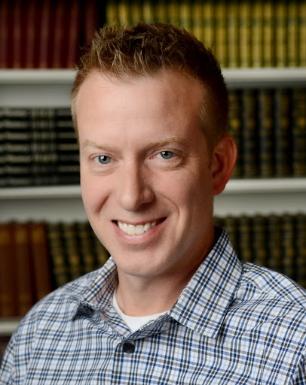
    Dr. Christopher Buchholz

    The annual Dean’s awards are granted based on nominations from the college community and include awards for exemplary teaching professional life, and service.

    “The Dean’s Exemplary Service Award recognizes outstanding faculty service – either at Roanoke College or in the larger community – in ways that advance the mission of the College in seeking to develop students as whole persons and prepare them for lives of purpose and meaning.  Professional service may involve many factors, such as the number, quality, range or focus of service activities; honors or awards received from off-campus organizations; and the time invested relative to the time available for service activities.”

    The announcement from the Dean last week highlighted the incredible dedication Dr. Buchholz shows to the College through service:

    “This year’s Dean’s Exemplary Service Award recipient (…) lives and breathes Roanoke College and models to others [the] pillar of service. He currently serves on —count them–nine different college-wide committees, task forces, and groups, along with being a Faculty Marshal. This doesn’t even count the myriad service opportunities he participates in within his department.” 

    Dr. Powell, Interim Chair of the Psychology Department, stated: “In each of these endeavors, he is thoughtful – considering the needs of the students and the resources of the college; is reliable – if he says he’s going to do it, he does it in an exceptionally timely manner; and is diligent – ensuring all facets are accounted for and completed appropriately.” 

    Another colleague commented: “I have also observed (…) him being a stabilizing agent – consistently working to consider, respect, and understand various perspectives on a range of issues, and modeling such behavior not only to students, but also to junior faculty who are themselves striving to serve students.” 

    The psychology department is proud to have Dr. Buchholz on our faculty. His dedication has impacted countless colleagues and students and we can’t thank him enough. Congratulations, Dr. Buchholz, and thank you for your service to our community!

    Get Connected!

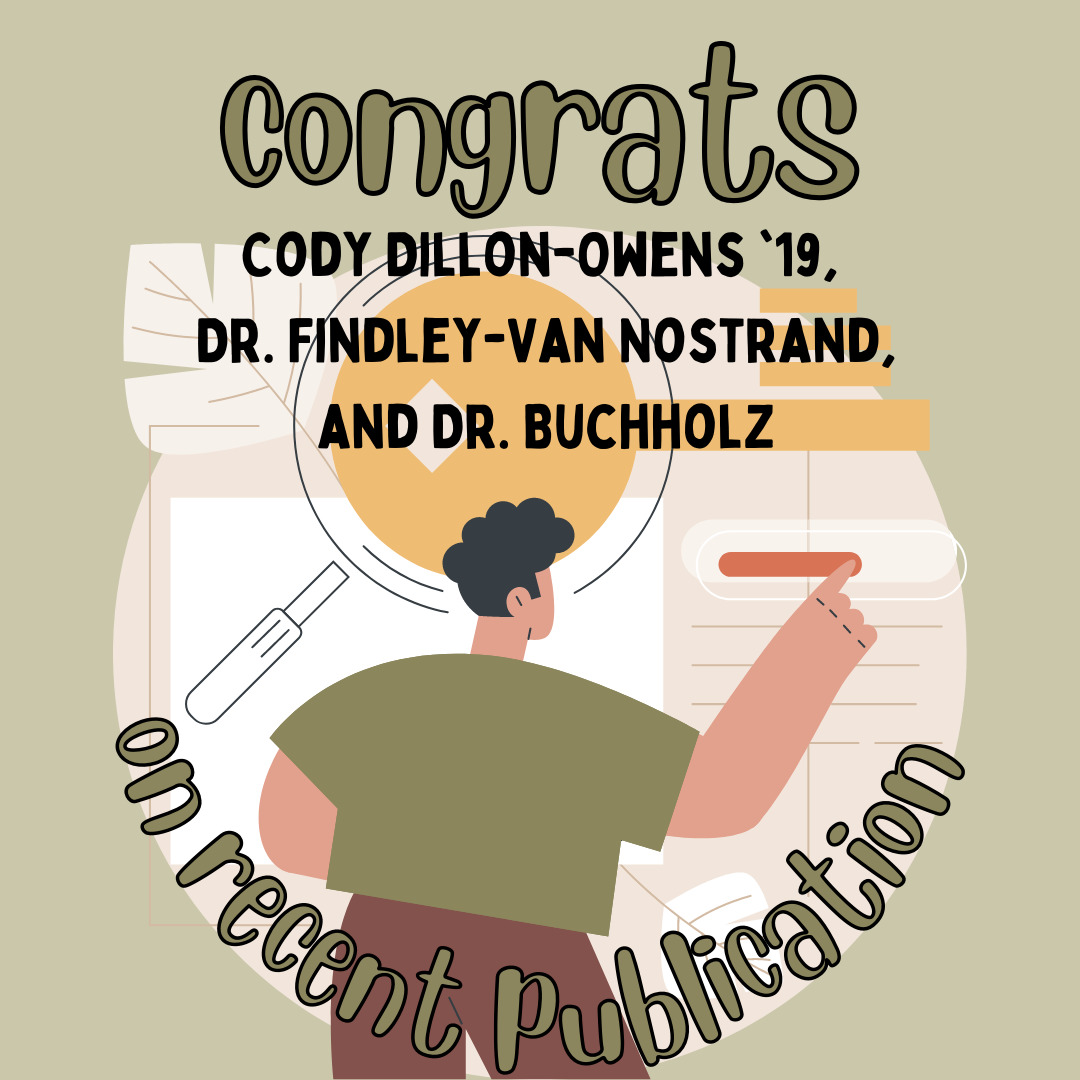
  • Congratulations to Cody Dillon-Owens ’19, Dr. Findley-Van Nostrand, and Dr. Buchholz on recent publication

    Congratulations to Cody Dillon-Owens ’19, Dr. Findley-Van Nostrand, and Dr. Buchholz on recent publication

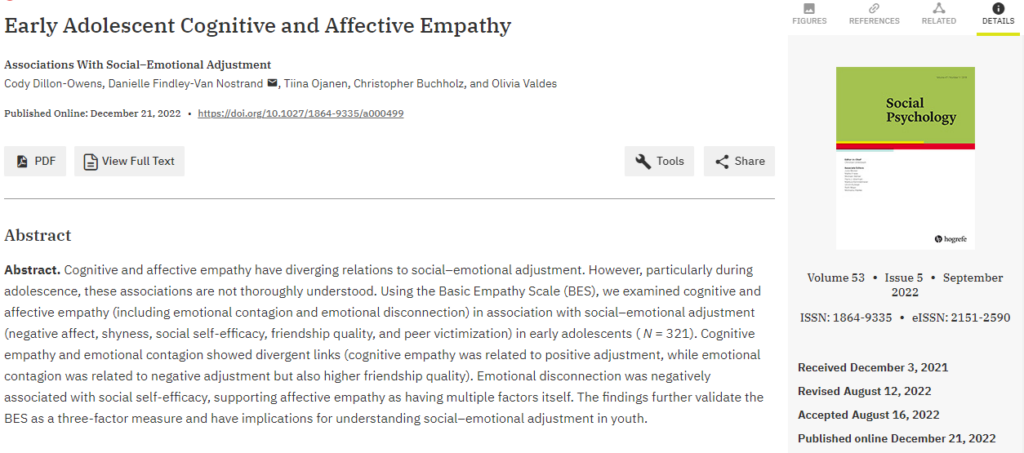
    Alum Cody-Dillon Owens ’19, Dr. Findley-Van Nostrand, and Dr. Buchholz recently had their research published in an article titled Early Adolescent Cognitive and Affective Empathy – you can read the full article here. Congratulations!
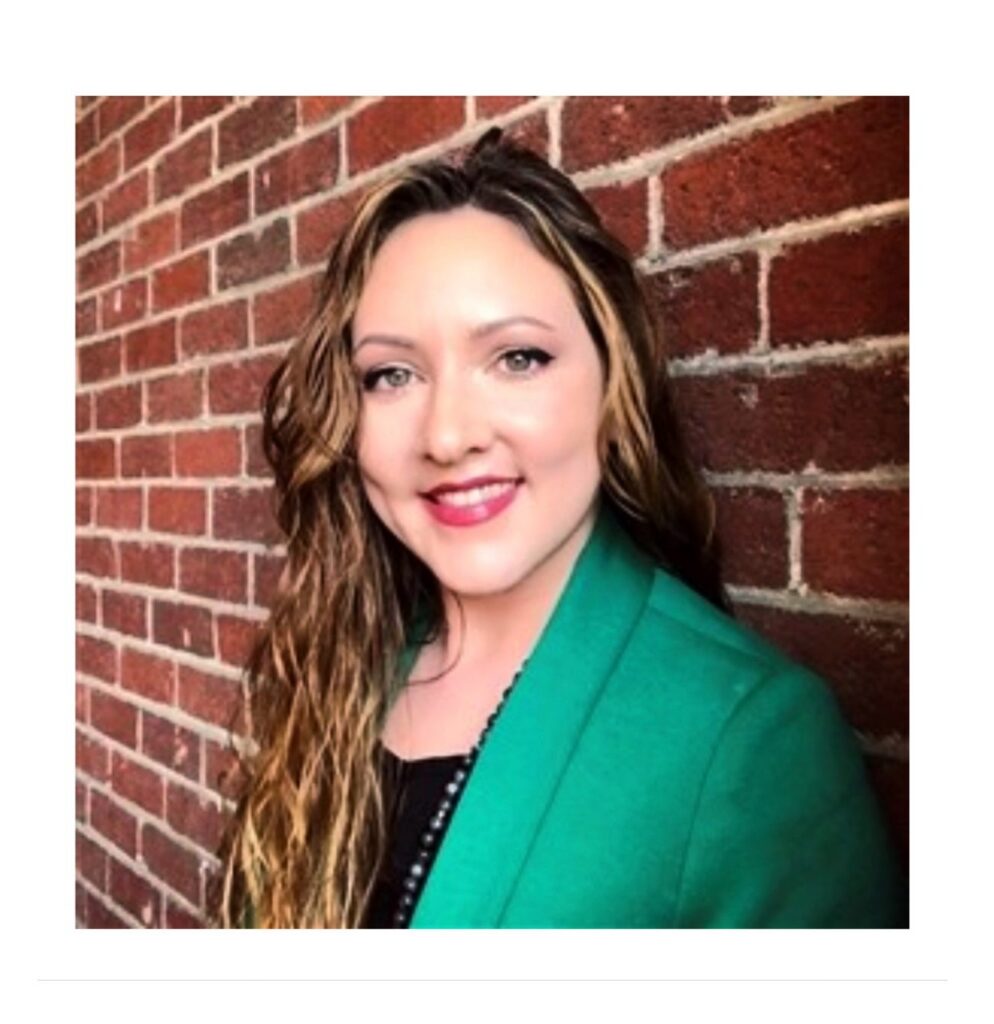
  • Welcome Dr. Kennedy-Metz!

    Dr. Kennedy-Metz

    The psychology department is excited to welcome a new faculty member this year!

    Dr. Lauren Kennedy-Metz graduated from Roanoke College with a B.S. in Psychology, a Creative Writing minor, and a Neuroscience concentration. She then went down the road to Blacksburg where she completed a PhD in Translational Biology, Medicine, and Health with a concentration in Neuroscience at Virginia Tech.

    This year Dr. Kennedy-Metz has returned to her alma mater where she is currently teaching Introduction to Psychology and Cognitive Psychology, as well as serving as the faculty advisor for Psi Chi and RCPA.

    When asked what brought her back to Roanoke, Dr. Kennedy-Metz shared that the Roanoke College Psychology Department was her “ideal scenario” for a work environment. She says the department is “where I learned the most about myself, my interests, my strengths as a student and as a human.” She adds that “it’s where I was afforded the opportunities to thrive through the encouragement of lifelong faculty members.” In addition, this native New-Englander shared that “the Roanoke area has always felt like home.”

    Dr. Kennedy-Metz brings a unique research background to the department. She summarizes her work as follows:

    “My research interests include characterizing psychophysiological indicators of acute stress and developing biofeedback-based approaches to stress management interventions.  Most importantly, I’m interested in taking a tailored approach to both of these things within specific high-stress populations both on campus and beyond (e.g., students, student-athletes, police officers, healthcare workers, kitchen staff, etc.).”

    Dr. Kennedy-Metz says she became interested in this topic because the experience of stress is very relatable, but people are often left in the dark about how to respond to it appropriately. However, properly responding to stress is a critical topic, especially for the populations mentioned above.

    Speaking to current psychology students, Dr. Kennedy-Metz encourages you to “get involved in things that interest them early on.” She recommends exploring research, clubs, club sports, internships, study abroad and anything else that catches your eye. When trying new things, Dr. Kennedy-Metz says, “worst case you learn that it isn’t for you, and you move on!” She closes with this sage advice. “If you push yourself outside of your comfort zone and end up finding a niche you love, you might look back one day and wonder how different things may have been if you hadn’t taken that first step.”

    Be sure to say hi to Dr. Kennedy-Metz when you see her around on the 5th floor of Life Science.

    Welcome back to Roanoke, Dr. Kennedy-Metz!

    Get Connected!

  • congratulations TO Dr. Danielle Findley-Van Nostrand

    Psychology faculty member Dr. Danielle Findley-Van Nostrand has recently had TWO publications. Her recent work is now published in the The Journal of Genetic Psychology and Emerging Adulthood. The psychology department extends our congratulations as we celebrate Dr. FVN’s recent accomplishments. Read about her publications below.

    Image Not Avaliable

    Interpersonal Rejection and Social Motivation in Adolescence: Moderation by Narcissism and Gender

    Abstract: “Research on interpersonal rejection is voluminous, but less is known about perceived rejection in relation to social goals among peers during adolescence, especially while also considering factors that may moderate these associations. In a correlational design, we surveyed a diverse sample of middle school students to examine concurrent (Study 1; N = 269) and short-term longitudinal (Study 2; N = 321) links between rejection and adolescent communal (affiliation, closeness) and agentic (status, influence) goals, and narcissism and gender as moderators in the associations between rejection and social goals. Rejection was negatively related to (Study 1) and predicted decreases in (Study 2) communal goals. Narcissism was positively related to and predicted increases in agentic goals, and moderated the association between rejection and agentic goals (in both studies). One moderated effect of gender was found: perceived rejection predicted decreases in agentic goals for girls, but increases in agentic goals for boys. Our findings mostly align with existing research on interpersonal rejection in youth, and extend this literature by demonstrating that perceived rejection is meaningfully related to changes in trait-like social goals among peers, suggesting it may alter not only situation-specific cognitions, but also globalized goals, or motivations for peer interaction. The findings also call for further research on individual differences in associations between rejection and social goals, along with other outcomes.”


    Popularity According to Emerging Adults: What is it, and How to Acquire it

    Abstract: “Status among peers likely continues to play a role in social functioning and well-being beyond adolescence. This study examined how emerging adults in tertiary education defined popularity, and their beliefs regarding aggressive and prosocial behaviors affording status. The role of status motivation, own status, and gender in these definitions and beliefs were explored. Emerging adults primarily associated popularity with being central, liked, and respected. Gender prototypical features (attractiveness and likeability for women; power and centrality for men) were associated with high popularity. Compared to adolescence, popularity in emerging adulthood was associated more with likeability and less with attractiveness, power, fitting in, or antisocial behavior. Prosocial behavior, openness, extraversion, and dominance were identified as the most important ways to acquire popularity. The findings indicate that popularity is relevant to emerging adults and offer several directions for future research in order to benefit the social well-being of emerging adults in tertiary education.”

    .

    .

    .

    Get Connected!

    Blog: https://psych.pages.roanoke.edu/
    Facebook: https://www.facebook.com/rcpsychology
    Twitter: @RC_Psychology

    Linked In: https://www.linkedin.com/groups/RC-Psychology-8140491/about
    Website: https://www.roanoke.edu/inside/a-z_index/psychology

    Instagram: rcpsychology

  • New Publication Alert: Dr. Powell & Stephanie Gaines

    gold dragon statue during daytime

    Congratulations to Dr. Darcey Powell and alumni Stephanie Gaines (class of 2017) on their recent publication by Psi Chi. The publication is based on one of Gaines’s projects that took place in Dr. Powell’s lab during her time at Roanoke College. More information about the information can be found here, but you can read the abstract below:

    Emerging adulthood is a time of great transition, including but not limited to the commencement of “adult roles” and responsibilities. The present study examined emerging adults’ (EAs’) perceptions of transitional (i.e., cohabitating, marriage, parenting) and gradual (i.e., religious beliefs, political beliefs, managing own health) roles. Participants were recruited from a small liberal arts college (N = 88) and from Amazon’s Mechanical Turk platform (N = 181). They were surveyed on the age at which they anticipated or reported achieving the examined roles and their current self-efficacy for the roles. Female EAs reported intending to or achieving the transitional roles at a significantly later age than female EAs of the late 20th century (ps ≤ .001, ds 0.77–0.95). Additionally, female EAs anticipated role achievement for cohabitating, marriage, parenting, and religious beliefs at later ages than male EAs (ps < .05, gs 0.33–1.33). Moreover, male and female EAs differed in a few role-specific self-efficacies if they had not yet achieved the desired adult role (e.g., marriage, parenting; ps < .05, gs 0.62–0.98), but did not differ if they had already achieved the role. Lastly, the difference between EAs’ age and their role achievement largely did not predict their role-specific self-efficacies. The results provide additional insight into EAs’ expectations and current perceptions of themselves and may be useful to individuals who work regularly with EAs who are apprehensive about the extent to which they are “on time” and “ready” to engage in the examined transitional and gradual roles.

    .

    .

    .

    Get Connected!

    Blog: https://psych.pages.roanoke.edu/
    Facebook: https://www.facebook.com/rcpsychology
    Twitter: @RC_Psychology

    Linked In: https://www.linkedin.com/groups/RC-Psychology-8140491/about
    Website: https://www.roanoke.edu/inside/a-z_index/psychology

    Instagram: rcpsychology

  • Dr. Eyad Naseralla

    Meet Dr. Eyad Naseralla!

    Dr. Naseralla is a first year professor of psychology here at Roanoke College. Dr. Naseralla completed his undergraduate degree at Texas Tech University, and his PhD at St. Louis University. His research investigates perceptions of victims, focusing on victims of sexual violence. When asked about his research, Dr. Naseralla explained, “What I like to do is find things that are common, but also overlooked. Things like reporting. Sexual assault is really underreported, so looking at that and seeing how people respond to that.”

    When discussing his research further, Dr. Naseralla gave us his two key takeaways as a researcher, “The two biggest takeaways as a researcher are not to get too caught up with things, I think that sometimes it is better to keep things moving. The second biggest thing is that it’s super important to be conscientious….Being organized and managing your time well. That is really key to doing the things that you love to do.” 

    Dr. Naseralla is currently teaching two Psych-101 courses, as well as Psych-319: Psychology and Law. When asked what his favorite part of teaching at Roanoke College was so far, Dr. Naseralla responded with, “The fact that the students here are extremely eager. The smaller classes make things feel more personal. It feels like there is more of a relationship there, and students are really eager to learn and participate. I really enjoy that.” 

    We are very excited to have Dr. Naseralla with us at Roanoke College this year!

  • Dr. Andrea Burchfield

    Meet Dr. Andrea Burchfield!
    We are excited for her to join our psychology team this year 🙂

    Dr. Burchfield gives us a little background information about herself when she writes, “I grew up in Northern Virginia before finding my home in the Roanoke Valley. I earned a BS in Psychology from Radford University in 2006, and then worked as an ABA Therapist with the Blue Ridge Autism and Achievement Center before returning to school. I earned a MA (2012) and PhD (2018) in Psychology from George Mason University, where my research focused on the effects of a mindfulness-based program for parents of children with autism.

    I enjoy bringing my clinical experiences into the classroom through sharing relatable stories, exposing students to the practice of mindful meditation, and by using the science of behaviorism to teach course material effectively. My favorite thing about teaching is building relationships with students, and watching them learn and succeed. Therefore, I’m passionate about discovering ways to enhance access to connections, education, and opportunities on campus, particularly for students with disabilities.”

    We are lucky to have her here at Roanoke College!