Month: May 2021

  • CONGRATULATIONS Carolynn Bructo: HONORS DEFENSE!

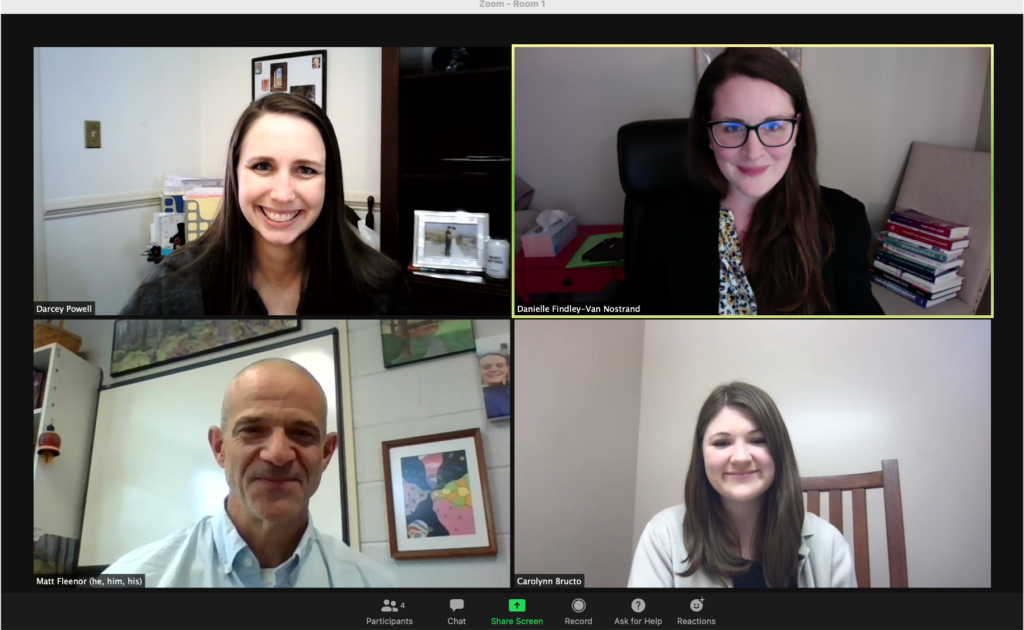
    Carolyn defending her project on zoom before her committee.
    Carolyn defending her project on zoom before her committee.

    Congratulations to Carolynn Bructo ’21 for the successful defense of her Honors in the Major Project! Her project was titled  “STEM Students’ Perceptions of Changes in Motivation and Identity During a Global Pandemic: A Self-Determination Theory Perspective”. Her supervisor, Dr. Danielle Findley-Van Nostrand was joined by committee members, Dr. Darcey Powell and Dr. Matthew Fleenor to oversee her defense.

    Project Abstract:

    Student persistence in STEM (science, technology, engineering, and mathematics) particularly deserves close attention given the alarming attrition rates from such programs. Education and academic achievement are vital pathways to personal and professional success, and the importance of promoting STEM students’ success to enter this field is arguably more evident yet challenging amid a global pandemic. In this study, we aimed to use self-determination theory (SDT), an established theoretical framework in educational psychology that states that individuals’ internal motivation strongly corresponds with the satisfaction of three specific psychological needs (autonomy, competence, and relatedness), to understand better the perceptions of emerging adults’ satisfaction of these needs during an ongoing global pandemic, and how these needs along with science identity relate to intrinsic motivation, achievement, and intention to persist in STEM. We examined STEM students’ satisfaction levels of both general and domain-specific needs using an online survey (N = 60). As hypothesized, students perceived their domain-specific needs of competence, autonomy, and relatedness satisfaction to decrease from pre-pandemic to currently. There was mixed support for other hypotheses. Perceived satisfaction in autonomy, across all measures, was significantly positively related to intrinsic motivation. Students’ perceived satisfaction of competence, autonomy, and relatedness in basic and domain-specific measures were significantly associated with amotivation. Science identity was the most significant predictor of intention to leave STEM. Finally, academic achievement was negatively related to perceived autonomy satisfaction. We hope the results from this study can help us better understand how to promote the success of these students.

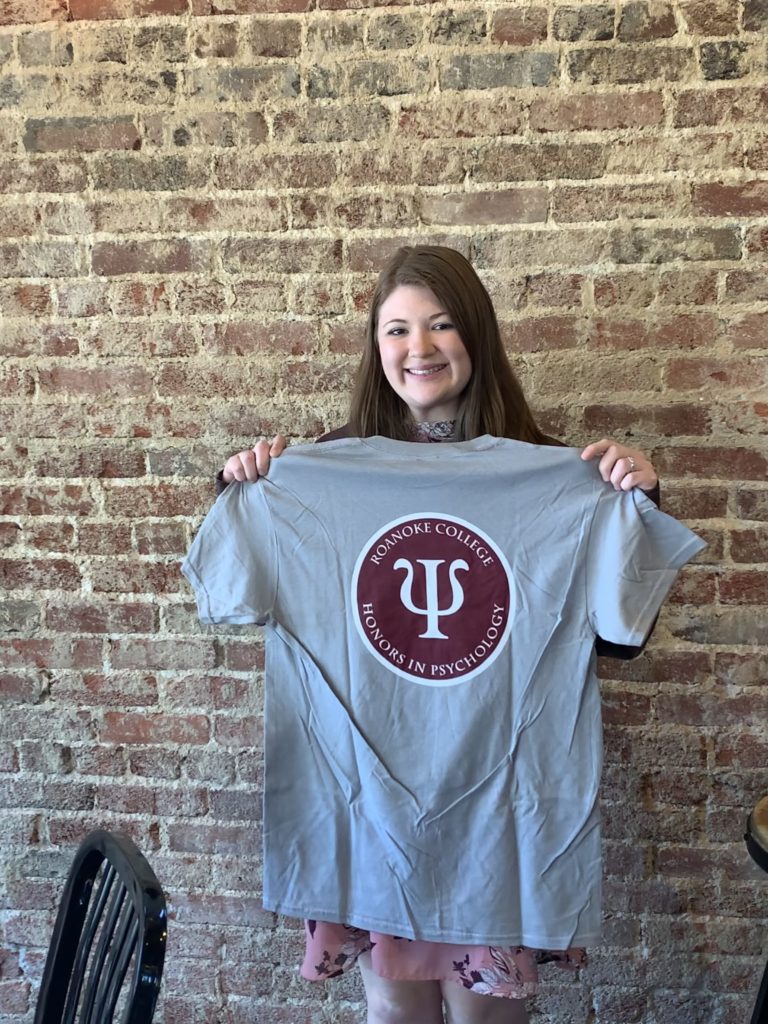
    Bructo’21 with her Honors in the Major t-shirt.

    Congratulations again to Carolynn Bructo on a successful defense and we look forward to seeing all you accomplish in the future!

    .

    .

    .

    Get Connected!

    Blog: https://psych.pages.roanoke.edu/
    Facebook: https://www.facebook.com/rcpsychology
    Twitter: @RC_Psychology

    Linked In: https://www.linkedin.com/groups/RC-Psychology-8140491/about
    Website: https://www.roanoke.edu/inside/a-z_index/psychology

    Instagram: rcpsychology

  • Meditation and Its Effects on Social Understanding

    Carolynn Bructo, Rachel Freshwater, Kaillee Philleo, and Carly Schepacarter (Advisor: Danielle Findley-Van Nostrand)

    Background Information

    We know from previous research that meditation can provide positive outcomes for the individual, such as more prosocial behaviors, but can separate forms of meditation impact our self-reported feelings of compassion, self-compassion, and self-efficacy (Condon et al., 2013)?  We wanted to test this theory with mindfulness meditation that focused on the self, and compassion meditation intended to focus on others. Additionally, a large body of work recognizes the impact of meditation in longitudinal studies but lacks work on more immediate influences of meditation behavior. Through this research, our goal was to address the connection between different types of meditation performed the same day on various self-report scales about understanding the self and reacting to other people. We believed that participants who were asked to perform compassion meditation would report higher levels of compassion than those in the mindfulness meditation and control groups. We also believed that participants who performed mindfulness meditation would report higher levels of self-compassion and self-efficacy than the compassion meditation and control groups.

    Methods

    113 participants were recruited through Roanoke College’s SONA system in the psychology department and received 1 SONA credit for participating in all parts of the study. Participants then completed a survey in which they were randomly assigned into a group to practice compassion meditation, mindfulness meditation, or listen to a set of random facts for a control group. All of these presented as videos with a dark screen and were three minutes long. All participants then completed questionnaires to test their self-efficacy, compassion, state and trait-based self-compassion, and demographics following their interaction with the videos.

    Results and Discussion

    The compassion measure proved to be the only statistically significant result of the research. Participants who completed the mindfulness meditation had higher reported levels of compassion than the control group. This may have been true because the mindfulness video encouraged participants to be aware of how they were feeling in the moment, which could have led participants to feel more benefits of meditation than the compassion meditation video, which encouraged a bit more introspection and thoughts of less positive things. When we feel positive, we feel more likely to give, which could have led to this result. We attribute this to our inability to have face-to-face sessions and for experimenters to monitor the behaviors of participants while they were instructed to engage in the various types of meditation. Our meditation conditions did not seem to have an effect on compassion towards self and self-efficacy. Contrary to our expectations, the compassion meditation condition, specifically, did not have any effect on compassion towards others either. These results could indicate that a brief, isolated exposure may not be enough to see the results of increased compassion towards self and others, and self-efficacy.

    Reflection

    The biggest takeaway is that we likely were unable to find research initially about this topic because there are not strong effects between short-term meditation and social understanding. While instant meditation may quickly reduce stress, compassion (leading to prosocial behaviors) may take time to develop. That being said, our findings were based on a short-term study as well as one specific sample and should be further investigated among larger and more broad sample size. Through this process we learned how to think like researchers, quickly complete a comprehensive literature review, design and carry out a research study, and critically interpret statistical results. We also were able to implement writing strategies and effectively work in a group setting to apply our research knowledge learned throughout the psychology program.  

    Conclusion

    The main finding from our study suggests that college students’ use of a short mindfulness meditation had higher levels of compassion towards others than those in a control group. Those who completed a compassion meditation did not significantly impact their compassion towards others, self-compassion, or self-efficacy.

    References

    Condon, P., Desbordes, G., Miller, W., & DeSteno, D. (2013). Meditation Increases

    Compassionate Responses to Suffering. Psychological Science, 24(10), 2125-2127. Retrieved February 24, 2021, from https://www.jstor.org/stable/24539409

    .

    .

    .

    Get Connected!

    Bloghttps://psych.pages.roanoke.edu/
    Facebookhttps://www.facebook.com/rcpsychology
    Twitter: @RC_Psychology
    Linked In: https://www.linkedin.com/groups/RC-Psychology-8140491/about
    Website: https://www.roanoke.edu/inside/a-z_index/psychology
    Instagram: rcpsychology


  • The impact of social isolation and loneliness on emotion regulation

    Allison Tice, David Casson, Kelsey Markel, and Sydney Brenner (Advisor: Dr. Danielle Findley-Van Nostrand)

    During the middle of a global pandemic, one cannot help but wonder about the implications of social isolation and loneliness on emotion regulation. Emotion regulation is the ability to control one’s emotional expression or outlook on a specific situation. As a group, we are interested in this topic after further investigating prior research that discusses the impact of social isolation and loneliness on emotion regulation strategies. Specifically, we looked at the emotion regulation strategies cognitive reappraisal and expressive suppression. Cognitive reappraisal is the ability to change the way an individual can perceive a situation and change their emotions. Expressive suppression is the change in visible emotional state or the ability to change the way one feels about an emotion. For example, someone who is feeling angry might attempt to disguise their anger and display themselves in a happy or content state. We assessed these two strategies to see if cognitive reappraisal or expressive suppression was more prevalent in individuals. As a group, we were also very interested to see if there were any gender differences between emotional regulation strategies.

    To see any valid relationships between loneliness. social isolation, and emotion regulation, our research team created a survey through software called Qualtrics. In our study, we had 102 total participants who completed the survey. The participants are all Roanoke College students, and many of them are either taking a PSYC-101 or INQ-260 class. The questionnaire consisted of forty-one questions. At the beginning of the survey, we included questions asking about participant’s demographic information and participants’ experiences with COVID-19. The remaining thirty-six questions were taken from three different scales. The University of Los Angeles Loneliness Scale measured participants’ levels of loneliness (Russell, 1996), the Lubben Social Network Scale measured levels of social isolation in participants (“Version of the LSNS”, 2021), and the Emotion Regulation Questionnaire, measured levels of participants’ emotion regulation strategies, specifically expressive suppression and cognitive reappraisal (John & Gross, 2004). Using these evidence-supported scales allowed us to study any possible associations between social isolation, loneliness, and emotional regulation strategies.

    We predicted that with an increase in social isolation and loneliness, one’s ability to regulate their own emotions using either cognitive reappraisal or expressive suppression will be potentially more challenging because difficulties such as feelings of loneliness could be suppressed through expressive suppression which has shown to increase sensitivity regarding the intensity of the emotion exhibited. On the other hand, the negative feelings could also be curbed through cognitive reappraisal which has shown to have benefits associated with positive emotional outcomes as a regulation strategy. We were correct in expecting a higher level of difficulty regulating emotions, as more individuals who had less interaction with family and friends were likely to feel more lonely in general. Expressive suppression is moderately correlated with feelings of loneliness, which indicates that those who experienced the feeling of loneliness were more likely to suppress their emotions. Our hypothesis also suggested that our COVID-19 survey questions would play a role in our results, as well. The analysis of these questions indicates that a negative impact from COVID-19 is associated with higher levels of loneliness. Specifically, regulating emotions can be harder when feelings of loneliness and social isolation are present. Our results also show that the expressive suppression of negative emotions can be utilized to prevent exhibiting negative feelings, even though this method may not be mentally sound or healthy. These findings are important in the sense that it is helpful to understand ways in which social isolation and feelings of loneliness can be exacerbated, but also which strategies and methods can be used to help reduce the severity of negative feelings to more effectively regulate emotions.

    We thought that the results were interesting in the way that there were differences between expressive suppression and cognitive reappraisal based on gender. A limitation to the study would be the ratio of females to males in this study. With a female dominating sample size, we thought it would be interesting to see if there would be any changes in the results if the ratio of the genders were more equal.

    What we hope you, the reader, takes away from our study is that there is a connection between loneliness/social isolation and the ability to regulate one’s emotions. Our analysis of results collected from participants’ answers to the UCLA Loneliness Scale and the Lubben Social Network Scale, shows loneliness is moderately correlated with higher levels of expressive suppression. Furthermore, based on the results from our study, those who feel lonely or isolated are more likely to suppress their emotions. Many individuals have felt the lingering impact of COVID-19. The public recognizes that social isolation is necessary to stop the spread, but this does not dismiss the fact that researchers recognize aspects of COVID-19 will have large implications for individuals, both interpersonally and emotionally. We hope that this study also brings forth further research that explores how individuals can remain connected while decreasing feelings of social isolation and loneliness.

    .

    .

    .

    Get Connected!

    Bloghttps://psych.pages.roanoke.edu/
    Facebookhttps://www.facebook.com/rcpsychology
    Twitter: @RC_Psychology
    Linked In: https://www.linkedin.com/groups/RC-Psychology-8140491/about
    Website: https://www.roanoke.edu/inside/a-z_index/psychology
    Instagram: rcpsychology
  • Social Media, Social Comparisons, the Self, and Relationships

    Destinee Sinclair, Katie Caldwell, Megan Karau, and Brianna Webster (Advisor: Danielle Findley Van-Nostrand)

    Background Information

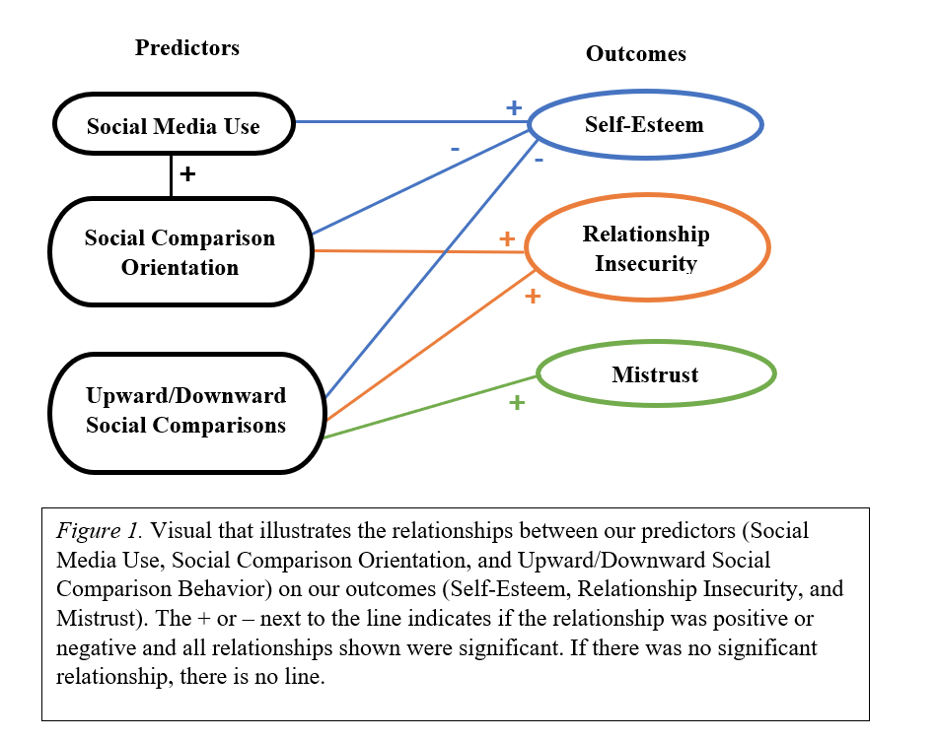
    Social media is generally perceived as a fun activity to pass time, but there is no denying that social comparisons are abundant and practically unavoidable and can have detrimental consequences to the health and well-being of those who internalize them. Our study focused on young adults’ social comparison orientation via social media and its relation to self-esteem and relationship insecurity. Previous research has found that individuals tend to compare themselves more to others on social media when they spend more time on social media and this might have a negative association with self-esteem and subjective well-being (Vogel et al., 2014). Furthermore, research also indicates that social comparison behavior and increased social media use influences our perceptions of relationship quality and satisfaction (Neyer & Voigt, 2004; Yacoub et al., 2018). It was our purpose to explore and establish distinct relationships between social media use and social comparison behavior, self-esteem, relationship insecurity, and mistrust in an effort to further understand the implications that social media and mechanisms related to social media has on our concept of self and our relationships.

    Methods

    For the purpose of our study, we specifically focused on social comparison orientation via social media and its relation to self-esteem and relationship insecurity. We hypothesized that our target population of college students spend significant amounts of time on social media, comparing themselves to others, and therefore negatively impacting their relationship quality and self-concepts. In particular, we expected that engaging in upward social comparisons (evaluating others as above or better than you) would be related to problems. To test this theory and measure social media usage and its relationship with self-esteem and relationship quality, we first recruited participants online to participate in our survey which utilized various measures. Regarding our measures of social media usage, we used a subset pulled from the Media and Technology Usage and Attitudes scale. To measure upward and downward comparisons on social media, we used the Scale for Social Comparison Orientation, and for self-esteem we utilized the Rosenberg Self-Esteem Scale. For the last measure in our study, two subscales from the CAT-Personality Disorder Scales Static Form and a 7 item-measure to measure relationship insecurity and mistrust. 

    Results and Discussion

    We expected social media to have a positive relationship with both social comparison measures and have a negative relationship with self-esteem, relationship insecurity, and mistrust. What we found was not as expected, social media use was only mildly positively associated with social comparison orientation; the relationship between social media use and upward/downward social comparisons was not significant. We also found that social media use was positively related to self-esteem but only when controlling for both social comparison measures, but there were no significant relationships shown between social media use and relationship insecurity or mistrust. Next, we looked for the associations of social comparison orientation and upward/downward social comparisons with self-esteem, relationship insecurity, and mistrust. We hypothesized that social comparison behavior would negatively correlate with self-esteem, relationship insecurity, and mistrust, however, what we found was slightly different.  We found a negative relationship between self-esteem and both social comparison measures that were moderate in strength but found positive associations between both our social comparison measures and relationship insecurity and our mistrust measure. Our results imply that social media use might be directly related to social media orientation, but that there might be another mechanism about social media use that influences self-esteem, relationship insecurity, and mistrust. This indicates that it is not necessarily social media use that directly impacts our self-esteem, relationship insecurity, and mistrust, but rather the activities we are engaging in, like social comparison, on social media that then become harmful to ourselves and our relationships.

    Reflection

    This (almost) semester-long project has taught us a lot about the process of completing and finishing out a study. The process of working with different minds was so interesting and honestly added so much to our project. When deciding what we wanted to do, we really bonded over the topic we chose to study. Social media is something that is really big in all of our lives just as much as relationships and the self. When creating the study itself, the process of finding the right questions and specific scales for our study was a little difficult. When creating a study, you want everything to come across the way that you intended it to. The best part of this process was getting our data back and being able to analyze it.

    References

    Neyer, F. J., & Voigt, D. (2004). Personality and social network effects on romantic relationships: a dyadic approach. European Journal of Personality, 18(4), 279–299. https://doi.org/10.1002/per.519

    Vogel, E. A., Rose, J. P., Roberts, L. R., & Eckles, K. (2014). Social comparison, social media, and self-esteem. Psychology of Popular Media Culture, 3(4), 206–222. https://doi.org/10.1037/ppm0000047

    Yacoub, C., Spoede, J., Cutting, R., & Hawley, D. (2018). The Impact of Social Media on Romantic Relationships. Journal of Education and Social Development, 2(2), 53-58. https://doi.org/10.5281/zenodo.1490763.

    .

    .

    .

    Get Connected!

    Bloghttps://psych.pages.roanoke.edu/
    Facebookhttps://www.facebook.com/rcpsychology
    Twitter: @RC_Psychology
    Linked In: https://www.linkedin.com/groups/RC-Psychology-8140491/about
    Website: https://www.roanoke.edu/inside/a-z_index/psychology
    Instagram: rcpsychology
  • Congratulations Morgan Hamilton: Honors Defense!

    Congratulations to Morgan Hamilton ’21 for the successful defense of her Honors in the Major Project! Her Project was titled “Family Dynamics and Parents’ Perceptions of Adolescent Social Self-Efficacy”. Her project advisor, Dr. Darcey Powell was joined by committee members, Dr. Hilton and Dr. Jackl, to oversee her defense.

    Project Abstract: Throughout adolescence, youth experience increasing autonomy in many aspects of their lives, but especially in social functioning. Previous studies focused on shifts prior to and following adolescence, but less research about the effects of family systems on adolescent-aged children exists. The current study examined how parents’ perceptions of their family’s communication, expressions of affection, reactions to their child’s negative emotions, and their child’s coping is associated with perceptions of their child’s social self-efficacy. Parent participants (N = 146) whose eldest children were between 10 and 15 years old were recruited from English-speaking countries to complete an online survey via Prolific. Analyses revealed associations between affection, family communication, and parents’ perceptions of their reactions to adolescents’ negative emotions. Furthermore, associations between coping, affection, and social self-efficacy were found. Lastly, associations between affection, family communication, reactions to adolescent’s negative emotions, and coping were found with social self-efficacy. Examining the impacts of family dynamics on the child outside of the home adds to the literature about family dynamics and gleans further insight for family therapists about the impact of familial dynamics.

    Hamilton ’21 with her Honors in the Major shirt

    Congratulations again to Morgan Hamilton on a successful defense and we look forward to seeing all you accomplish in the future!

    .

    .

    .

    Get Connected!

    Bloghttps://psych.pages.roanoke.edu/
    Facebookhttps://www.facebook.com/rcpsychology
    Twitter: @RC_Psychology
    Linked In: https://www.linkedin.com/groups/RC-Psychology-8140491/about
    Website: https://www.roanoke.edu/inside/a-z_index/psychology
    Instagram: rcpsychology
  • Summer Internship Opportunity: Camp Starfish

    Looking for ways to get more involved this summer? Or looking to build your resume/CV and experience? Then check out Camp Starfish!

    Camp Starfish fosters the success and growth of children with emotional, behavioral, and learning problems by providing individualized attention as part of structured, nurturing, and fun group programs.

    You may be thinking, well why should I work at Camp Starfish? Working at Camp Starfish

    • Allows for the development of transferable skills in supporting children with emotional, behavioral, and learning troubles
    • Offers the ability to participate in a paid internship to earn course credit and develop professional skills
    • Will receive a salary that includes: room and board, weekly laundry service, paid time off, and a travel stipend for far-traveling staff
    • Offers transportation to/from Boston
    • Will experience networking opportunities with current/past Starfish staff
    • Will receive hands-on training and professional development
    • Offers a chance to work with a diverse group of young people from around the world, and make lifelong friends

    If you are interested in learning more about interning/working at Camp Starfish this summer contact Jessica Eades at (719) 640-9773 or Jessica.eades1257@gmail.com, as well as if you have further questions contact their staffing team at (978) 637-2617 or staffing@campstarfish.org

    Moreover, follow their Instagram @campstarfishstaff and check out their website for more information and to apply today!

    Learn more about completing an internship for credit at Roanoke College by going to our webpage or by contacting Dr. FVN at findley@roanoke.edu

    . 

    . 

    . 

    Get Connected!

    Bloghttps://psych.pages.roanoke.edu/
    Facebookhttps://www.facebook.com/rcpsychology
    Twitter: @RC_Psychology
    Linked In: https://www.linkedin.com/groups/RC-Psychology-8140491/about
    Website: https://www.roanoke.edu/inside/a-z_index/psychology
    Instagram: rcpsychology
  • Senior Highlight: Kira Hunt, Abbie Joseph, David Casson, and Carly Schepacarter!

    Over the next few days, we will be highlighting the Psychology Department graduating seniors! This post will highlight 4 seniors: Kira Hunt, Abbie Joseph, David Casson, and Carly Schepacarter!

    Kira Hunt

    Congratulations to Kira! After graduation, she plans to take a gap year working as a teacher’s assistant while home. Then, she plans on applying to graduate programs in preparation to become a Certified Child Life Specialist. Kira’s favorite memory of the Psychology department was attending the psychology reception for alumni weekend. “It was interesting to hear stories from alumni who had the teachers that I had. It’s also really fun to watch the psychology faculty interact with each other.”

    Abbie Joseph

    Congrats Abbie! After graduation, she will be attending the University of North Carolina at Charlotte for her master’s in Clinical Mental Health Counseling. Abbie’s favorite psych-related memory has been the opportunities to gain research experience and being able to carry out her own research study. She is “very thankful for Dr. Powell and all her patience and guidance!”

    David Casson

    Congratulations to David! His post graduate plans are to move to Easton, MD for the summer, since his folks have purchased a new house there recently. He will be working a job there over the summer and hopefully gaining resume experience while he plans what to do for a graduate school transition in the near future. David’s favorite memory of the Psychology department  was when he took a Drugs and Behavior class with Dr. Allen. “This class was extremely interesting, thought provoking, engaging, and fun all along the way. Learning how varying forms of substances affect different parts of the brain and behavior in unique ways was something I did not think I would learn at Roanoke.”

    Carly Schepacarter

    Congrats Carly! In the fall, Carly will be pursuing her Master’s in Art Therapy degree at George Washington University. She hopes to work part-time in a research lab or human services position as she works toward her degree. Carly’s favorite psych-related memory has been working in Dr. Carter’s research lab for the past 3 years! “Our lab meetings have been the highlight of my week each semester and I always appreciated the support I received from my lab partners and Dr. Carter in my time here.”

    . 

    . 

    . 

    Get Connected!

    Bloghttps://psych.pages.roanoke.edu/
    Facebookhttps://www.facebook.com/rcpsychology
    Twitter: @RC_Psychology
    Linked In: https://www.linkedin.com/groups/RC-Psychology-8140491/about
    Website: https://www.roanoke.edu/inside/a-z_index/psychology
    Instagram: rcpsychology
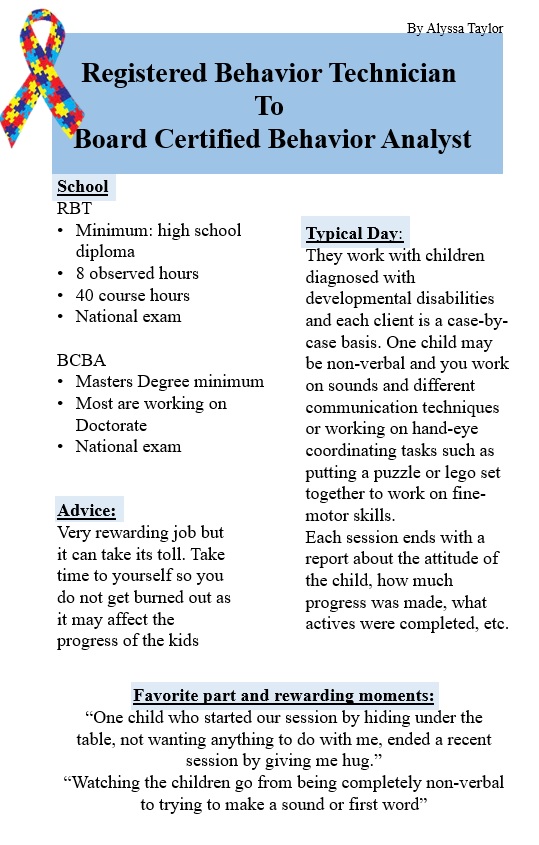
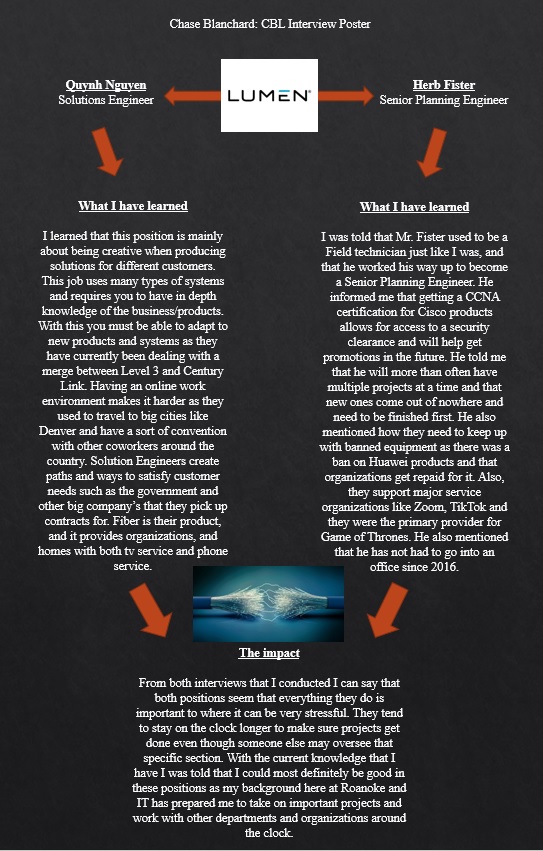
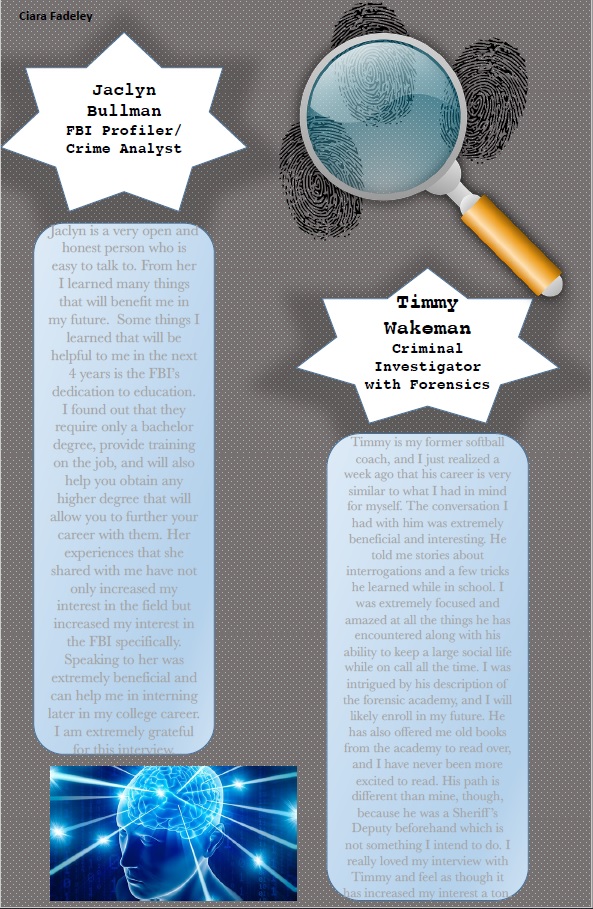
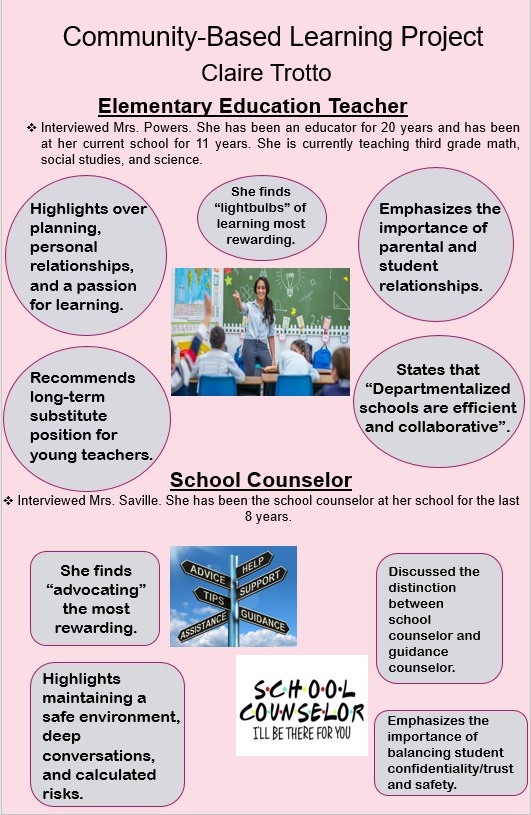
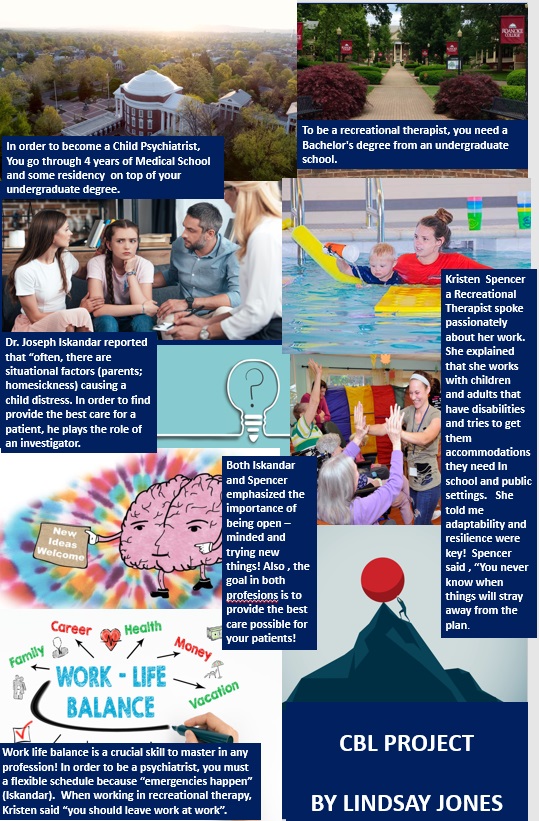
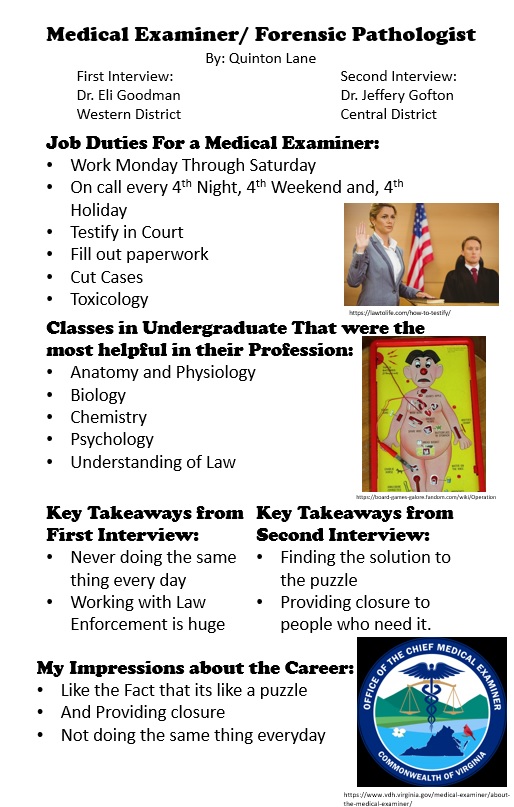
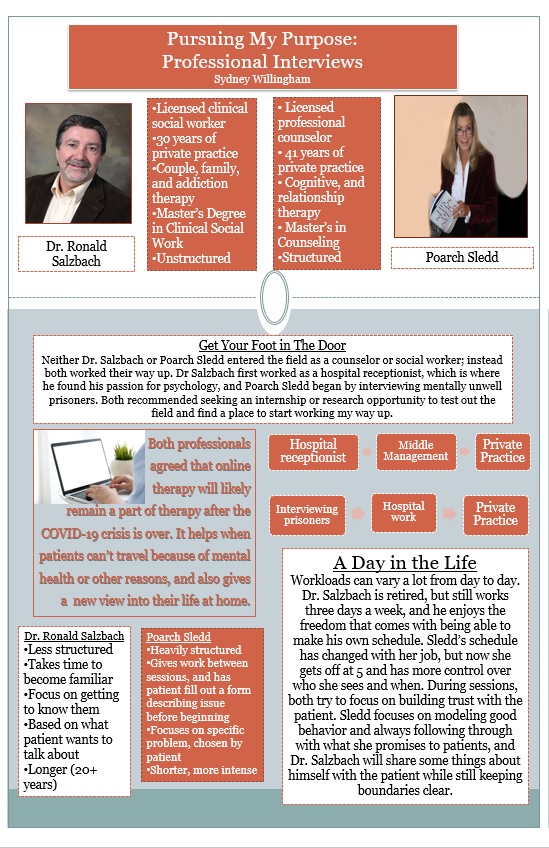
  • How PSYC 110 Students Pursued Their Purpose

    If you are a freshman or sophomore wrapping up this semester thinking, “What am I going to do after I graduate in a few years?” or are wondering, “What should I be doing these next few years to reach my career goals?” then make a note to add PSYC 110 to your Spring 2022 schedule!

    PSYC 110 is a P/F course taught each spring that helps students consider their post-graduation pursuits, as well as clarifies for students the resources available to them within the department and across the college. In a typical (i.e., face-to-face) semester, students also shadow a professional in a career of interest to them. In this semester’s remote format, students complete two informational interviews with professionals in careers of interest to them. After completing the interviews, the students created posters summarizing what they learned.

    Continue reading for some examples of the posters from this semester’s students.

    . 

    . 

    . 

    Get Connected!

    Bloghttps://psych.pages.roanoke.edu/
    Facebookhttps://www.facebook.com/rcpsychology
    Twitter: @RC_Psychology
    Linked In: https://www.linkedin.com/groups/RC-Psychology-8140491/about
    Website: https://www.roanoke.edu/inside/a-z_index/psychology
    Instagram: rcpsychology
  • Paranoia and Attitudes on Covid-19 Health Guidance

    Alise Bennett, Savannah Brown, Emily Gabrielian, & Alyssa Mattson (Advisor: Dr. Chris Buchholz)

    Background

    A little over a year ago, our world was quickly turned upside down once the news broke that we were heading into a global pandemic due to the coronavirus. With the rise of the pandemic, we also saw a rise in beliefs in conspiracy theories related to the coronavirus. COVID-19 skepticism became extremely present across the United States as some people demonstrated that they did not believe in the seriousness of the virus or that the pandemic was a hoax (Latkin et al., 2021). Recent research has demonstrated that COVID-19 skepticism is strongly associated with a decrease in engagement in COVID-19 prevention behaviors, such as isolating at home, social distancing, and wearing a face mask (Latkin et al., 2021).

    Additionally, the research conducted on COVID-19 skepticism noted that the skepticism was associated with political conservation because there was a relationship between the sources of news that individuals consumed, the negative attitudes towards government spending on public health, and believing in conspiracy theories (Latkin et al., 2021). This current study aims to examine the relationship between paranoia levels and compliance in COVID-19 guidelines, such as wearing facial coverings and social distancing, in order to better understand the conspiracy theories surrounding the coronavirus. The possible limitations that may be present throughout this study are that we used a convenience sample from the Roanoke College student population, meaning that our data is not representative of the general population. Additionally, it is possible that when we were analyzing the data that we overlooked certain responses that may have been associated with the objective of the study. Overall, the findings of this study may reveal how paranoia contributes to these greater sociological problems as well as how to effectively address conspiratorial thinking as it affects our daily lives.

    Method

    Participants. 96 participants were sourced from either INQ-260 Psychology or Psychology 101 classes at Roanoke College. The students were notified about the survey through SONA, a subject pool software, and were given credit for completing the survey thoroughly and fully.

    Materials. We used a survey platform called Qualtrics to build and conduct the following survey:

    • Experimental condition: Participants were assigned to one of two conditions: an experimental condition (a short video from John Hopkins University on COVID-19 vaccinations), or a control condition (a short video from Harvard University on mindfulness.)

    Following the video, all participants were directed to the main survey:

    • Paranoia scale: a 10-item scale assessing paranoid tendencies.
    • Dark triad scale (Jonastan and Webster, 2010): a 12-item scale assessing the three dark triad traits, such as narcissism, Machiavellianism, and psychopathy.
    • Covid Compliance scale: an 11-item scale created based on the Health Belief Model assessing compliance with COVID-19 public health guidance. Additional questions included whether participants had previously contacted COVID-19 and their access to protective measures.

    Procedure. The survey was live for a roughly three-week period. The participants were randomly assigned to one of two experimental conditions (videos). After finishing the video, participants will move on to the questionnaire part of the survey. In this section, participants will answer a series of questions ranging from personality and paranoia to questions regarding COVID-19 prevention practices engaged in. At the end of the survey, participants were given the option to redirect to another survey to enter personal information to receive credit. Following the data collection period, data was analyzed and interpreted by our group.

    Results

    A 2 x 2 between-subjects analysis of variance (ANOVA) was conducted to examine the effects of paranoia on compliance with COVID-19 public health guidance. It was predicted that participants who viewed the vaccination video would be more likely to respond positively to questions relating to compliance with COVID-19 guidelines. A second hypothesis suggested that those who score high in paranoia will score low in compliance to COVID-19, given a perceived tendency towards conspiratorial thinking and a resulting mistrust or disbelief in the effectiveness of COVID-19 preventative measures.

    Our results indicated that the experimental condition (watching the John Hopkins University on COVID-19 vaccinations) did not significantly improve compliance with COVID-19 guidelines. As shown in Figure 1, those low in paranoia did show increased compliance with COVID-19 preventative measures; however, this difference was not statistically significant.
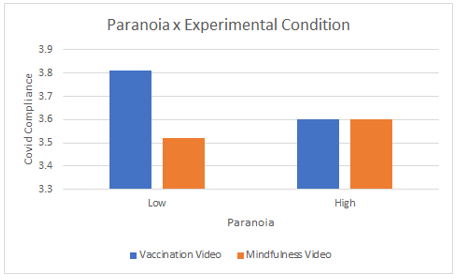
    Figure 1. Experimental condition and paranoia on compliance with COVID-19 public health guidance.

    Between both experimental conditions, narcissism and psychopathy were two dark personality traits found to be significant in compliance with COVID-19 guidelines. Those scoring high in narcissism were most likely to report low compliance with COVID-19 public health guidance (see Figure 2). Similarly, those high in trait psychopathy had much lower compliance with COVID-19 protective measures (see Figure 3).
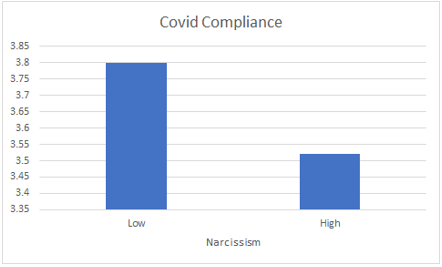
    Figure 2. Experimental condition and paranoia on compliance with COVID-19 public health guidance.
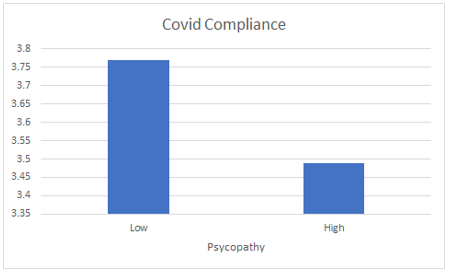
    Figure 3. Psychopathy and paranoia on compliance with COVID-19 public health guidance.

    While our main hypotheses could not be confirmed by this study, our exploratory variables yielded results in line with our predictions. One may attribute our findings to the multiple ways in which paranoia might play out given the context of COVID-19. For example, someone scoring high in paranoia may score low in compliance given a mistrust in these guidelines, or high in compliance given anxiety around contracting the virus. Regarding our experimental conditions, perhaps a short video, regardless of context, is not a “strong enough” stimulus to influence how people would respond to survey questions relating to an event such as COVID-19.

    In contrast, our findings suggest that individuals high in narcissism and psychopathy are more likely to disregard COVID-19 public health guidance, in line with behaviors generally observed from individuals with these traits. In the case of narcissism, a preoccupation with one’s own interests, regardless of the consequences or harm it may cause others, may explain this relationship. A general disregard for others and their safety may characterize this relationship as applied to psychopathy.

    Reflection

    After completing this assignment, as a group, we have a better understanding of research methods overall. While we have participated in other experiments, now we more fully grasp how to design an experiment, clean and analyze data, and write formally for research. Essentially, this class allowed for the hands-on application of the knowledge we learned over our college careers. Additionally, we believe that it may be beneficial if this study was replicated in order to see if our results would be significant or stay the same. It is certainly possible that our participants were only completing our survey for credit in their course, which may have resulted in students not taking the time to provide complete answers to our questions.

    Conclusion

    The main findings of this study indicate that the Roanoke College students that participated in the survey demonstrated that paranoia had an effect on compliance to COVID-19 guidelines; however, this finding was not significant. Additional findings indicate that the relationship between both experimental conditions and the two dark personalities (narcissism and psychopathy) and compliance to COVID-19 guidelines was found to be significant. Moving forward, academic institutions may be interested in expanding upon this study in order to further understand the association between beliefs in conspiracy theories about COVID-19 and paranoia in order to see if there is a significant relationship. Additionally, it would be very interesting if academic institutions also conducted future studies on the association between narcissism and psychopathy and beliefs in conspiracy theories about COVID-19.

    References

    Latkin, C. A., Dayton, L., Moran, M., Strickland, J. C., & Collins, K. (2021). Behavioral and psychosocial factors associated with COVID-19 skepticism in the United States. Current Psychology, 1-9. doi: 10.1007/s12144-020-01211-3.

  • The Effects of Music Genres on Aggression

    Luke Harbison, MaryDrew Collier, Hunter Andrews,  and                    Alice Chandler (Advisor: Dr. Buchholz)

    Background Information

    Why are people inclined to form mosh pits at heavy music concerts (Thrash, Death Metal etc.) but wouldn’t at something like a Barry Manilow concert? Do various genres have respectively different effects on human emotions and behavior?  Prior research studies have investigated these questions with findings supporting the supposed answer. Some studies show heavier music made subjects more likely to report negative feelings while other studies demonstrated that songs with negative lyrical content can make people report a higher frequency of aggression (Shafron & Karno, 2013; Anderson & Carnagey, 2003). In this study, we predicted the conditions of aggressive music (Drowning Pool-Bodies) or soft music (Claude DeBussy-Clair De Lune) would produce different results of aggression levels, specifically a greater level when listening to aggressive music compared to soft and no music conditions. Our study specifically focused on state aggression rather than trait aggression, while also taking gender differences into account (male, female) to look for possible interactions. The key aspect of this study revolves around examining participant’s current aggression levels.  By examining the participants’ current levels, we should gather results on the immediate effect music has on a person.

    Methods

    Our study was conducted entirely online. We created a survey on the website Qualtrics and received our participant pool by providing class credit for people in introductory-level psychology courses through a website called SONA. The survey respondents listened to one of three music clips: clip 1 being no music, clip 2 being Clair De Lune by Claude DeBussy, a representation of soft music, and clip 3 being Bodies by Drowning Pool, a representation of aggressive music. Respondents then answered questions related to their current emotional state, particularly how aggressive they felt. Results were put into a Jamovi where it was analyzed. In addition, we also asked respondents to tell us their gender (male and female) so we could look for possible interactions. We had two other gender selections (prefer not to say, non-binary) but they were not used in the analysis.

    Results and Discussion

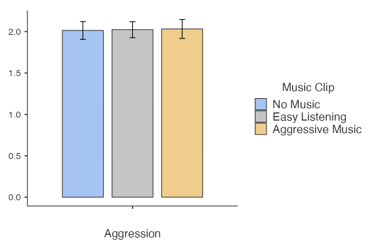
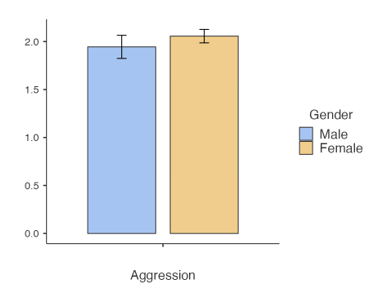
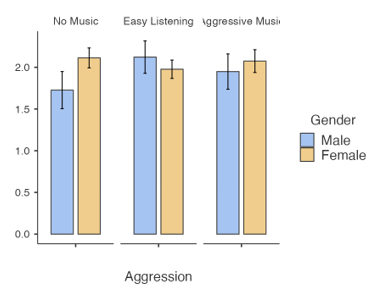
    In order to evaluate the effects of gender and music genres on aggression, a 2 (male/female) x 3 (no music, easy listening, and aggressive music) between-subjects analysis of variance was conducted. There were 15 questions related to aggression and 5 related to negative feelings in general. Our analysis found that there was no difference in aggression level across the three groups. We did find a difference between men and women but it was not found to be significantly different. Additionally, we found no interaction between the main groups.

    We anticipated that there would be significant findings, but our results show the likelihood of no change in aggression level being present.  However, other potential factors are present including the music clips being too short or respondents not paying attention and rushing through the survey. Although females reported higher levels of aggression, this could be affected by other factors that weren’t accounted for. While we did not have any significant findings, this information could benefit future researchers who want to examine aggression and its relationship to music. If this study were to be conducted in the future, we could potentially lengthen music clips and control the setting of where the survey is being taken at. Ultimately, we found no strong evidence that aggressive music poses a difference in state aggression in comparison to no music and soft music.

    Figure 1. The effects of music genres on aggression.

    Figure 2. The effects of gender on aggression.

    Figure 3. The interaction between gender and music genres.

    Reflection

    Based on this study’s findings, we can conclude that our hypothesis was not supported. In examining the possible reasons for this, we determined there are multiple possibilities. The phenomena of mosh pits may be related to other factors such as drinking and the influence of people being around other people who are all in a highly stimulating environment. Additionally, our study had flaws that could result in missing the real effect that could be present. Our findings do not firmly guarantee that no effect occurs, conducting a different study could potentially identify it. Another important piece of information that we learned was how complex the process of creating a study, getting the study approved, gathering respondents, and compiling data all truly was. Going forward, researchers in the fields of musicology and the behavioral sciences may be able to use our research to examine the phenomena of music genres on behavior even further than us.

    References

    Anderson C.A., Carnagey N.L. (2003). Exposure to Violent Media: The effects of songs with violent lyrics on aggressive thoughts and feelings. Journal of Personality and social Psychology, 84(5), 960-71. doi: 10.1037/0022-3514.84.5.960

    Shafron, G.R., & Karno, M.P. (2013). Heavy metal music and emotional dysphoria among listeners. Psychology of Popular Media Culture, 2(2), 74-85. doi: 10.1037/a0031722.