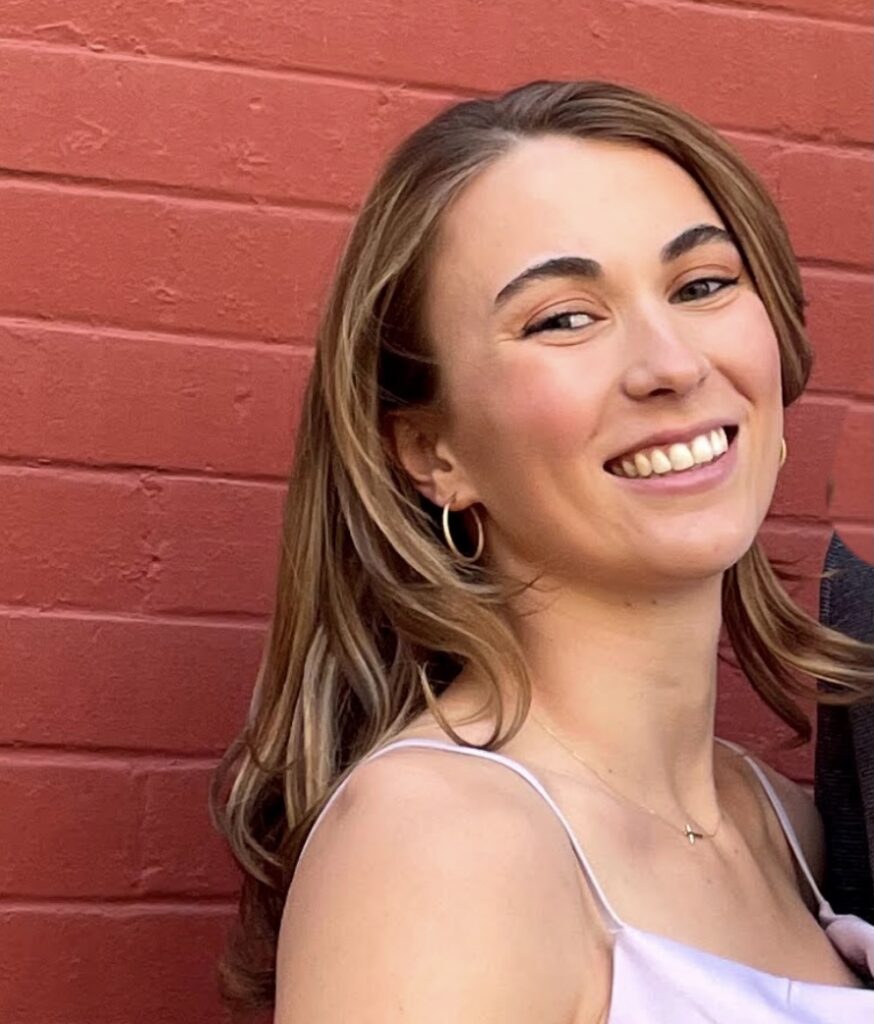
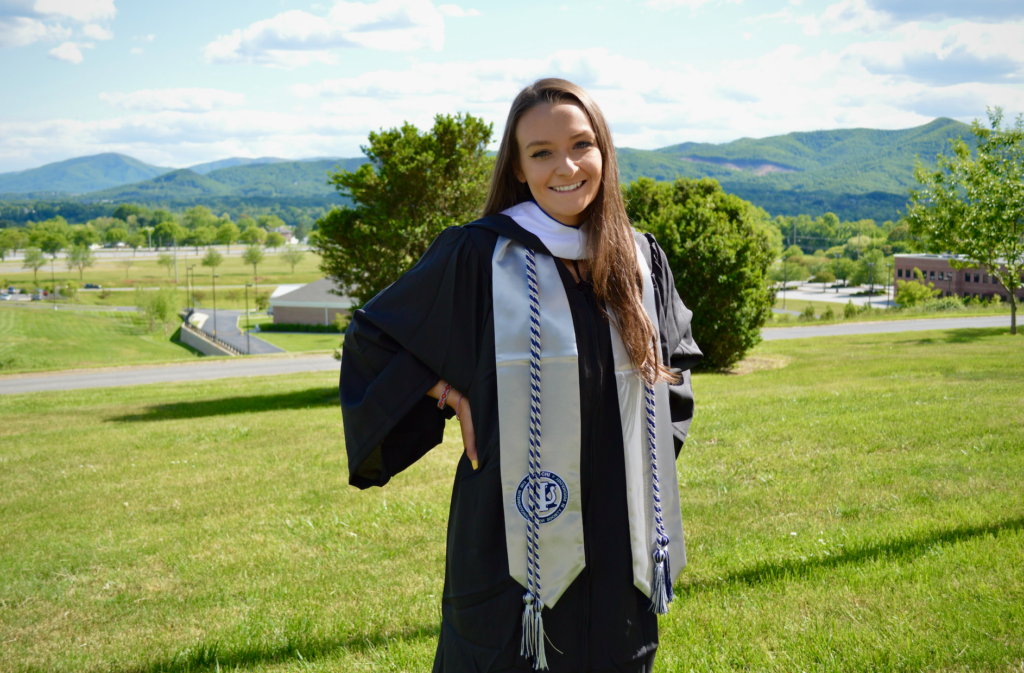
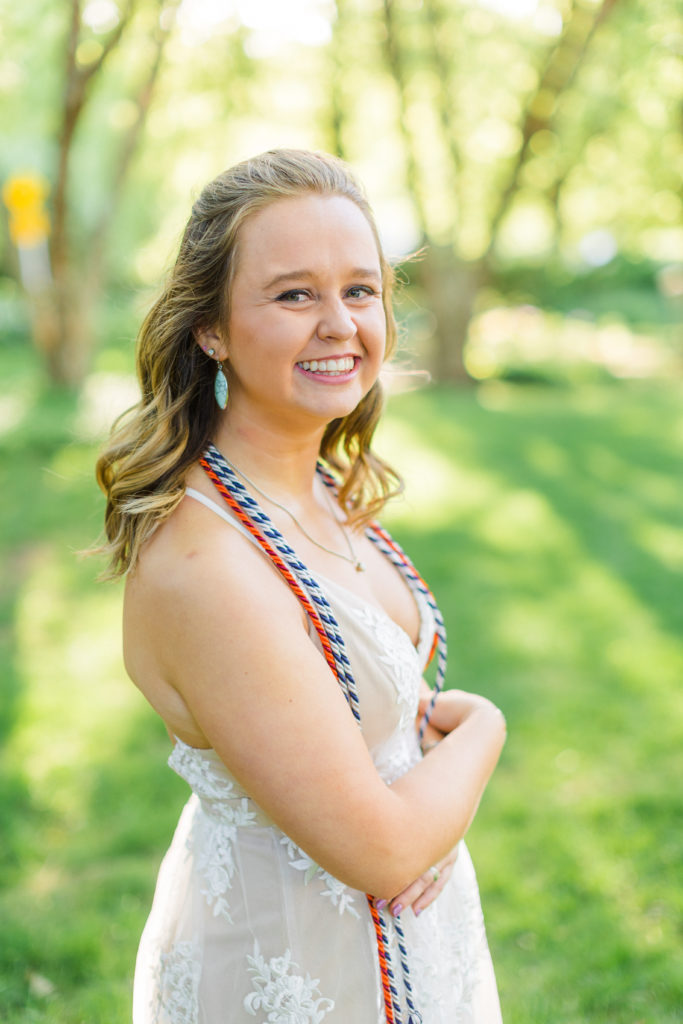
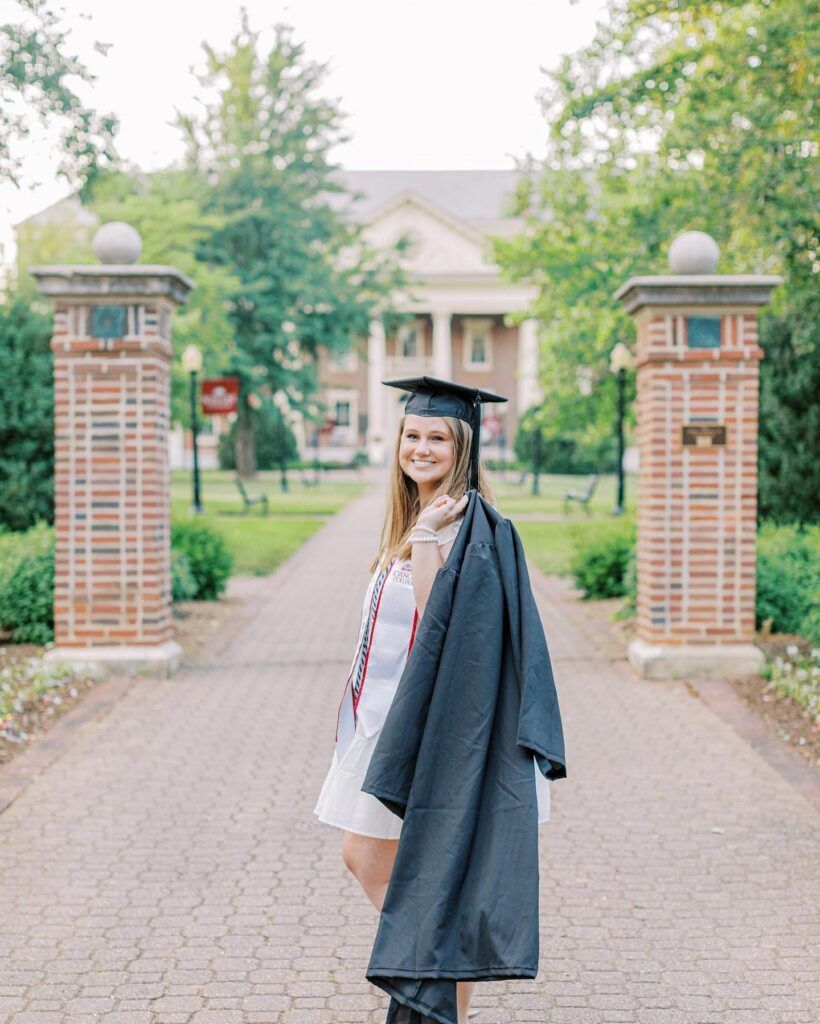
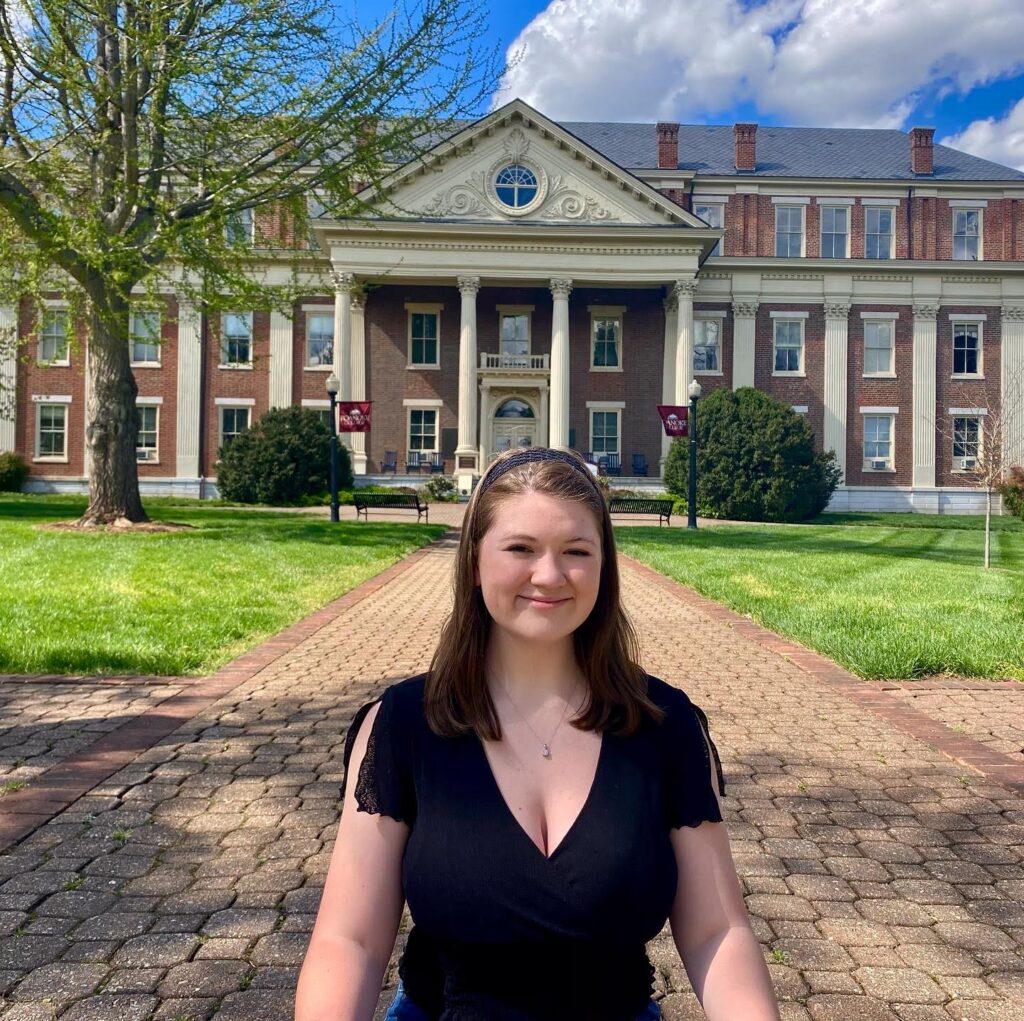
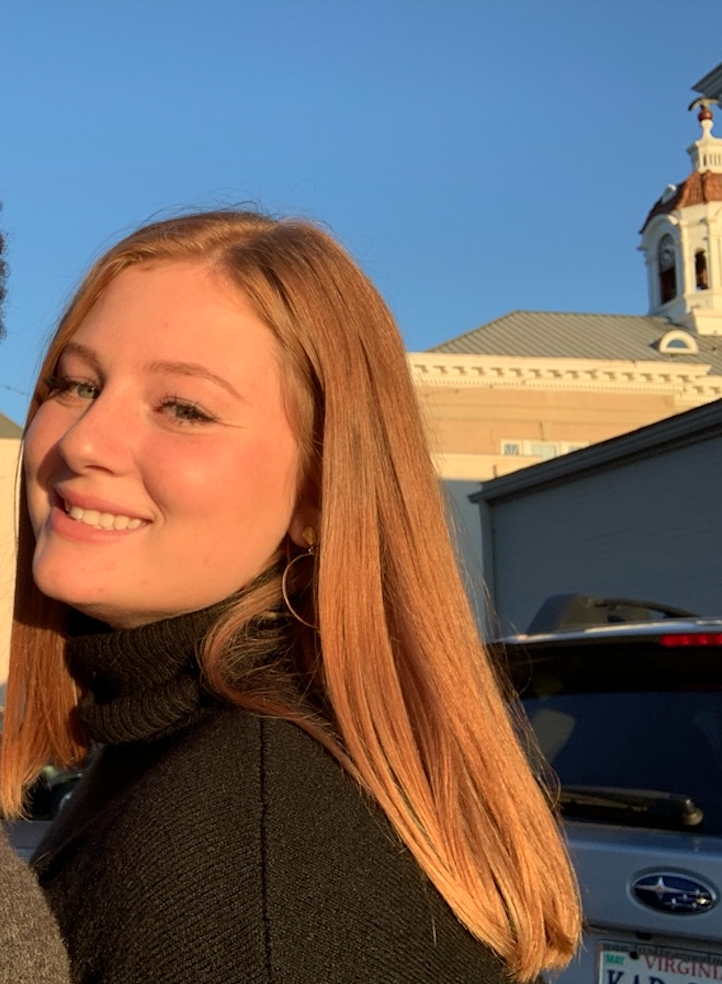
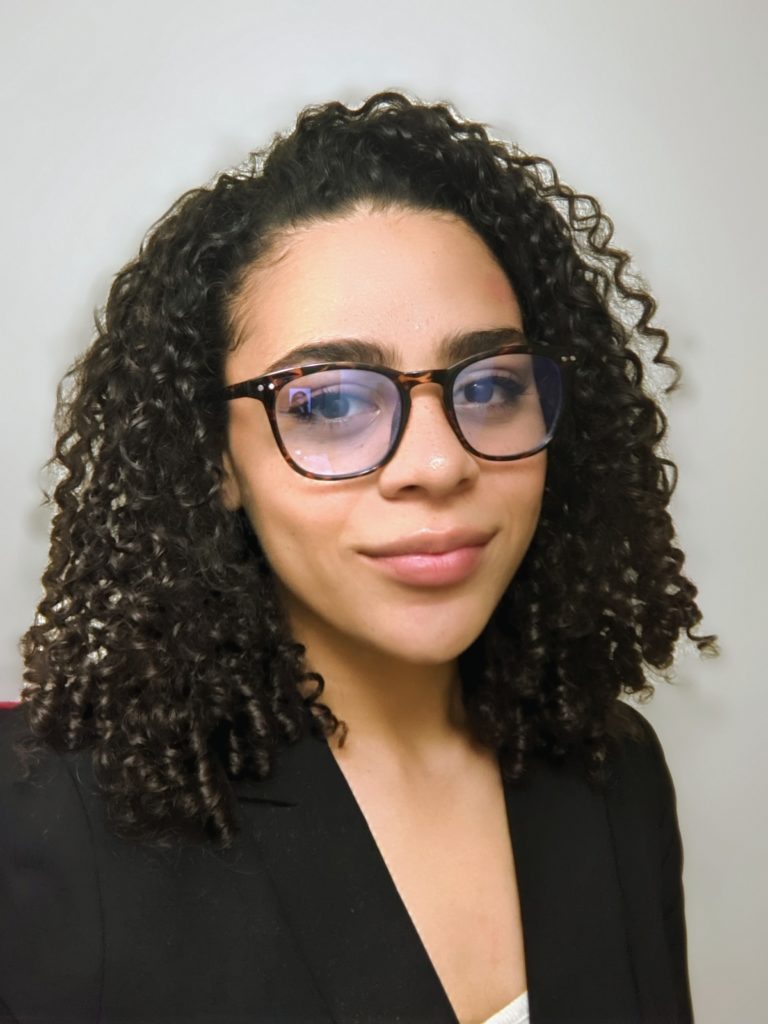
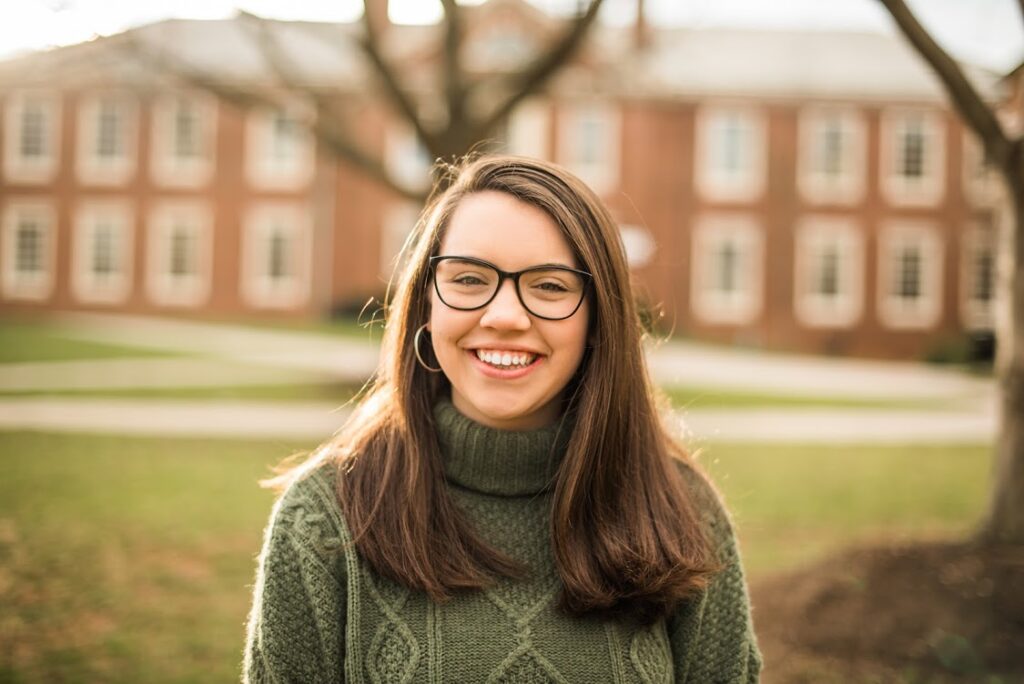
Over the next few days, we will be highlighting the Psychology Department graduating seniors! This post will highlight 5 seniors: Maggie Lewis, Lauren Powell, Destinee Sinclair, Mason Wheeler, and Allison Tice.
Maggie Lewis
Maggie will be working full time as a Recovery Advocate at an inpatient psychiatric facility in my home state.
Maggies favorite memory was completing mock clinical assessments in Dr. Hilton’s Clinical Psych course.
Lauren Powell
After graduation, Lauren is continuing her education at the University of Lynchburg where she will obtain her M.Ed. in Clinical Mental Health Counseling!
Laurens states: “My favorite memory of the psychology department is doing research with Dr. Buchholz over the course of four years as a part of the research fellows program!”
Destinee Sinclair
Destinee will be attending East Carolina University pursuing a Master’s degree in Industrial-Organizational Psychology.
Mason Wheeler
Mason plans to pursue her PhD at Virginia Tech’s Fralin Biomedical Research Institute, studying Translational Biology, Medicine, and Health.
Allison Tice
Allison will be attending Virginia Tech (Roanoke Higher-Ed Center) to receive her Masters of Arts in Counselor Education. She plans to then potentially pursue a PhD and hopefully open her own counseling practice.
When asked about her favorite memory she stated “I love pie-a-prof! Always such a fun event!”
Over the next few days, we will be highlighting the Psychology Department graduating seniors! This post will highlight 5 seniors: Carolynn Bructo, Katherine Caldwell, Alyssa Mattson, Grace Page, and Vanessa Pearson.
Carolynn Bructo
Carolynn plans to go back home to Columbus, Ohio, where she will take a gap year and then apply to Ohio State’s School Psychology program.
Katherine Caldwell
Katherine plans on working until going to graduate school to get her masters. She plans to become a marriage and family counselor in the future.
Alyssa Mattson
Alyssa will be taking an IL course as she resumes her LSAT studies and completes her research practicum. She plans to apply to law schools and resume her job search following her move to Washington, D.C.
Grace Page
Grace will be a part of Liberty University’s Marriage and Family Counseling Master’s program while also working full-time for a local non-profit organization.
Vanessa Pearson
After graduation, Vanessa will be teaching elementary school in Franklin County and will soon start a graduate school program on school counseling.
Vanessa states: “My favorite psychology related memory is from Dr. FVN’s introduction to psychology class. During the lesson on conformity. We started the class standing up in order to see if anyone would come in late and see if they would sit down or stand up just because everyone else was. It was a fun activity to begin the lesson.”
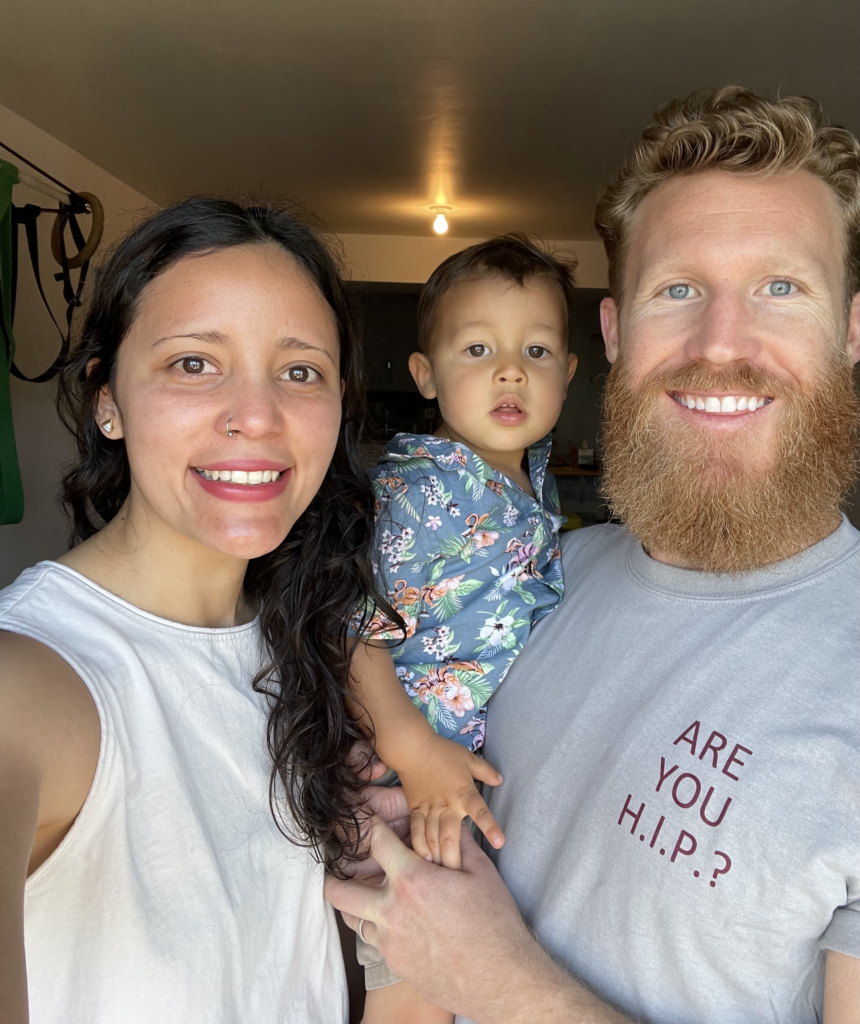
Kingery ’21 with his family while rocking his H.I.P (honors in psychology) shirt!
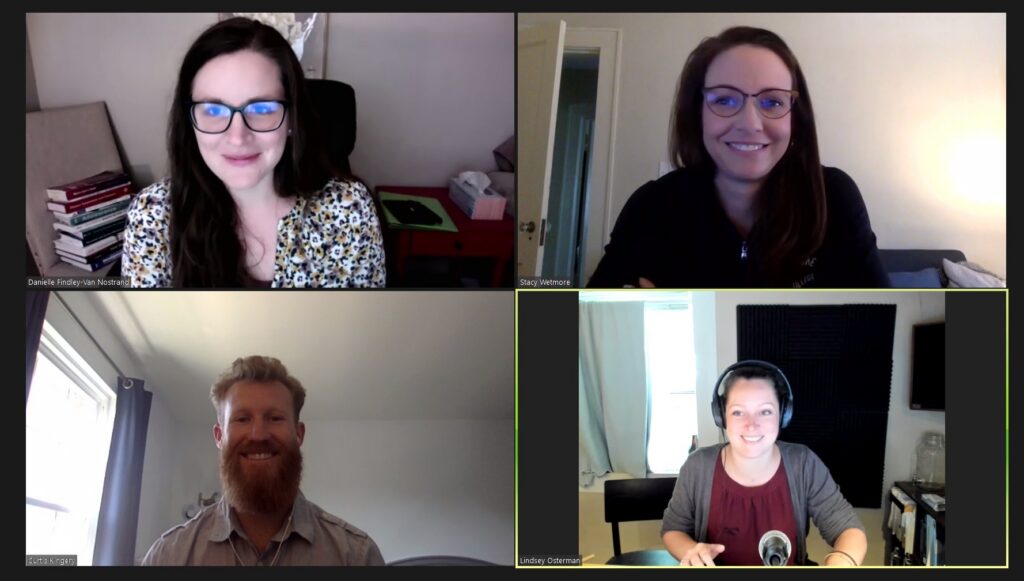
Congratulations to Curt Kingery ’21 for the successful defense of his Honors in the Major Project entitled “Tradeoffs In Designing Ideal Leaders: Does Political Ideology Predict Preferences for Dominant and Prestigious Leaders?” His supervisor, Dr. Lindsey Osterman was joined by committee members, Dr. Danielle Findley Van-Nostrand and Dr. Stacy Wetmore to oversee his defense.
Kingery ’21 and his committee members on his Zoom defense
Project Abstract:
Politicians rise to positions of significant influence through different displays of leadership behavior. Two distinct patterns for climbing social hierarchies, and obtaining leadership roles, have emerged from recent research: dominance-oriented and prestige-oriented strategies. These represent profoundly different navigation tactics that accomplish a singular goal, which is to ascend status hierarchies. Which strategy most effectively gains status depends heavily on contextual factors (such as environmental instability and perceptions of intergroup conflict) and the characteristics and needs of followers. Political candidates’ abilities to display cues consistent with one of these orientations, in the appropriate contexts, will impact perceptions of them by potential supporters who are critical to their political success. Evolutionary and social psychological research suggest followership evolved as a strategy to overcome multifarious cooperation and coordination problems from social group-living. Hence, left-leaning or right-leaning political followers’ preconceptions about the world may predispose them to defer status to qualitatively different leaders. In Study 1, we investigated whether or not political orientation reliably predicted a preference for traits associated with dominance or prestige-oriented leader. Participants designed ideal leaders, purchasing various characteristics with 3 different budgets. The different budgets unveiled trade-offs made under constraints. In Study 2, we replicated findings from the first study, and extended the understanding of circumstantial triggers for different leader orientations by assessing the role of—self-perceived—socioeconomic (in)security and pathogenic vulnerability on revealed preferences for an ideal leader.
Congratulations again to Curt Kingery ’21 on a successful defense and we look forward to seeing all you accomplish in the future!
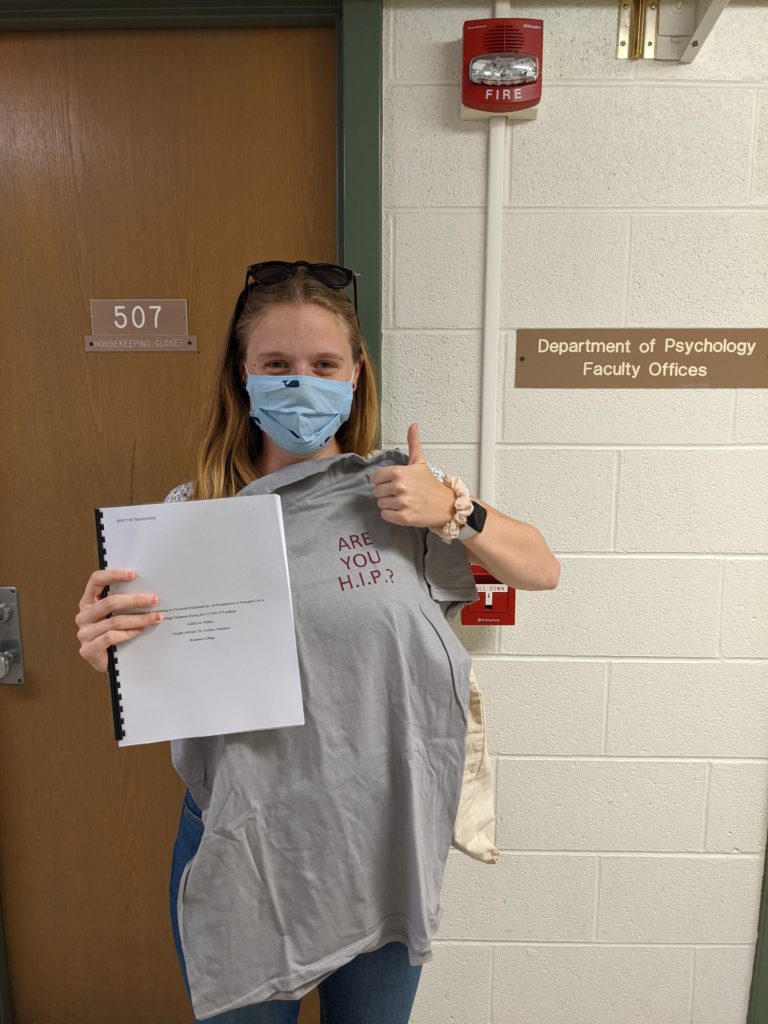
Philleo ’21 with her H.I.P (honors in psychology) shirt and bound copy of her final paper!
Congratulations to Kaillee Philleo ’21 for the successful defense of her Honors in the Major Project entitled “The Effect of Transitions on Parasocial Relationships: An Examination of Surrogate Use in College Freshmen During the COVID-19 Pandemic”. Her supervisor, Dr. Lindsey Osterman was joined by committee members, Dr. Todd Peppers and Dr. Stacy Wetmore to oversee her defense.
Project Abstract:
During the COVID-19 pandemic and with the increasing amount of time people spend interacting with media figures through online or broadcast platforms, an interest in examining parasocial relationships has become more popular. Specifically, little research has been conducted on parasocial relationships and their role during a period of transition. For that reason, this study set out to examine the role of surrogates within first-year college students. Specifically, we were interested in examining what interactions existed between engagement in activities (e.g., parasocial, social, and nonsocial), campus connectedness, loneliness, and closeness. While focusing on first-year college students, we also took into consideration the current pandemic and the state of the college during the time of this study. Results echoed previous research findings in that loneliness was found to be correlated with parasocial interactions. Moreover, we found partial support for our hypotheses through the findings that (1) loneliness mediated relationships between campus connectedness and parasocial and social activities, as well as (2) social activities mediated the relationship between campus connectedness and loneliness. Moreover, even though our moderation analyses did not result in significant main interactions, parasocial surrogate use was suggested within our data set. While some clear limitations were present within this study, we offered ways in which future research could continue to examine these variables.
Congratulations again to Kaillee Philleo ’21 on a successful defense and we look forward to seeing all you accomplish in the future!
Congratulations to the Class of 2021! With graduation being less than 24 hours away, we want to invite, family, friends, community members, faculty, staff, alum and anyone else to join us in celebrating our 2021 Psychology Department graduates.
Using this link you may record a video, upload an image, leave a message or select some options for gifts to share with our 2021 graduates.
As a member of the class of 2021, I speak on behalf of all other 2021 graduates in thanking the entire psychology department for guiding us and being there for us these past four years. We certainly would not have gotten to where we are today without you all and thank each of you for all of your support throughout these last four years.
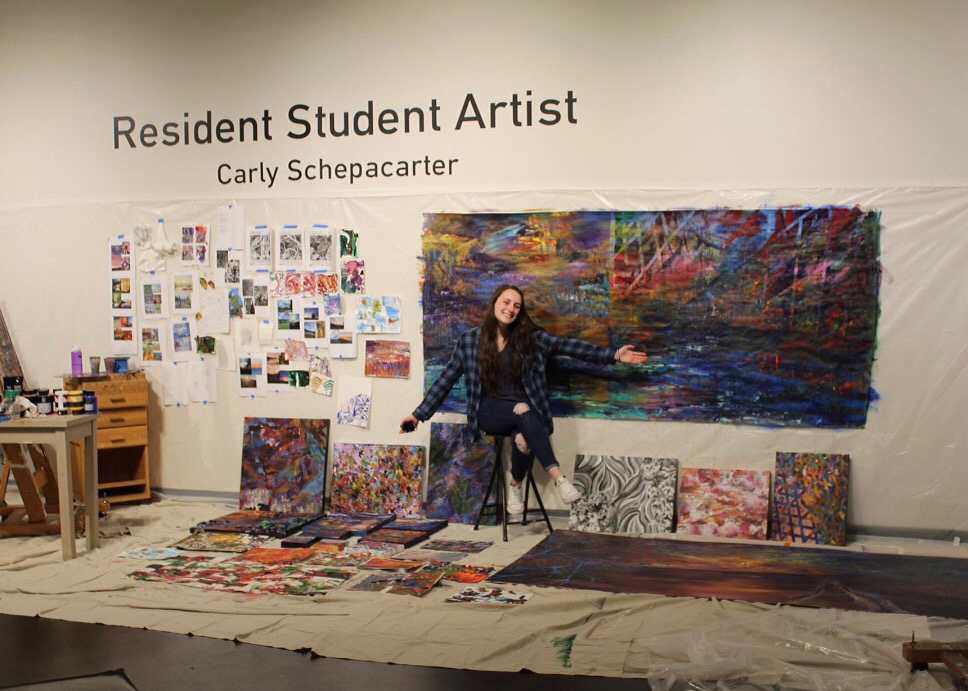
Schepacarter ’21 with the art she produced for this project and later donated to HopeTree Family Services
Congratulations to Carly Schepacarter ’21 for the successful defense of her Honors in the Major and Honors Distinction Project entitled “Art for Healing: Experiencing Art Improves Emotion after a Negative Event”. Her supervisor, Dr. Travis Carter was joined by committee members, Ms. Katherine Shortridge, Dr. Darcey Powell, and Mr. Wes Brusseauto to oversee her defense.
Schepacarter ’21 with her art in Olin Galleries
Project Abstract:
Existing research suggests that making art has benefits for mental health, but can other interactions with art still help people (Henderson et al., 2007)? This project endeavors to address the relationship that individuals have with art, and determine if varied interactions with art can improve one’s emotional state—especially for participants primed to recall a negative life experience. Participants in the first study were primed to recall negative memories prior to completing an art rating task, the Discrete Emotions Questionnaire (DEQ; Harmon-Jones et al., 2016), and an art experience questionnaire. The second study primed participants with the same negative writing task prior to their completion of either art or non-art task. Ultimately, interacting with art evoked more positive emotions in both studies. The results of the research studies and a literature review were used to create works of art for a family services center in Salem, VA.
Congratulations again to Carly Schepacarter ’21 on a successful defense and we look forward to seeing all you accomplish in the future!
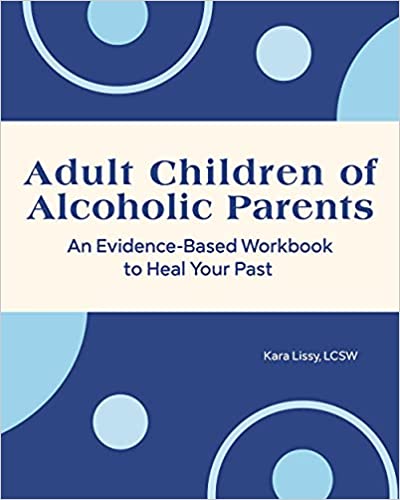
Kara Lissy ’11 recently published her book “Adult Children of Alcoholic Parents: An Evidence-Based Workbook to Heal Your Past.”
Lissy ’11 received her bachelor’s in Psychology at Roanoke and studied closely under the late Dr. Curt Camac and his wife Dr. Mary Camac, as well as completed her senior thesis relating to alcoholism under the supervision of Dr. Angela Allen.
This book is a workbook that is designed to walk people who grew up with alcoholic or otherwise dysfunctional parents through healing and recovery using vignetted, psychoeducation, and evidence-based exercises.
Book Description
“Your healing is in your hands with this evidence-based workbook for adult children of alcoholics
As the child of a parent or caregiver with an alcohol use disorder, you may still feel the impact of your experiences. Take the next steps on your healing journey with this workbook full of therapeutic techniques, journal prompts, quizzes, and other short exercises and activities to empower adult children of alcoholics. The self-guided approach allows you to work at your own pace as you examine how your experiences have shaped you, learn coping skills, grow in self-love, and build healthy relationships free from the harmful patterns you’ve experienced.
Supportive exercises―Find exercises for combating negative self-talk, setting boundaries, working through guilt or shame, developing intimacy with yourself and others, and more.
Proven techniques―Rebuild using effective therapeutic methods including cognitive behavioral therapy, assertiveness training, and other empirically supported tools.
Realistic examples―Read stories from other adult children of alcoholics who have had similar experiences to help you remember that it isn’t your fault and you’re not alone.
Discover evidence-based techniques to help you heal in this workbook for adult children of alcoholics.”
If you are interested in purchasing this book, check it out here, and congratulations again Kara Lissy ’11 for this amazing accomplishment!
We know from previous research that meditation can provide positive outcomes for the individual, such as more prosocial behaviors, but can separate forms of meditation impact our self-reported feelings of compassion, self-compassion, and self-efficacy (Condon et al., 2013)? We wanted to test this theory with mindfulness meditation that focused on the self, and compassion meditation intended to focus on others. Additionally, a large body of work recognizes the impact of meditation in longitudinal studies but lacks work on more immediate influences of meditation behavior. Through this research, our goal was to address the connection between different types of meditation performed the same day on various self-report scales about understanding the self and reacting to other people. We believed that participants who were asked to perform compassion meditation would report higher levels of compassion than those in the mindfulness meditation and control groups. We also believed that participants who performed mindfulness meditation would report higher levels of self-compassion and self-efficacy than the compassion meditation and control groups.
Methods
113 participants were recruited through Roanoke College’s SONA system in the psychology department and received 1 SONA credit for participating in all parts of the study. Participants then completed a survey in which they were randomly assigned into a group to practice compassion meditation, mindfulness meditation, or listen to a set of random facts for a control group. All of these presented as videos with a dark screen and were three minutes long. All participants then completed questionnaires to test their self-efficacy, compassion, state and trait-based self-compassion, and demographics following their interaction with the videos.
Results and Discussion
The compassion measure proved to be the only statistically significant result of the research. Participants who completed the mindfulness meditation had higher reported levels of compassion than the control group. This may have been true because the mindfulness video encouraged participants to be aware of how they were feeling in the moment, which could have led participants to feel more benefits of meditation than the compassion meditation video, which encouraged a bit more introspection and thoughts of less positive things. When we feel positive, we feel more likely to give, which could have led to this result. We attribute this to our inability to have face-to-face sessions and for experimenters to monitor the behaviors of participants while they were instructed to engage in the various types of meditation. Our meditation conditions did not seem to have an effect on compassion towards self and self-efficacy. Contrary to our expectations, the compassion meditation condition, specifically, did not have any effect on compassion towards others either. These results could indicate that a brief, isolated exposure may not be enough to see the results of increased compassion towards self and others, and self-efficacy.
Reflection
The biggest takeaway is that we likely were unable to find research initially about this topic because there are not strong effects between short-term meditation and social understanding. While instant meditation may quickly reduce stress, compassion (leading to prosocial behaviors) may take time to develop. That being said, our findings were based on a short-term study as well as one specific sample and should be further investigated among larger and more broad sample size. Through this process we learned how to think like researchers, quickly complete a comprehensive literature review, design and carry out a research study, and critically interpret statistical results. We also were able to implement writing strategies and effectively work in a group setting to apply our research knowledge learned throughout the psychology program.
Conclusion
The main finding from our study suggests that college students’ use of a short mindfulness meditation had higher levels of compassion towards others than those in a control group. Those who completed a compassion meditation did not significantly impact their compassion towards others, self-compassion, or self-efficacy.
References
Condon, P., Desbordes, G., Miller, W., & DeSteno, D. (2013). Meditation Increases
Allison Tice, David Casson, Kelsey Markel, and Sydney Brenner (Advisor: Dr. Danielle Findley-Van Nostrand)
During the middle of a global pandemic, one cannot help but wonder about the implications of social isolation and loneliness on emotion regulation. Emotion regulation is the ability to control one’s emotional expression or outlook on a specific situation. As a group, we are interested in this topic after further investigating prior research that discusses the impact of social isolation and loneliness on emotion regulation strategies. Specifically, we looked at the emotion regulation strategies cognitive reappraisal and expressive suppression. Cognitive reappraisal is the ability to change the way an individual can perceive a situation and change their emotions. Expressive suppression is the change in visible emotional state or the ability to change the way one feels about an emotion. For example, someone who is feeling angry might attempt to disguise their anger and display themselves in a happy or content state. We assessed these two strategies to see if cognitive reappraisal or expressive suppression was more prevalent in individuals. As a group, we were also very interested to see if there were any gender differences between emotional regulation strategies.
To see any valid relationships between loneliness. social isolation, and emotion regulation, our research team created a survey through software called Qualtrics. In our study, we had 102 total participants who completed the survey. The participants are all Roanoke College students, and many of them are either taking a PSYC-101 or INQ-260 class. The questionnaire consisted of forty-one questions. At the beginning of the survey, we included questions asking about participant’s demographic information and participants’ experiences with COVID-19. The remaining thirty-six questions were taken from three different scales. The University of Los Angeles Loneliness Scale measured participants’ levels of loneliness (Russell, 1996), the Lubben Social Network Scale measured levels of social isolation in participants (“Version of the LSNS”, 2021), and the Emotion Regulation Questionnaire, measured levels of participants’ emotion regulation strategies, specifically expressive suppression and cognitive reappraisal (John & Gross, 2004). Using these evidence-supported scales allowed us to study any possible associations between social isolation, loneliness, and emotional regulation strategies.
We predicted that with an increase in social isolation and loneliness, one’s ability to regulate their own emotions using either cognitive reappraisal or expressive suppression will be potentially more challenging because difficulties such as feelings of loneliness could be suppressed through expressive suppression which has shown to increase sensitivity regarding the intensity of the emotion exhibited. On the other hand, the negative feelings could also be curbed through cognitive reappraisal which has shown to have benefits associated with positive emotional outcomes as a regulation strategy. We were correct in expecting a higher level of difficulty regulating emotions, as more individuals who had less interaction with family and friends were likely to feel more lonely in general. Expressive suppression is moderately correlated with feelings of loneliness, which indicates that those who experienced the feeling of loneliness were more likely to suppress their emotions. Our hypothesis also suggested that our COVID-19 survey questions would play a role in our results, as well. The analysis of these questions indicates that a negative impact from COVID-19 is associated with higher levels of loneliness. Specifically, regulating emotions can be harder when feelings of loneliness and social isolation are present. Our results also show that the expressive suppression of negative emotions can be utilized to prevent exhibiting negative feelings, even though this method may not be mentally sound or healthy. These findings are important in the sense that it is helpful to understand ways in which social isolation and feelings of loneliness can be exacerbated, but also which strategies and methods can be used to help reduce the severity of negative feelings to more effectively regulate emotions.
We thought that the results were interesting in the way that there were differences between expressive suppression and cognitive reappraisal based on gender. A limitation to the study would be the ratio of females to males in this study. With a female dominating sample size, we thought it would be interesting to see if there would be any changes in the results if the ratio of the genders were more equal.
What we hope you, the reader, takes away from our study is that there is a connection between loneliness/social isolation and the ability to regulate one’s emotions. Our analysis of results collected from participants’ answers to the UCLA Loneliness Scale and the Lubben Social Network Scale, shows loneliness is moderately correlated with higher levels of expressive suppression. Furthermore, based on the results from our study, those who feel lonely or isolated are more likely to suppress their emotions. Many individuals have felt the lingering impact of COVID-19. The public recognizes that social isolation is necessary to stop the spread, but this does not dismiss the fact that researchers recognize aspects of COVID-19 will have large implications for individuals, both interpersonally and emotionally. We hope that this study also brings forth further research that explores how individuals can remain connected while decreasing feelings of social isolation and loneliness.
Social media is generally perceived as a fun activity to pass time, but there is no denying that social comparisons are abundant and practically unavoidable and can have detrimental consequences to the health and well-being of those who internalize them. Our study focused on young adults’ social comparison orientation via social media and its relation to self-esteem and relationship insecurity. Previous research has found that individuals tend to compare themselves more to others on social media when they spend more time on social media and this might have a negative association with self-esteem and subjective well-being (Vogel et al., 2014). Furthermore, research also indicates that social comparison behavior and increased social media use influences our perceptions of relationship quality and satisfaction (Neyer & Voigt, 2004; Yacoub et al., 2018). It was our purpose to explore and establish distinct relationships between social media use and social comparison behavior, self-esteem, relationship insecurity, and mistrust in an effort to further understand the implications that social media and mechanisms related to social media has on our concept of self and our relationships.
Methods
For the purpose of our study, we specifically focused on social comparison orientation via social media and its relation to self-esteem and relationship insecurity. We hypothesized that our target population of college students spend significant amounts of time on social media, comparing themselves to others, and therefore negatively impacting their relationship quality and self-concepts. In particular, we expected that engaging in upward social comparisons (evaluating others as above or better than you) would be related to problems. To test this theory and measure social media usage and its relationship with self-esteem and relationship quality, we first recruited participants online to participate in our survey which utilized various measures. Regarding our measures of social media usage, we used a subset pulled from the Media and Technology Usage and Attitudes scale. To measure upward and downward comparisons on social media, we used the Scale for Social Comparison Orientation, and for self-esteem we utilized the Rosenberg Self-Esteem Scale. For the last measure in our study, two subscales from the CAT-Personality Disorder Scales Static Form and a 7 item-measure to measure relationship insecurity and mistrust.
Results and Discussion
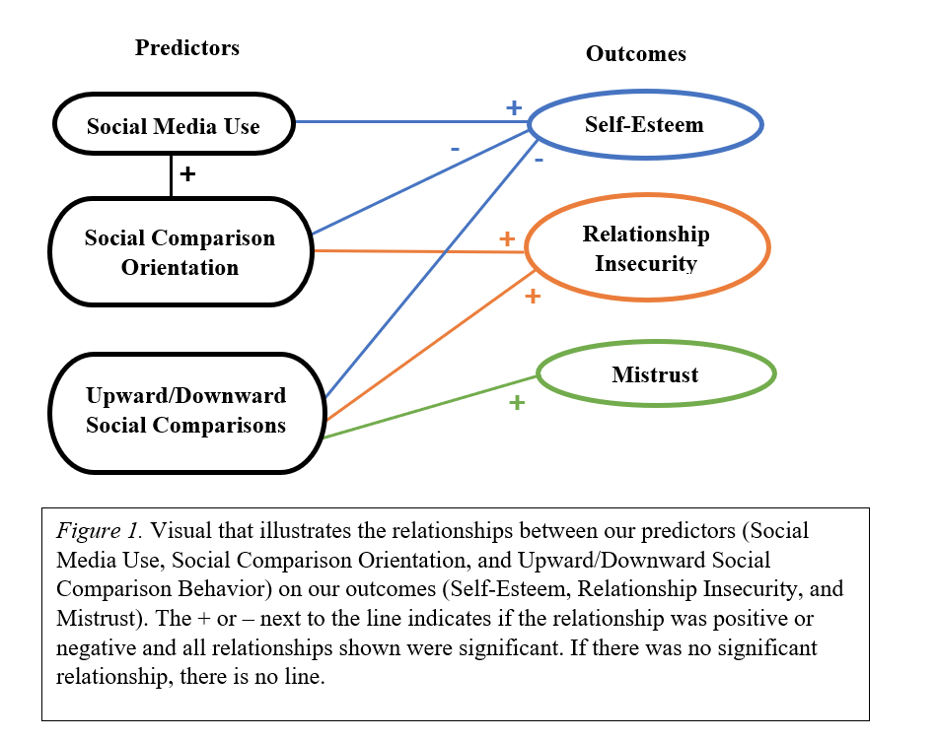
We expected social media to have a positive relationship with both social comparison measures and have a negative relationship with self-esteem, relationship insecurity, and mistrust. What we found was not as expected, social media use was only mildly positively associated with social comparison orientation; the relationship between social media use and upward/downward social comparisons was not significant. We also found that social media use was positively related to self-esteem but only when controlling for both social comparison measures, but there were no significant relationships shown between social media use and relationship insecurity or mistrust. Next, we looked for the associations of social comparison orientation and upward/downward social comparisons with self-esteem, relationship insecurity, and mistrust. We hypothesized that social comparison behavior would negatively correlate with self-esteem, relationship insecurity, and mistrust, however, what we found was slightly different. We found a negative relationship between self-esteem and both social comparison measures that were moderate in strength but found positive associations between both our social comparison measures and relationship insecurity and our mistrust measure. Our results imply that social media use might be directly related to social media orientation, but that there might be another mechanism about social media use that influences self-esteem, relationship insecurity, and mistrust. This indicates that it is not necessarily social media use that directly impacts our self-esteem, relationship insecurity, and mistrust, but rather the activities we are engaging in, like social comparison, on social media that then become harmful to ourselves and our relationships.
Reflection
This (almost) semester-long project has taught us a lot about the process of completing and finishing out a study. The process of working with different minds was so interesting and honestly added so much to our project. When deciding what we wanted to do, we really bonded over the topic we chose to study. Social media is something that is really big in all of our lives just as much as relationships and the self. When creating the study itself, the process of finding the right questions and specific scales for our study was a little difficult. When creating a study, you want everything to come across the way that you intended it to. The best part of this process was getting our data back and being able to analyze it.
References
Neyer, F. J., & Voigt, D. (2004). Personality and social network effects on romantic relationships: a dyadic approach. European Journal of Personality, 18(4), 279–299.https://doi.org/10.1002/per.519
Vogel, E. A., Rose, J. P., Roberts, L. R., & Eckles, K. (2014). Social comparison, social media, and self-esteem. Psychology of Popular Media Culture, 3(4), 206–222.https://doi.org/10.1037/ppm0000047
Yacoub, C., Spoede, J., Cutting, R., & Hawley, D. (2018). The Impact of Social Media on Romantic Relationships. Journal of Education and Social Development, 2(2), 53-58. https://doi.org/10.5281/zenodo.1490763.