Dr. Osterman’s social psychology class was tasked with creating “Buzzfeed-Style” research articles on a social psychological topic. Throughout the semester students worked in groups to build empirical evidence through peer reviewed sources to bust myths and increase knowledge of social psychology concepts on a colloquial level.
Please enjoy the first in a series of social psychology articles, written by Alice Chandler, Casey Jo Gough, Kayla Hogan, Tesa Ingram, and Mattie Joseph.
10 Healthy Ways to Manage Stress: College Edition is a helpful read as we approach finals week, enjoy!
Written by Casey Jo Gough ’20 and contributed to by Brittney Rowe ’20
College is stressful, like, REALLY stressful. Getting zero hours of sleep and chugging 5 mugs of black coffee aren’t going to help. You won’t have time to research how to minimize stress through effective coping especially since you still have to write that paper due at midnight, so we did it for you.
Want to get ahead or catch-up? Just want to take an interesting course? You might be interested in taking a summer course.
The psychology department is offering five different summer classes in 2019. The prospective courses are: Abnormal Psychology, Drugs & Behavior, Positive Psychology, Industrial-Organizational Psychology and Personality Psychology.
I am a junior and psychology major. I am in Chi Omega and do research with Dr. Osterman. I volunteer with Best Buddies and the Salem Food Pantry.
Where did you study abroad? Why did you choose to study there and what was it like? Was it different from what you were expecting?
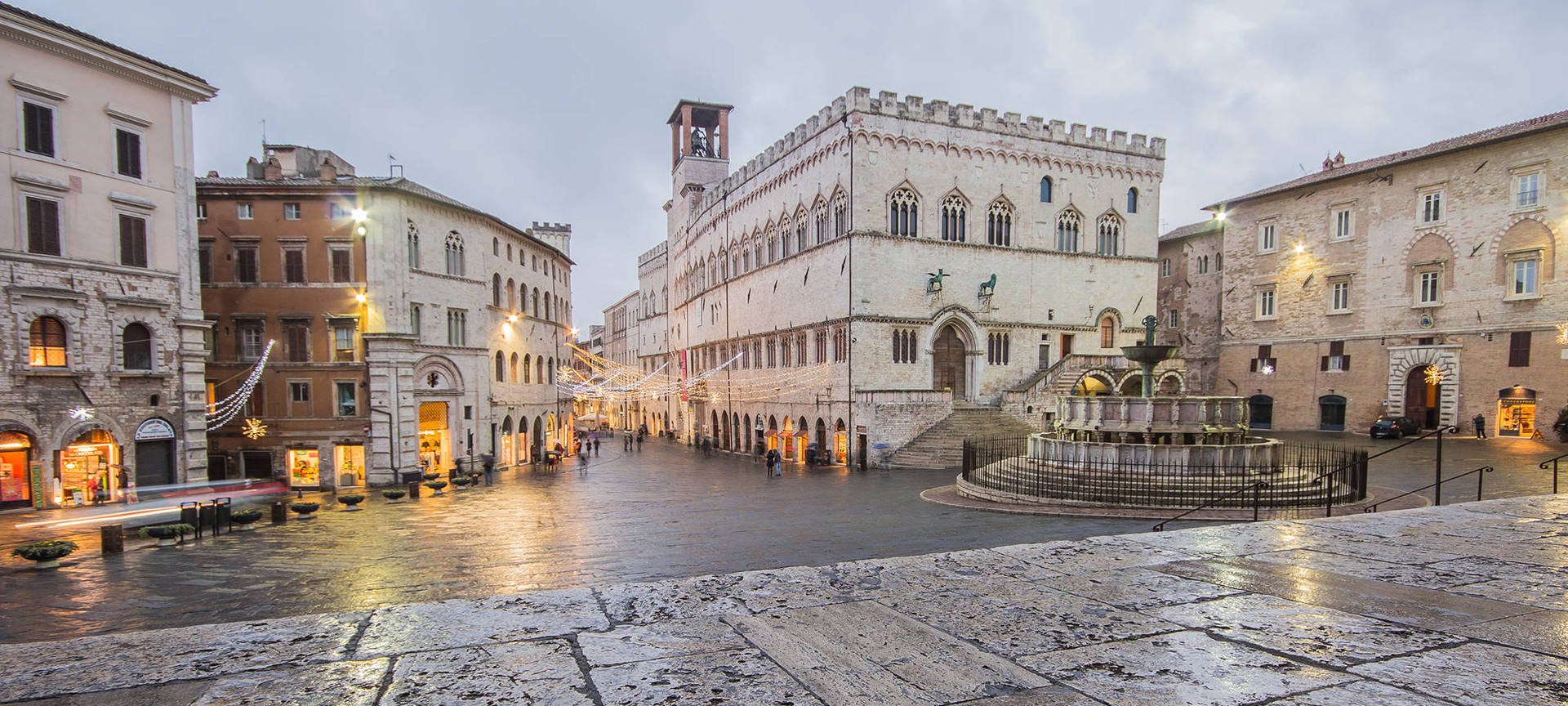
I went to Perugia, Italy. I chose this place to study Amanda Knox but it didn’t end up happening. It was a smaller city, so I was very immersed in the culture. The people were super friendly. The Umbra Institute gave a much heavier work load [than I was expecting], but it kept me prepared for returning to Roanoke.
What were some of your favorite moments while abroad?
Being able to travel all around Italy and see every part. When you travel to different parts of Italy it is almost like you entered a different country. I also loved visiting Amsterdam.
What were you most worried about in terms of studying abroad?
Being able to go all the places I wanted while still handling the work load.
Did anything happen that you weren’t expecting? Were there any moments that particularly struck you while abroad? Tell me about them.
The public transport could be a little iffy, so sometimes a bus or train would be missed. The difference in culture struck me because Italians are much more laid back and collectivist than America.
What did you learn while abroad? This is not limited to just coursework (though certainly talk about the types of courses you were able to take) but also about the culture or cultures you interacted with and, cheesy as it is, yourself as well.
I learned a lot about organizational behavior psychology, which I never thought I would. I learned I like laid back culture, but it is annoying when I am in a rush and no one else is.
The courses I took were: Criminal Behavior, Human Development in Culture, Organizational Behavior, Italian Immigration, and Italian.
What do you miss the most?
The food and the welcoming people I saw all the time. Just the atmosphere in general.
Tell me about your plans for the future. How will you apply what you learned while abroad to help you?
I think I can use the way that I adapt to any culture extremely well as a tool for applying to different jobs and higher education. I may even continue my higher education in another country.
Do you have any advice for other students interested in studying abroad?
Emily Townley is one of the three psychology students who studied in Perugia, Italy last semester. During her study abroad experience, she was able to travel to Switzerland and Venice, engage Italian school children in English language learning through fun games during her class’s field trip, go paragliding, eat some truly delicious food, meet some incredible people, and all around have a fantastic experience abroad (except for that one trip to the hospital in the beginning). Read on to learn more about her experience abroad. Enjoy!
To start off, can you tell me a little about you?
I am a Psychology major with an Art History minor. I’m in the Honors Program and part of Psi Chi. I’m originally from Richmond, Virginia.
Where did you study abroad? Why did you choose to study there and what was it like? Was it different from what you were expecting?
I studied abroad in Perugia, Italy. If the name sounds familiar to you, it might be because the Amanda Knox trial happened there. Luckily no drama like that occurred while I was there.
I never planned on studying abroad in Italy. In fact, I was looking more at Northern European countries like the Netherlands or Denmark since I had already been to Italy. However, when I saw that the Umbra Institute (the school I studied at) offered a multicultural psychology program, I began considering it more seriously. After looking up pictures of the gorgeous town, I decided that this was where I was meant to be.
Overall, Perugia met my expectations of being a charming, Italian hilltop town. If I had to pick a way that it was different from what I was expecting, it was much livelier than I expected it to be. When I had gone to Italy before, my favorite places were the smaller towns like Siena, rather than the hustle and bustle of cities like Rome. However, I did fear that Perugia would get to be too quiet and I would begin to get stir crazy. That never happened though! The hardest part of the small-town life was that if I ever wanted to fly somewhere, it was a three-hour train ride to the airport, but I got used to that.
What were some of your favorite moments while abroad?
One of my favorite moments while abroad was when my friends and I went to lunch in Cortona, Italy. Cortona was only an hour train ride away from Perugia, so it was a great opportunity to see some of Tuscany (also one of my friends loves the movie Under the Tuscan Sun which takes place there).
It was about 2:00 pm when we arrived which was a bit late for lunch in Italy and we were very hungry, so we just went to the first place that was still open. And what a place it was! When we first sat down, we were given fresh prosecco which immediately clued us in that this was no ordinary restaurant. After ordering, we were then brought fresh, warm bread rolls and then a small, artfully plated bowl of pea soup. Our entrees were then brought out and none of us could talk because we were just so amazed at how good the food was. Finally, we ordered dessert which was the grand finale of our fabulous meal. I ordered an apple pastry which was presented inside of a chocolate dome which then had melted chocolate poured on top of it to reveal the pasty in the shape of a rose. At this point, our friends and I were almost screaming in delight. The rest of our day we couldn’t stop talking about how surprising the meal was and how it was the best dining experience we had ever had.
Paragliding in Switzerland
Another one of my favorite moments happened during my solo trip to Switzerland. I had wanted to go see the Alps for a very long time but had tried to keep a realistic mindset that I might not make it out there while abroad. Flights were expensive and my schedule was already busy; I figured it was a lost cause. However, the planets aligned in the end, and though I had to go alone, I managed to find some train tickets that would take me to a town right in the heart of the Swiss Alps: Interlaken. While there were many magical moments that happened while I was there, like watching the sunset from the Harderkulm and paragliding, probably the most striking moment was when I was in the mountain top town, Mürren. It’s only accessible by cable car which made it feel like it was almost out of a fairy tale because of the lack of cars. It’s hard to describe exactly how it felt to be so high up in the mountains and to see the snow-capped summits of the Alps in person. In some ways, it was the most peaceful I’ve ever felt.
What were you most worried about in terms of studying abroad?
Honestly, I was very scared about not making friends. I went to camp for three weeks every summer when I was younger and never really connected with anyone despite going for five years. I was very nervous the same thing would happen again, except this time I would be stranded in a different country for four months with no one to hang out with. Luckily, those fears were unfounded! I formed some great friendships while I was abroad with some wonderful people that I hope I get to travel with again in the future.
Did anything happen that you weren’t expecting? Were there any moments that particularly struck you while abroad? Tell me about them.
There was certainly one thing that happened that I was not expecting. That would have to be my five-day stint in the hospital my first week there. I arrived on Friday and by Wednesday I found myself in an Italian ER with a stabbing pain in my side. That pain turned out to be a kidney stone! Once I was in the hospital and on pain medicine it wasn’t as scary anymore but [everything] leading up to that point was quite stressful. My mom was ready to drop a few thousand dollars to fly over to be with me (and thank God she didn’t). The care I received in the hospital was phenomenal and I was lucky enough to have another girl in my study abroad program there with me for some of the time so I wasn’t alone (she had a seizure on the bus ride from the airport :O).
What did you learn while abroad? This is not limited to just coursework (though certainly talk about the types of courses you were able to take) but also about the culture or cultures you interacted with and, cheesy as it is, yourself as well.
Something that makes the Umbra Institute different from some other study abroad programs was their emphasis on the “study” portion of the phrase. For many people, they would find this annoying, and I definitely did at times too when I just wanted to travel, but I couldn’t because I had an Italian exam or another field trip to Assisi. However, I’d say it was definitely beneficial in the end. It has made the transition back into Roanoke a little smoother because it’s not like I took a whole semester off. Also, all the classes I took were really interesting and taught me a lot! I took two art history courses to go towards my minor and two psychology courses to go towards my major. While the art history courses were interesting in their own right, I’ll just talk about the psych courses considering this is a psychology blog post.
Left-to-right: friend, Dr. Kessenich, and Emily Townley
The two courses were Human Development in Culture and Criminal Behavior. They were both taught by a wonderful professor, Doris Kessenich, who was a joy to learn from given her experience in the fields she was teaching. Our class sizes were very small (maybe eight people) so they would be extremely discussion based, which normally would worry me, but I just felt so comfortable in her classes that I participated a lot. We even took a surprisingly fun field trip to an Italian middle school as part of the Human Development class where we got to help the kids with their English skills by playing games like Heads Up.
On a more personal level, I learned to be a lot more independent. Before studying abroad, I had concluded there was no way I would ever travel by myself. My friend, Becca, had studied abroad the semester before in Spain and had sworn by traveling by herself, but the prospect scared me. I was worried I would get lost or miss a connecting train or flight or a multitude of other world ending catastrophes. But, when push came to shove, my desire to travel to Switzerland outweighed any of my previous fears. And when everything went smoothly in Switzerland, I found myself doing it again to go to Venice on my own. While there were definitely some aspects of traveling alone that annoyed me (mainly not having anyone to take pictures of me at sites so having to rely on strangers/selfie sticks/self-timers), there were also some huge upsides! I got to make my own schedule, got to decide exactly what I wanted to do and when I wanted to do it, and I was able to make more spontaneous decisions that I could never make when traveling with other people.
What do you miss the most?
The ease of travel is definitely something I miss a lot. Things are a lot cheaper in Europe, more efficient, and closer together. For just $50 and about five hours of your time, you could find yourself in a completely different country and culture. Back home, you could drive for five hours and still be in Virginia.
I also miss the friends I made abroad. Luckily, my program was for American students, so all my friends live in the U.S., but we’re still pretty far out. Just in my friend group there was someone from California and another from Minnesota, so it will be hard to see them in person in the future. Thank God for technology though!
One last thing I definitely miss is this pasta I would get all the time in Perugia. It was called Pasta alla Norcina and I always got it at this one restaurant called Ferrari. While there were many other delicious foods I had while abroad, this will definitely be what I miss the most, especially because it was a specialty to the area.
Tell me about your plans for the future. How will you apply what you learned while abroad to help you?
In my Human Culture in Development class we learned about the Developmental Model of Intercultural Sensitivity. My final paper for the class, I wrote about how I believed I developed along this model. By the end of my study abroad experience I believe I had reached the Adaption stage, which is when one is able to behave and think in ways that are in line with the new culture. In other words, I think I learned how to be more culturally sensitive and how to adapt better when in other cultures. In the future I hope to find my opportunities to travel and I hope that I can be able to adapt more easily to new cultures because of my time abroad.
Do you have any advice for other students interested in studying abroad?
Don’t be afraid to travel on your own. Making friends isn’t as scary as you think because everyone is nervous about making friends, just be yourself and you’ll find your crew. It might depend on the program, but remember it is called study abroad so be prepared to actually do some schoolwork. Savor every moment, it goes by faster than you think.
As a follow-up to the previous article “A Quick Look: Alina Marino in Perugia, Italy” , Marino ’20 expands on her experiences studying in Italy in the fall of 2018. In addition to describing some of her favorite experiences, she also provides advice for those looking to study abroad in the future. In particular, Marino discusses the importance of finding a country that most closely aligns with your personality, lifestyle, and habits; she also discusses her experiences with culture shock.
To start off, can you tell me a little about you?
I am a junior with a double major in psychology and criminal justice. I am from Long Island, NY. I am a member of Psi Chi, Alpha Phi Sigma, and Xi Theta Chi. I am also a sister of Alpha Sigma Alpha.
Where did you study abroad? Why did you choose to study there and what was it like? Was it different from what you were expecting?
I studied abroad in Perugia, Italy. I chose the country of Italy for my studies because I had previously taken Italian for six years and wanted to be able to improve my speaking skills. I specifically chose Perugia because out of the places in Italy to study abroad that Roanoke works with, the Umbra Institute (in Perugia) had the best options for psychology classes.
Italy is a beautiful country. It is one of those places you can feel how old everything is. The culture and way of life there is extremely laid-back. It was a little different than I expected, since I did not realize how regional everything is. For example, in Umbria (the region I was in), you can basically only find traditional Umbrian food. Pride in your specific region is a huge part of Italian culture.
What were some of your favorite moments while abroad?
As someone with a deep appreciation for food and cooking, most of my favorite memories revolve around food. My favorite memory is when my best friend Hayley and I took a weekend trip to Bologna. Bologna is known in Italy as one of the best places to eat, so I was very excited. Compared to other cities in Italy, like Rome or Venice,
Bologna is less of a tourist destination. It was less crowded than some of the other places I visited so I felt like I was really able to get more of a “true” Italian experience. We spent the weekend eating regional food, drinking the local wine, and exploring the city.
What were you most worried about in terms of studying abroad?
I was mainly worried about how much I would miss my friends and family.
Did anything happen that you weren’t expecting? Were there any moments that particularly struck you while abroad? Tell me about them.
I did not expect to have culture shock as bad as I did. I had looked into Italian culture, but it still did not prepare me as much as I would have liked. Before going away, I didn’t really think culture shock was that big of a deal, but it is. I am a very type “A” person and that does not really work in a place where you live life day-to-day and carefree.
What did you learn while abroad? This is not limited to just coursework (though certainly talk about the types of courses you were able to take) but also about the culture or cultures you interacted with and, cheesy as it is, yourself as well.
While abroad, I took three psychology courses; organizational behavior, human development in culture, and criminal behavior. My OB class was taught by an American that had been living in Italy for over ten years. It was interesting to see his perception of OB from a multicultural lens. My other two courses were taught by a German that had been living in Italy for over twenty-five years. Her view of development in culture was intriguing because she had multiple cultural backgrounds that were blended into one.
The biggest thing I learned about myself is that I will not step out of my comfort zone if I do not need to. I already had somewhat of an idea that I was like this but being in a completely new country helped to reinforce this.
What do you miss the most?
The food! Hands down.
Tell me about your plans for the future. How will you apply what you learned while abroad to help you?
My plans for the future are to go to graduate school for forensic psychology. Studying abroad did not change or impact this decision. However, studying abroad did solidify that I will be living in America. Being in Italy made me realize how grateful I am to live in America.
Do you have any advice for other students interested in studying abroad?
My advice to students studying abroad is to know yourself – look into various countries and see what you think would work best with your personality. Don’t just study abroad in a place because everyone says it is beautiful (that’s where you go vacation!!). By picking a country that values the same things you do, I think it would help alleviate some of the culture shock you may experience. Do not feel guilty that you aren’t having the “most amazing time” like everyone claims to have. Everyone is different and your feelings about the experience – good, bad, somewhere in between – are still valid and acceptable.
Something I personally did when I was feeling down is remind myself of the amazing opportunity I had. Living in a different country is something not a lot of people can say they have done. Even if in the moment you are miserable, you will be able to look back fondly on your time and how much you have grown as an individual.
Student Alina Marino, a Psychology and Criminal Justice major, briefly discusses the highlights of her experiences studying abroad in Perugia, Italy below.
Name: Alina Marino
Where I studied: Perugia, Italy
Courses: Human Development in Culture, Organizational Behavior, Criminal Behavior [to name a few].
Favorite memory: My best friend and I studied abroad together so there are a lot of memories to choose from! However, I would have to say the best time I had is when we took a girls trip to Bologna, Italy. We spent the weekend tasting the local delicacies and touring the beautiful city.
Application: One of my professors abroad is a Forensic Psychologist, which is the field I would like to get into. She was able to tell me personally some of the daily tasks forensic psychologists do which was helpful to me.
This is the final blog post created by students in Dr. Carter’s Fall 2018 Social Psychology course. It was written by Jackie Hernandez, Shannon Snyder, Autumn Kempf, and Saul Pineda-Torres.
There have been plenty of studies showing the negative impact of phone use in situations like driving and learning, but until now, no studies have actually manipulated smartphone usage in social interactions. Past studies have proven that smartphones cause people to be distracted which, theoretically, could mean the use of smartphones decreases enjoyability in social experiences.
The experimenters invited groups of 3 to 5 friends or family members to a local restaurant to participate in a study about “dining out experiences.” The groups were then randomly assigned to be either “phone” or “phoneless” groups. They were implicitly manipulated by being asked, after placing their order, to either answer a text survey (phone group) or a paper survey (phoneless group). The participants in phoneless groups were asked to put their phones on silent in a container on the table. Both groups obviously had the option to use their phone since no one was told they couldn’t. The significant difference was that the participants in the phone groups were explicitly asked to use their phone early on to respond to the survey.
The participants were deceived about the true nature of the experiment to ensure the most naturalistic results possible. When the meal was finished, participants were then questioned via iPad (for privacy) about social connectedness, interest, enjoyment, distraction, and boredom. The researchers also measured how much the participants actually used their phones. The whole meal was recorded, so the researchers could break down total phone usage into percentages. Participants in the phone groups used their phones for an average of 11% of the meal, while participants in the phoneless groups used their phones for an average of only 1% of the meal. So, while the phoneless group wasn’t completely phoneless, these participants used their phones significantly less than that in the phone group. Participants in the phone group reported being more distracted, having less interest and enjoyment, and being more bored than the participants in the phoneless group. This data allows the researchers to conclude that distraction caused by phone use does hinder enjoyment. In other words, using phones while eating out with friends could ruin our chances of fun.
The results indicated that participants under the phone condition were more distracted and in response reported lower interest and enjoyment levels, and higher levels of boredom. Since whether phone use led to distractions or distractions led to phone use cannot be proven through the first study, the researchers set up Study 2. Study 2 was an extensive survey asking people about situations other than just eating out with friends or family, which allowed more general conclusions to be drawn. People reported that using phones overall cause distractions which lead to less interest in their daily interactions.
The irony of this research is that we think our phones keep us linked to the world, when actually phone usage undermines the social connectedness we feel when spending time with other people. The experiment was relatively small and further research should be done, but it does seem to indicate that this amazing piece of technology lessens the enjoyment we get out of spending time with friends and family. The researchers did fail to examine whether the personality or mood of the participants could have played a role in the results. In the future, researchers should ask the participants before the meal if they are looking forward to it. If they are not, they are likely to be more bored and could possibly resort to their phones to fill in the entertainment gap.
To summarize the relevance of this experiment, enjoy your life! Put your phones away and soak up the face-to-face conversations with those you love. Because we are so used to communicating through technology, we have to distinguish when we are doing something “irl”. Social media can wait; work can wait. Put away the technology and engage in the world around you. You’ll enjoy it more—trust us, the research says so!
The fourth post from Dr. Carter’s Fall 2018 Social Psychology course, this post was written by Samantha Luby, Grace Page, Vanessa Pearson, and Amy Smith. ___________________________________________________________________________
When talking about stereotypes and placing someone in a specific group, we do not tend to think about gender differences in children when it comes to performance in different school subjects. We do not necessarily think that gender may affect final scores, specifically in reading, but it does. In this experiment, the authors set out to find data that shows there is implicit reasoning for why girls outperform boys in reading. Overall, the authors are focused on the stereotype that girls perform better in reading than boys and how that affects the boys reading scores.
Within this experiment, students were chosen from four classes among a group of public schools. The kids took a reading test designed to measure their recognition and comprehension of written words in a normal classroom setting. Experimental conditions were implemented in the classrooms, and all of the students were assigned to either the stereotype threat (ST) condition or the reduced-threat condition. In the ST condition, the experimenter, posing as a reading teacher, told the students that their task was to take a reading test that was designed to evaluate their “ability in reading”. In the reduced-threat condition, the experimenter, posing as a game designer, told them that their task was to play a game in which they had to underline as many animal names they could from a list in three minutes. After the test, the kids had to answer questions about the test, as well as how important reading was to them.
The ultimate findings of this experiment showed that stereotype does, in fact, play a part in boys’ reading performance in school. When looking at the results from the stereotype threat condition, girls performed much higher than boys in reading due to the boys’ perceptions of the stereotype that they tend to do more poorly. Under the reduced-threat condition, however, there was no strong evidence that boys and girls performed differently in the reading assessments. This demonstrates that within a traditional setting, boys are strongly affected by the reading gender stereotype, particularly when in a stereotype threat condition, such as taking a reading assessment. The presence of this stereotype therefore does produce poorer reading results in boys.
Although some may argue that the boys’ underperformance on reading tasks are due to the lack of motivation, the findings of this study suggest otherwise. Highly motivated boys still underperformed in reading in the threat condition. This led the researchers to believe this reading difference between genders is because boys are fearful of confirming the stereotype regarding their gender group and reading. These perceptions the boys had because of the stereotype influenced their psychological processing, ultimately affecting how they performed on the reading task. In the threat condition, simply being aware of the stereotype resulted in poorer performance. On the other hand, in the non-threat condition, the boys were not thinking about the stereotype, allowing them to perform better on reading tasks.
The main issues present within this experiment are components the researchers failed to consider when making general statements about the effects of stereotype threat in children’s reading performances. For example, the researchers claim that from this experiment, it is evident that stereotype threat largely affects learning and performance in most, if not all, classrooms. This is problematic because they are basing this assumption off their study examining only four different classes, all of which were third grade classrooms from three different public schools in France. Before they make blanket statements such as this, the researchers need to consider who their experiment truly applies to and who it does not. The results of the experiment could vary based on: public versus private schooling, the language children are reading, the country/location the schools are in, the grade level that is being tested, and the number of classrooms that are tested.
Citation: Pansu, P., Regner, I., Max, S., Cole, P., Nezlek, J. B., & Huguet, P. (2016). A burden for the boys: Evidence of stereotype threat in boys’ reading performance. Journal of Experimental Social Psychology, 65 (26).
The third blog post from Dr. Carter’s Fall 2018 Social Psychology class is titled The Gift That Gives Back: How Being Kind Makes You Happier and was written by Kira Hunt, Yuri Chikada, Holly Garrett, and Jacob Plaster. Enjoy!
Aesop once said, “No act of kindness, no matter how small, is ever wasted.” Even the smallest acts of kindness (e.g. holding the door open for someone) don’t go unnoticed by the receiver of the action. It is also a reason that those who ask for help say that even the smallest bit helps. However, those it helps doesn’t just stop at the receiver of the act. One might even say that it makes people feel good to do good, specifically when performing acts that help either a family member, friend, or even a stranger.
Recent studies have examined the causal relationship between acts of kindness and well-being or happiness. In a systematic review and meta-analysis titled “Happy to help?” social psychology researchers Oliver Scott Curry, Lee A. Rowland, Caspar J. Van Lissa, Sally Zlotowitzd, John McAlaney, and Harvey Whitehouse analyzed twenty-seven experimental studies that tested the hypothesis that kindness causes wellbeing.
Common methods of the studies included asking participants to perform either a set number of acts of kindness or spend a given amount of money on others. For example, in one study, participants were asked in the following week to perform at least five acts of kindness per day and report not only the act but the responses of the recipient. They were then asked to self-report measures like happiness on scales. Some studies had control participants do nothing, others had the participants act kindly in a non-social activity, while some participants were asked to help themselves. For example, for prosocial purchases (i.e. spending money on others), the control was spending money on themselves.
The researchers found evidence proving their hypothesis of acts of kindness improving the wellbeing of the actor (i.e. the person performing the act of kindness). Humans are social beings, and it means that we have psychological mechanisms that motivate us to help others. These motivations include biological and sociological benefits.
Kindness towards genetic relatives is favored by natural selection as seen by parental care. Kindness towards members of the same group allows us to form and maintain groups which enhance belonging. Kindness is also seen to potentially improve individual status as it can impress others and potentially attract mates. We also see kindness towards people we may see again as being beneficial to cooperation and the rules of reciprocity.
We tend to see people who need help as some reflection of ourselves and it makes it difficult to ignore those people who need help. For example, if you dropped your papers in the middle of the road and those papers spread out, you need some help to collect them all. When we see others in similar situations, we visualize ourselves in that position and potentially the same feelings as those in the situation. After helping those people, we get satisfaction from doing so.
This satisfaction otherwise known as happiness is a psychological reward that proves that a problem was solved successfully. If someone acted in a kind way, they can get a good reaction from the person who needed help because the person who needed help had their problem solved. The person who helped made the situation better. It can improve their self-esteem. After that, they can understand how they should help in those situations.
There are some limitations of this research, however. Most of the studies had very small samples and many used non-clinical samples. Due to this, it’s not possible to say that those with specific mental problems are affected in the same way by performing acts of kindness. Several of the studies did not account for the motivation behind the acts, so motivation could possibly be another variable that leads to the results. It is possible that intention to help oneself rather than others could eliminate the effects of improved well-being. The studies also didn’t account for the variety of recipients (e.g. family members, strangers, friends, etc.) nor did they investigate any long-lasting effects. Most studies only investigated immediate effects. In align with the motivations previously mentioned, it is possible that certain people had improved wellbeing giving to the groups they belonged to, rather than groups they didn’t. Also, it is possible that this happiness is only a short-term effect and is not important in the long term.
Though there does seem to be an outcome of happiness from performing acts of kindness, the effect seems small in the grand scheme of things. Even still, kindness appears to be the best gift to give as it eventually gives back to you.
The second student blog post from Dr. Carter’s Social Psychology course from this past semester, the authors of this article are Elizabeth Harris, Molly Kasemeyer, Sam Buczek and Kelsey Lee.
The holiday season is finally here! Families gather to share a large meal and exchange colorfully wrapped gifts. Individuals most likely find themselves out-and-about at stores during this time of year, not only to buy gifts, but to buy groceries for that delicious meal. Every shopper has different preferences on brands, products, prices, and even different values when it comes to buying foods, but do people with similar values and lifestyles also share similar purchasing styles? The experiments conducted and discussed in the journal article, Religious shoppers spend less money, aimed to answer a similar question; do religious beliefs affect grocery shoppers spending and purchasing habits? The study that will be discussed here specifically measures the effect of religious priming on grocery shoppers’ willingness to pay for unexpected purchases.
The first part of the study simulated an unplanned shopping trip where the participants would be able to spend about $25.00. They chose one common grocery item from seven different food categories in which each categories food choices were priced the same to ensure a total of about $25.00. The second part of the study presents each participant with an item at checkout that is, hypothetically, of interest to them, in this case their favorite magazine. They are then asked how much they would be willing to pay for it. After completing the simulation, participants answered a set of demographic questions and questions regarding their religious beliefs and other social concepts.
Prior to completing the simulated shopping trip and post-experimental questions, the researchers utilized the technique of priming to create the experimental and control groups. Participants were randomly assigned to either watch a short video with a religious focus, the religious prime, or a short video on oil painting tips, the control prime. After viewing the assigned video, the experimenters administered a prime check where participants answered questions about their feelings toward God after watching the religious prime video. The independent variable in this experiment was the religious prime while the dependent variable was the participants willingness to pay for the magazine.
The findings of the study were simple. The more religious a person is, the less likely one is to spend money on “novel purchases”. Many religions emphasize being prudent with money, meaning that many would not spend money, or at least a lot of money, on unexpected items they may come across during a grocery shopping trip. This study proved that “participants in the religiosity condition” would spent an average of 9.6% less on groceries than customers in the control condition. The study also proved that a “religious prime” lowers money spent by grocery shoppers whether they were a believer in God or not. Lastly, the conclusion stated that “the effect of religion on grocery spending arises from people’s tendency to associate religion and religious cues with frugality rather than the documented effect is simply being a manifestation of religious people’s values”, which means that individuals justify the experiment’s results with the belief that religious shoppers are “frugal” in nature.
The main psychological process utilized in this experimental study was attention. The participant’s attention during priming in the experimental condition is focused on the religious aspect and leads people to make the common associate between religion and religion cues to frugality. This is evident because people who were not religious still exhibited the same response to the religious priming as those who already had a religious set of beliefs showing that the universal psychological process of attention is at work. Attention leads people to focus on a specific idea and act according to commonly associate behaviors. After watching the priming videos, participants were asked their feelings specifically relating to God. Participants that were in the religious prime condition reported that they felt closer to God or had stronger feelings towards God than those in the control group. Overall, the attention process enabled the participants to be more conservative with their spending compared to the control group.
It is evident that the experimenters thought about various factor of the experiment that could elicit bias or lead to skewed data based on their description in the “Measure” section of the article. Even though their method was sound, they did not choose a representative sample. Instead, they chose individuals who worked for a specific company. This could lead to bias because of possible shared qualities among this group of workers that could influence behaviors in the posed situation. Also, the topic of the control video, oil painting, may not be considered completely neutral. Participants could be either bored by this video or rather intrigued which could lead to more positive or negative feelings in the moment. These feelings could possibly affect their willingness to pay for an unexpected item.
Bibliography
Kurt, et al. “Religious shoppers spend less money.” Journal of Experimental Social Psychology, vol. 78, 2018, pp. 116–124.



 To start off, can you tell me a little about you?


 small, artfully plated bowl of pea soup. Our entrees were then brought out and none of us could talk because we were just so amazed at how good the food was. Finally, we ordered dessert which was the grand finale of our fabulous meal. I ordered an apple pastry which was presented inside of a chocolate dome which then had melted chocolate poured on top of it to reveal the pasty in the shape of a rose. At this point, our friends and I were almost screaming in delight. The rest of our day we couldn’t stop talking about how surprising the meal was and how it was the best dining experience we had ever had.
 the Swiss Alps: Interlaken. While there were many magical moments that happened while I was there, like watching the sunset from the Harderkulm and paragliding, probably the most striking moment was when I was in the mountain top town, Mürren. It’s only accessible by cable car which made it feel like it was almost out of a fairy tale because of the lack of cars. It’s hard to describe exactly how it felt to be so high up in the mountains and to see the snow-capped summits of the Alps in person. In some ways, it was the most peaceful I’ve ever felt.
 hang out with. Luckily, those fears were unfounded! I formed some great friendships while I was abroad with some wonderful people that I hope I get to travel with again in the future.
 turned out to be a kidney stone! Once I was in the hospital and on pain medicine it wasn’t as scary anymore but [everything] leading up to that point was quite stressful. My mom was ready to drop a few thousand dollars to fly over to be with me (and thank God she didn’t). The care I received in the hospital was phenomenal and I was lucky enough to have another girl in my study abroad program there with me for some of the time so I wasn’t alone (she had a seizure on the bus ride from the airport :O).
 What did you learn while abroad? This is not limited to just coursework (though certainly talk about the types of courses you were able to take) but also about the culture or cultures you interacted with and, cheesy as it is, yourself as well.
 I also miss the friends I made abroad. Luckily, my program was for American students, so all my friends live in the U.S., but we’re still pretty far out. Just in my friend group there was someone from California and another from Minnesota, so it will be hard to see them in person in the future. Thank God for technology though!
 Perugia. It was called Pasta alla Norcina and I always got it at this one restaurant called Ferrari. While there were many other delicious foods I had while abroad, this will definitely be what I miss the most, especially because it was a specialty to the area.
 As a follow-up to the previous article