All posts by Joanna Thompson

Introducing Our New Program – Masters of Science in Psychology!

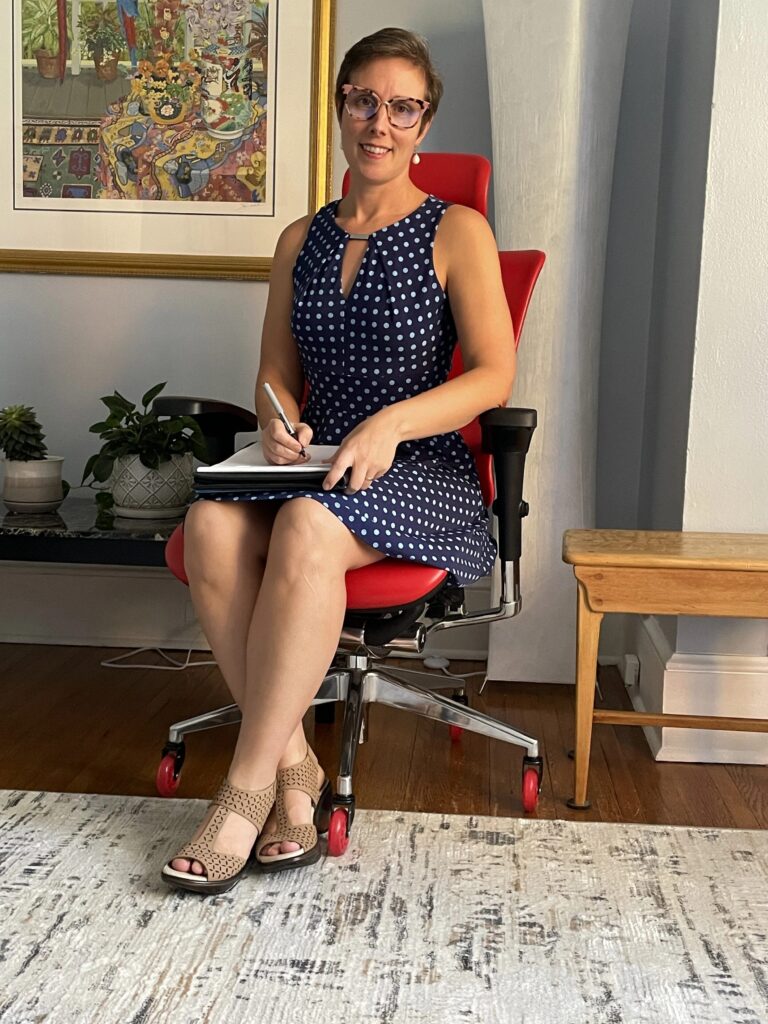
On 11/18 there was an information session by Findley-Van Nostrand and various psychology faculty presenting the new M.S. for Roanoke College to interested students. The session was coordinated with the help of Psi Chi board members at Roanoke College to make it happen.

Who is the M.S. in Psychology for?

The program prepares students for applying to a doctorate program or for a job. It does not provide any licensures so those wanting to be licensed would need to obtain it after if so desired. While the program does not get you a license, it does make you more competitive for doctoral programs!

How many are they accepting into a cohort and when is the application due ?

The program will be capped at 12 students for the Fall of 2026. They are accepting applications now until March 1st, 2026!

What does the coursework look like?

The masters is intended to train students to have advanced disciplinary knowledge in the different domains of psychology (developmental, psychophysiology, social and cognitive )and research skills. The curriculum includes professional development which makes it stand out among other similar programs. The professional development classes are designed to teach students how to publish research and prepare for a job.

Students will partner with a faculty member to work towards completing a thesis statement. They will work to complete research which has guaranteed funding for students to attend conferences and other professional development opportunities!

To Apply:

-Students need to have a bachelors degree in psychology or related field and must have a minimum of a 2.5 GPA

-Send in all transcripts for college course work

-Contact information for two people for letters of recommendation (at least one from a professor)

-Personal Statement (more information on the website)

-Preferences on a faculty member to work with

All information from this blog is from the site below and from the information session held on 11/18: https://www.roanoke.edu/academics/majors/psychology_master

Visit the site above if you have more questions or need more information!

Contact Danielle Findley-Van Nostrand if you have more questions or concerns Email: findley@roanoke.edu

Get Connected!

Society of Southeastern Social Psychologist Conference

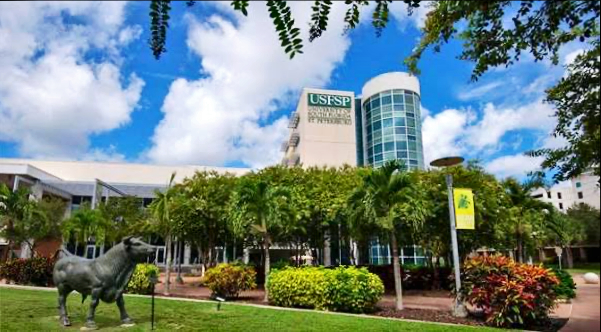
This year the conference took place in St. Petersburg, Florida between November 7th and 8th, 2025.

The Society of Southeastern Social Psychologists (SSSP) was created in 1978 by social psychologists at the University of Georgia. It has since grown into a welcoming community of more than 400 students, faculty, and professional psychologists across the United States. While its membership spans the nation, most participants come from states throughout the Southeast and attendance reaches around 200 each year. Each year, SSSP hosts its Annual Conference, a tradition that brings together personality and social psychologists for a day of research presentations, networking, and lively discussions. Known for its welcoming atmosphere, the conference highlights graduate and undergraduate student contributions and features interactive group lunches that encourage meaningful connections.

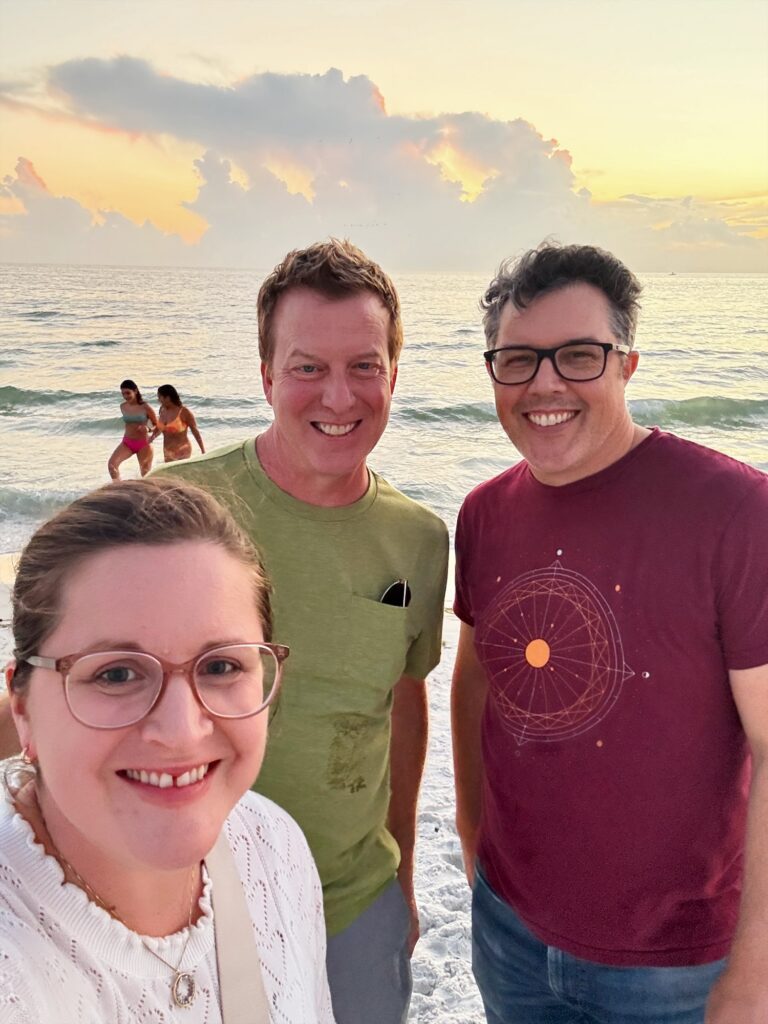
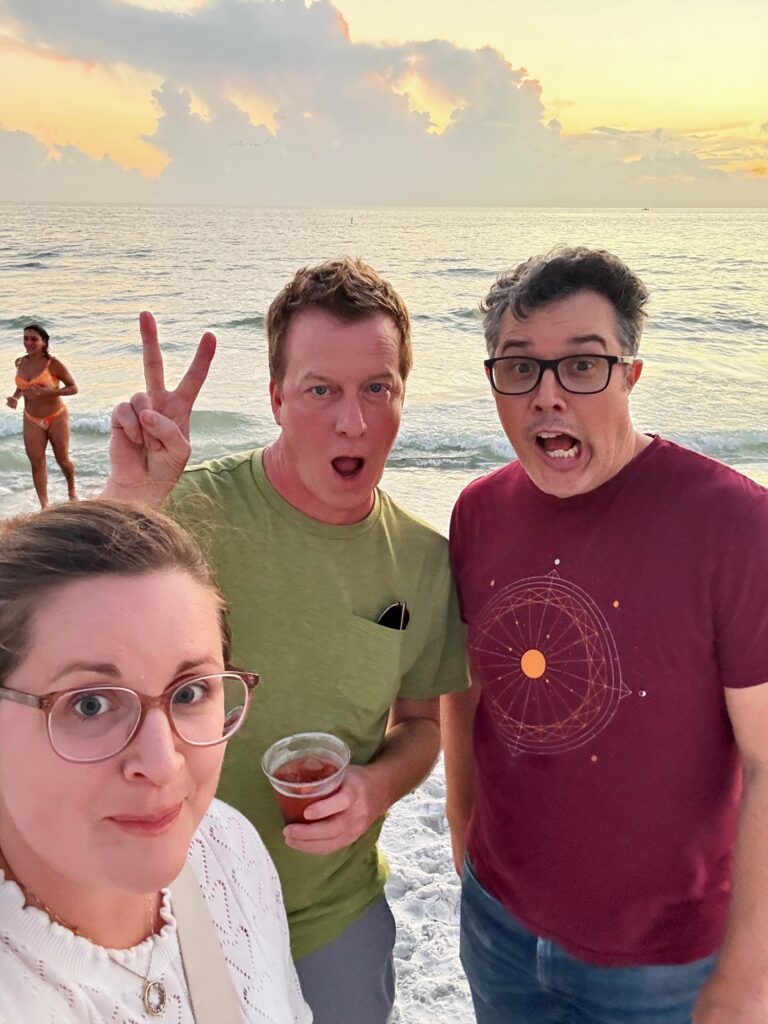
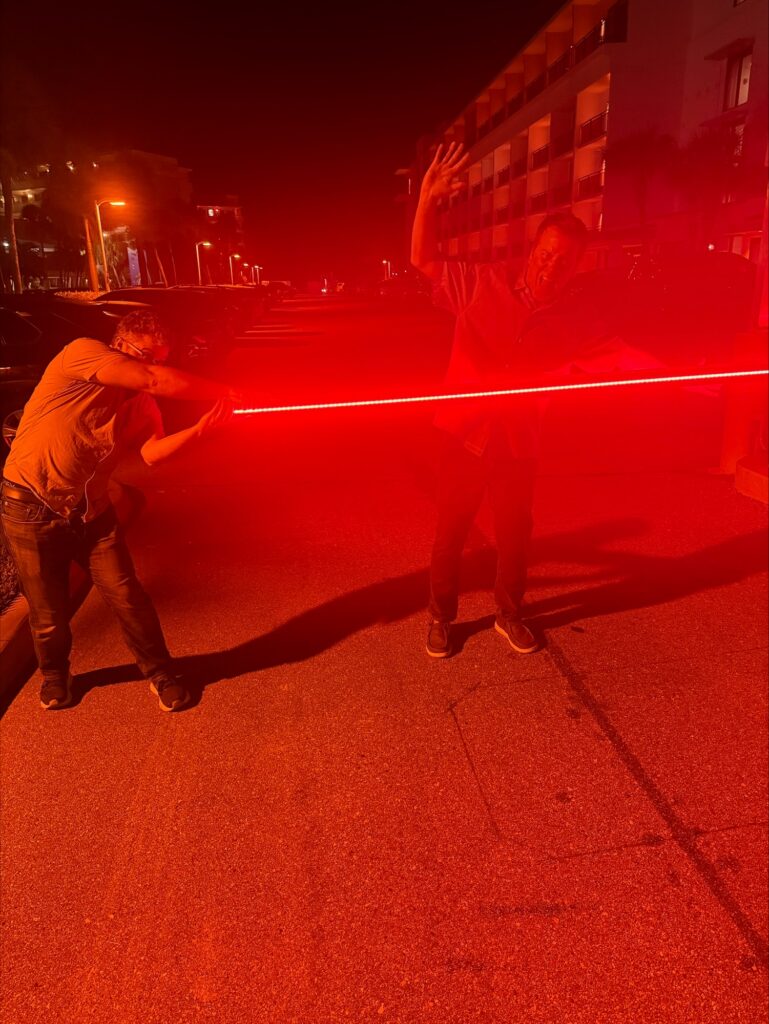
A few of our professors got the opportunity to attend this conference and present their research! They also enjoyed ending the night at the beach.

Dr. Travis Carter presented Response to unfair offers by political ingroup and outgroup members in the ultimatum game.

Dr. Christopher Buchholz presented Increasing mindfulness in the college classroom.

Dr. Danielle Findley-Van Nostrand presented Parents’ goals for popularity are related to different forms of (aggression and) prosocial tendencies in emerging adults.

The psychology team is hoping to bring future Roanoke College M.S. psychology students to present at this conference!

Source: https://spsp.org/events/society-of-southeastern-social-psychologists

Photos: taken by Dr. Findley-Van Nostrand

Formatting editing: Amelia Easter

Get Connected!

National Stress Awareness Day

National Stress Awareness Day is on the first Wednesday in November every year and this year it is on November 5th. Chronic stress over a long period of time can lead to health problems in the long run so we need to learn how to deal with stress appropriately.

What can cause stress?

There is a wide range of things that can cause stress and they can present differently depending on the person. Some examples of causes include:

  • Depression
  • Anxiety
  • Chronic illness
  • Grief
  • Guilt
  • Violence
  • Natural disaster
  • etc.

How does stress appear?

According to the American Behavioral Clinics, stress can look like these presentations:

  • Constantly angry or depressed
  • Feelings you are unloved
  • No sleep or trouble sleeping
  • Racing thoughts, constantly worried
  • Indecisive or make poor decisions
  • etc.

How do you deal with stress?

  • Increase stress awareness with education and mindfulness
  • Create a plan of your day to conquer it
  • Plan a day of things to make you laugh
  • Get proper sleep: it is recommended to have at least 7 hours as an adult
  • Exercise helps reduce stress and anxiety
  • Meditation and mindfulness: be more mindful in your thoughts to be present in the moment
  • Connect with others: share your feelings and emotions whether it is a friend or a professional

Source: https://americanbehavioralclinics.com/november-international-stress-awareness-day/

Get Connected!

Blog: https://psych.pages.roanoke.edu/
Facebook: https://www.facebook.com/rcpsychology
Linked In: https://www.linkedin.com/groups/RC-Psychology-8140491/about
Website: http://www.roanoke.edu/inside/a-z_index/psychology

Instagram: rcpsychology

A NEW ADDITION TO OUR PSYCHOLOGY FACULTY TEAM!

Dr. Katherine Kane joined the Roanoke College Psychology department in 2025 and we can’t wait to see how she excels our program!

Educational Journey/Interest in Psych/Research Interests:

Dr. Kane completed her undergraduate education at the University of Virginia (UVA), where she had the opportunity to take a course on the Psychology of Aging taught by Dr. Tim Salthouse. Dr. Salthouse is known for his research on cognitive changes associated with aging, particularly in processing speed. This course ignited Dr. Kane’s interest in geropsychology and inspired her to pursue research in the field. During class, Dr. Salthouse invited students to volunteer, which led Dr. Kane to work in his Cognitive Aging Lab for a couple of years.

She earned a master’s degree in Mental Health Counseling from Boston College, where she completed a practicum in Neuropsychology at the Boston VA Healthcare System (VAHCS). Dr. Kane realized she wanted to specialize in testing, so she shifted her focus to Clinical Psychology and obtained her doctorate from the University of Colorado Colorado Springs (UCCS), where she combined her interests in geropsychology and neuropsychology.

Dr. Kane completed her internship in Neuropsychology, followed by a two-year fellowship in the same field. She has independently practiced in various VA settings for over 11 years and is a board-certified clinical neuropsychologist. Since 2017, she has also been teaching primarily at the undergraduate level as a side gig.

Courses She Is Interested In Teaching:

INQ260 (Psychology in Media), Abnormal Psych, Geropsychology, and Neuropsychology, and she hopes to teach other courses!

Her Outside Interests Include:

Dr. Kane’s interests include keeping up with my family, sports photography (primarily of my kids’ sports), running, reading, and volunteering at school events, community organizations, and the firehouse.

When you see her, don’t be shy, say hi!

Get Connected!

Blog: https://psych.pages.roanoke.edu/
Facebook: https://www.facebook.com/rcpsychology
Linked In: https://www.linkedin.com/groups/RC-Psychology-8140491/about
Website: http://www.roanoke.edu/inside/a-z_index/psychology

Instagram: rcpsychology
NEW RESEARCH PUBLISHED!

We are excited to share the news- our very own, Dr. Kennedy-Metz, has contributed to research in a newly published academic journal. The collaborative work is entitled, “Delivery of oxygen during cardiopulmonary bypass and associated clinical outcomes among adult cardiac surgery patients: A systematic review”. We are so proud to have her on our team! You can read her publication on Sage Journals, here is the link to access it, or read the abstract below.

Abstract

Purpose

Oxygen delivery (DO2) during cardiopulmonary bypass (CPB) is critical in preventing postoperative complications in adult cardiac surgery. This systematic review aimed to assess the relationship between intraoperative DO2 during CPB, particularly within Goal-directed Perfusion (GDP) strategies, and associated clinical outcomes.

Methods

A systematic search of MEDLINE, Embase, Web of Science, PsycINFO, CINAHL, PROSPERO, and Cochrane was conducted from database inception through December 2024, adhering to PRISMA 2020 guidelines. Studies reported intraoperative DO2 measurements and their relationship with clinical outcomes among adults undergoing cardiac surgery with CPB. Data extraction and quality assessment were performed independently by two reviewers.

Results

Thirty-nine studies (71,050 patients) were included, with acute kidney injury (AKI) being the most frequently studied outcome (84.6% of studies). A consistent association was found between lower intraoperative DO2 and increased risk of AKI, intraoperative lactate elevations, and prolonged mechanical ventilation. Five randomized controlled trials (RCTs) demonstrated that maintaining DO2 levels, indexed to body surface area (iDO2), above a threshold of 270–300 mL/min/m2 significantly reduced the risk of postoperative AKI. However, evidence linking DO2 management directly to reductions in mortality or neurologic complications remains limited, as well as studies reporting compliance with GDP strategies.

Conclusion

Maintaining adequate iDO2 during CPB significantly reduces postoperative complications, especially AKI. These findings underscore the clinical relevance of GDP strategies, highlighting the importance of individualized perfusion management to optimize outcomes. Further large-scale RCTs are needed to confirm these benefits, standardize specific iDO2 threshold levels that are beneficial, and to explore strategies that impact mortality and neurologic outcomes, as well as investigate the role that temperature management plays in DO2 threshold determination.

Get Connected!

Blog: https://psych.pages.roanoke.edu/
Facebook: https://www.facebook.com/rcpsychology
Linked In: https://www.linkedin.com/groups/RC-Psychology-8140491/about
Website: http://www.roanoke.edu/inside/a-z_index/psychology

Instagram: rcpsychology

HIGHLIGHTING A NEW CONTRIBUTION TO RESEARCH!

We are pleased to announce that Dr. Findley-Van Nostrand, one of our esteemed professors, has been recently published. Her collaborative work entitled Victimization Forms, Depression and Self-Esteem Among Black/African American, White/Caucasian, and Hispanic Adolescentswas published on Springer Nature. Below is the abstract from the article or click on this link to access it here.

Abstract:

Background

Peer victimization peaks during adolescence and can have serious consequences for victims, but research on differences by race/ethnicity in the associations of victimization forms and emotional adjustment is limited.

Objective

To advance this research, this study examined self-reported physical, verbal, relational, and electronic victimization in relation to depression and self-esteem among Black/African American, White/Caucasian, and Hispanic adolescents.

Methods

Correlational survey data were collected from a diverse sample of 437 middle school students (282 girls; M age = 12.64 years).

Results

In the whole sample and within each race/ethnicity, verbal and relational victimization were the most common victimization forms. When controlling for each, verbal and relational victimization were uniquely associated with depression and low self-esteem for all three races/ethnicities (most consistently for White/Caucasian adolescents). Electronic victimization was uniquely associated with emotional adjustment only for Black/African American and Hispanic adolescents.

Conclusions

The findings support and extend existing research on race/ethnicity in peer victimization and emotional adjustment. They suggest that especially verbal and relational victimization are related to adolescent depression and low self-esteem across race/ethnicity groups, and minority youth may be at risk for emotional difficulties associated with electronic victimization.


Get Connected!

Blog: https://psych.pages.roanoke.edu/
Facebook: https://www.facebook.com/rcpsychology
Linked In: https://www.linkedin.com/groups/RC-Psychology-8140491/about
Website: http://www.roanoke.edu/inside/a-z_index/psychology

Instagram: rcpsychology