Latest

  • What Were Your Professors Doing All Summer?!

    As we dive into the new academic year, we thought it would be fun to share some highlights from the summer adventures of our psychology faculty members. From personal milestones to family escapades, our professors had a variety of experiences that added a splash of excitement to their summer breaks. Let’s take a closer look…


    Dr. Nichols’ Family Travels and Favorite Reads

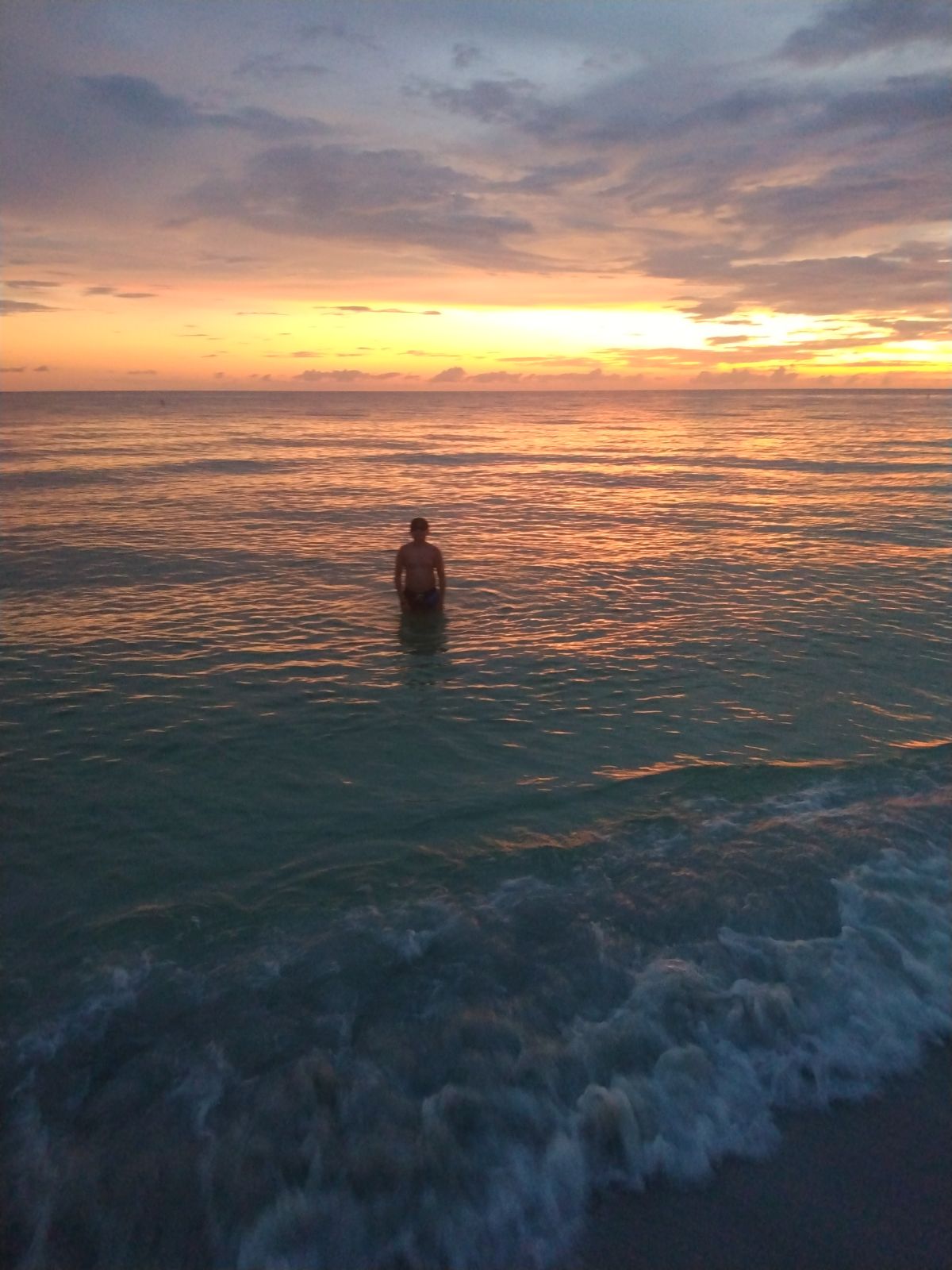
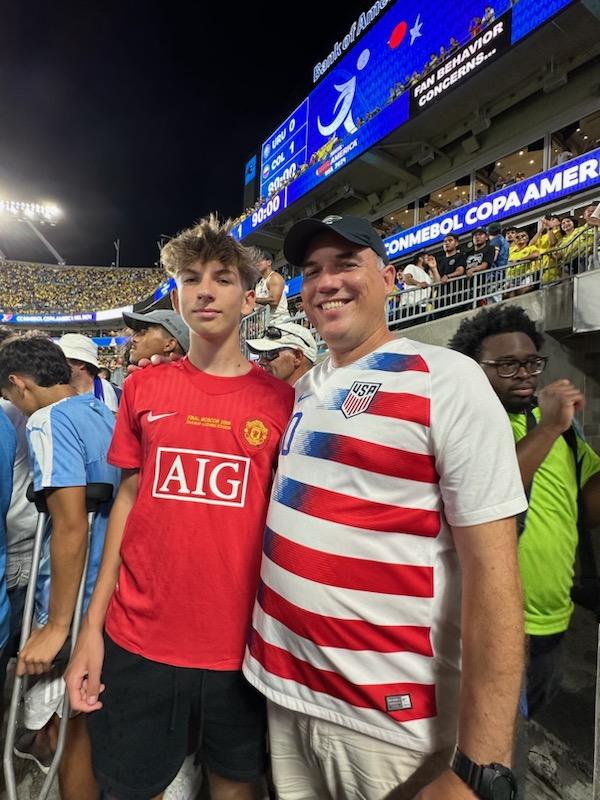
    This summer, Dr. Nichols and his family embarked on two major trips. The first was to Charlotte, NC, for the semifinal of the Copa America. The second was to Sarasota, FL, where they helped move his eldest daughter, Kennerly. The trip also included some relaxing time at the beach, as pictured above!

    Dr. Nichols also found time to revisit one of his favorite book series: Harry Potter. He’s reading through the entire series for the third time, this time with his youngest child, Jacob. Years ago, he read the books with each of his older children, and even with his wife while in graduate school.


    Dr. Findley-Van Nostrand’s Program Development and Hufflepuff Pride

    Dr. Findley-Van Nostrand’s summer was packed with exciting work. She’s leading the development of a psychology master’s program, a project funded by the Dean’s office. Along with others, she’s working on various components of the program and hopes to submit it for curriculum approval this semester.

    She also made headway with her research. She currently has two studies under review and another in preparation. One focuses on young adults’ relational aggression, particularly how their status striving and insecurity impact it. The other two studies examine adolescents, exploring racial differences in various forms of victimization (physical, relational, verbal, electronic) and how these relate to self-esteem and depression.

    For fun, Dr. Findley-Van Nostrand and her family spent time traveling, with the highlight being a couple of weeks in Tampa and Orlando visiting friends and family. They also enjoyed a visit to Universal Studios, where she and her son celebrated their shared Hufflepuff pride!


    Dr. Buchholz’s Camping and Canoeing

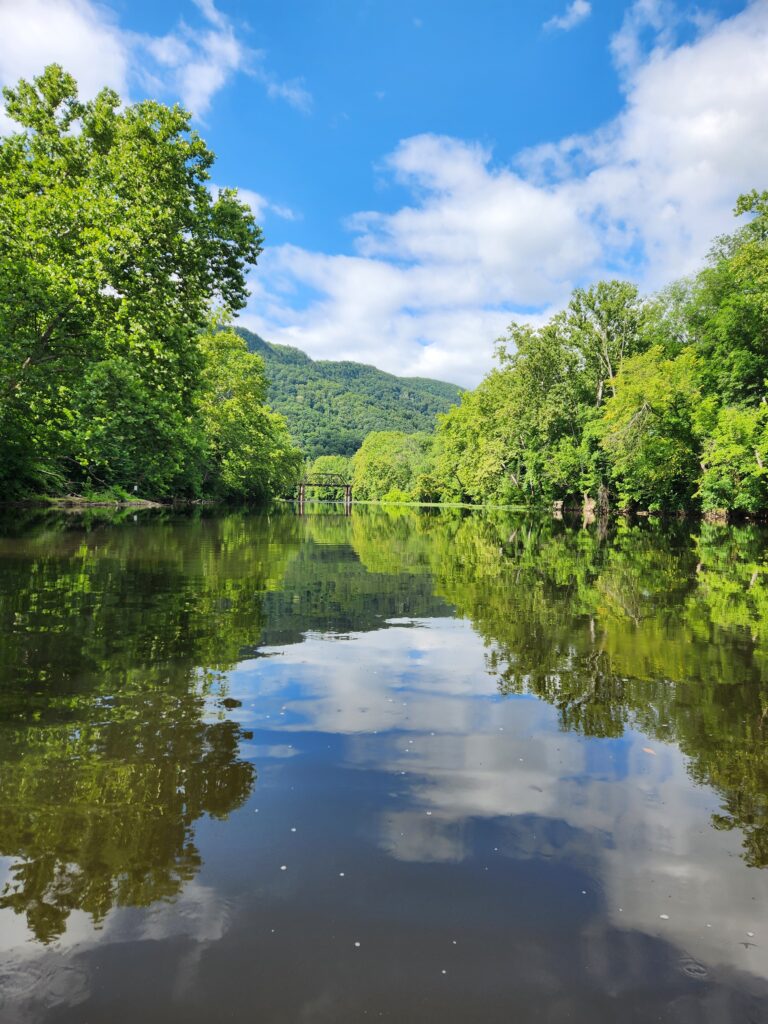
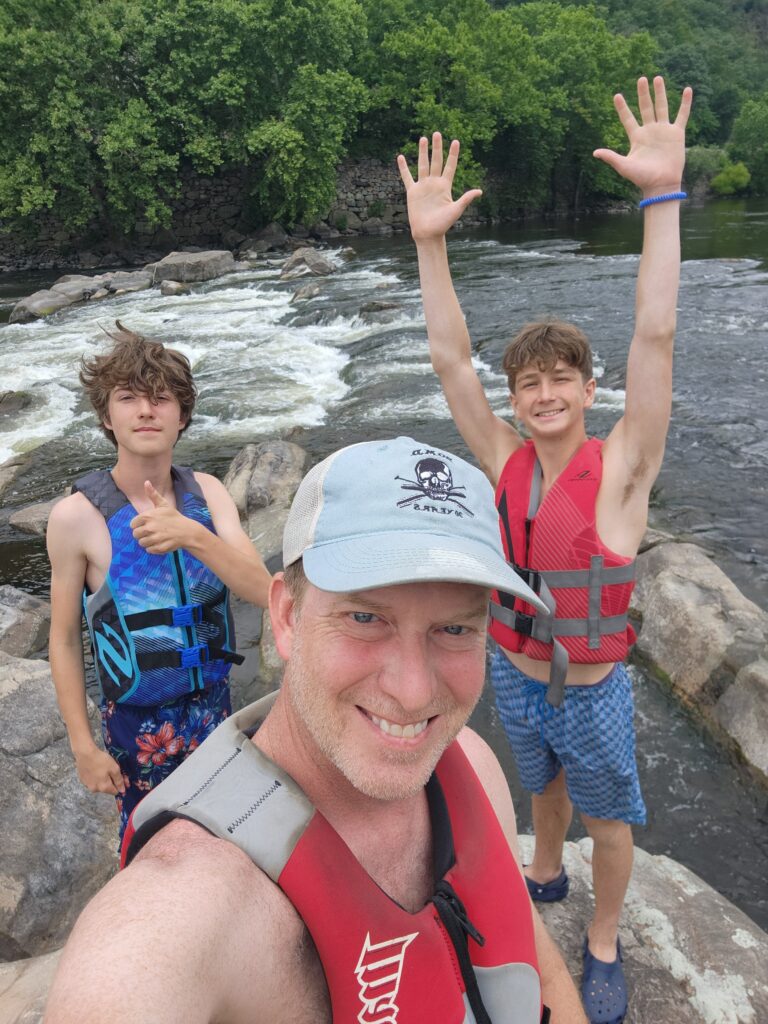
    Dr. Buchholz’s summer highlight was an unforgettable six-day, 45-mile camping canoe trip down the James River with his son and his son’s best friend. The adventure was surely magical, and something Dr. Buchholz will cherish forever.


    Dr. Bu’s Japanese Adventure

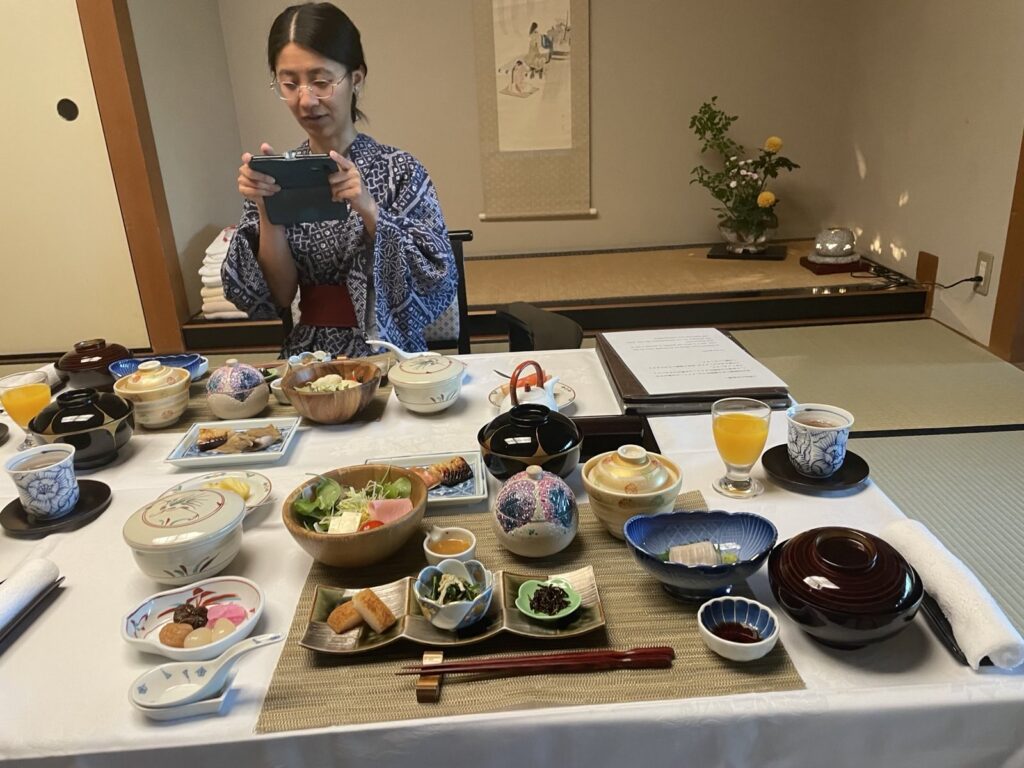
    Dr. Bu’s summer highlight was a trip to Japan right after the academic year ended in May. Among the many memorable experiences, staying at a traditional ryokan in Hakone (a spa town outside Tokyo) stood out. The meals, including the breakfast shown in the picture, were exceptional and left a lasting impression. Dr. Bu is already looking for excuses to return to Japan!


    Dr. Allen’s Milestone and Memories

    This summer, Dr. Allen had a significant personal milestone: receiving a cochlear implant in July! While the process of adjustment is ongoing, Dr. Allen is already hearing much better and is happy to share insights and answer any questions from any students curious about the experience.

    Dr. Allen’s favorite memory was a nostalgic visit to Chapel Hill, NC. It was a delightful reunion with a friend from graduate school, filled with reminiscing and laughter. As Dr. Allen puts it, “We may look like respectable middle-aged women with husbands and children, but stories were told.”


    Dr. Kennedy-Metz’s Research Achievements and Home Projects

    Over the summer, Dr. Kennedy-Metz had a rewarding season with the acceptance and publication of two significant manuscripts she worked on with her research group in Boston from her time at Harvard Medical School. The first, Deep Learning Analysis of Surgical Video Recordings to Assess Nontechnical Skills, is now available in JAMA Network Open. The second, A Novel Multimodal, Intraoperative Cognitive Workload Assessment of Cardiac Surgery Team Members, is in press with the Journal of Thoracic and Cardiovascular Surgery.

    Additionally, Dr. Kennedy-Metz had the chance to be a guest on the podcast “Heart Rate Variability,” though it’s not yet released.

    In a different realm, her, her husband Josh, and her mom, undertook a major home project, painting six rooms in just three days—what an endeavor!


    Prof. McCutcheon’s Program Development and Puppy Joy

    Prof. McCutcheon had a productive summer preparing for the launch of Roanoke’s new Disability Studies program, which is set to be an exciting addition to the Psychology Department.

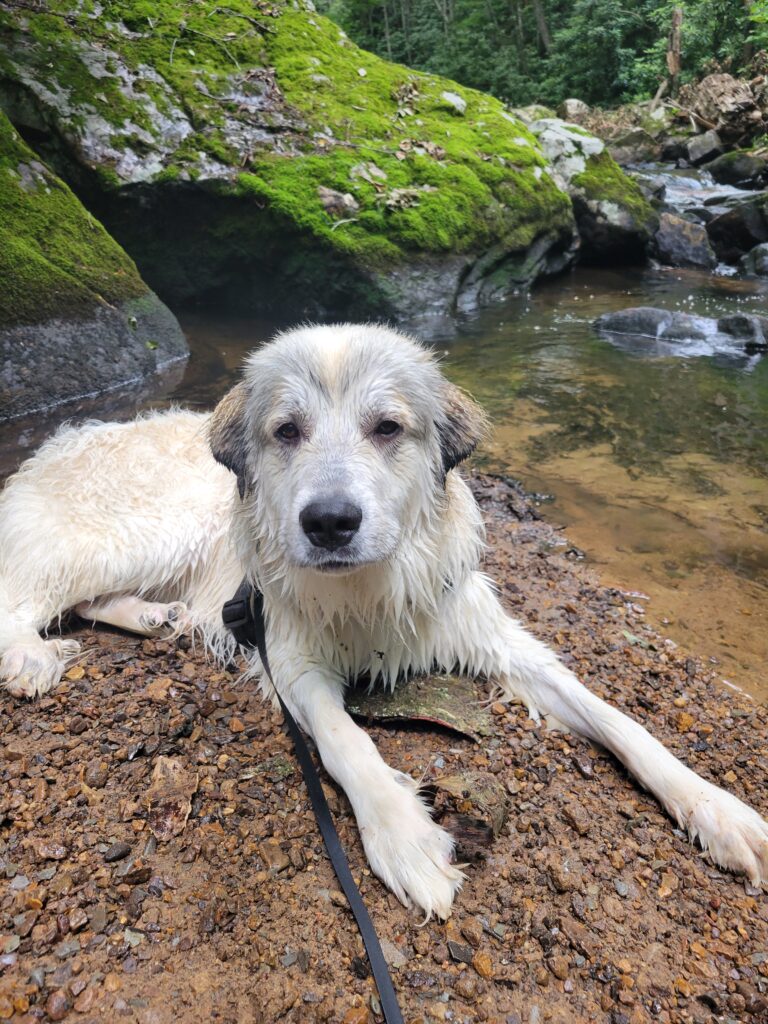
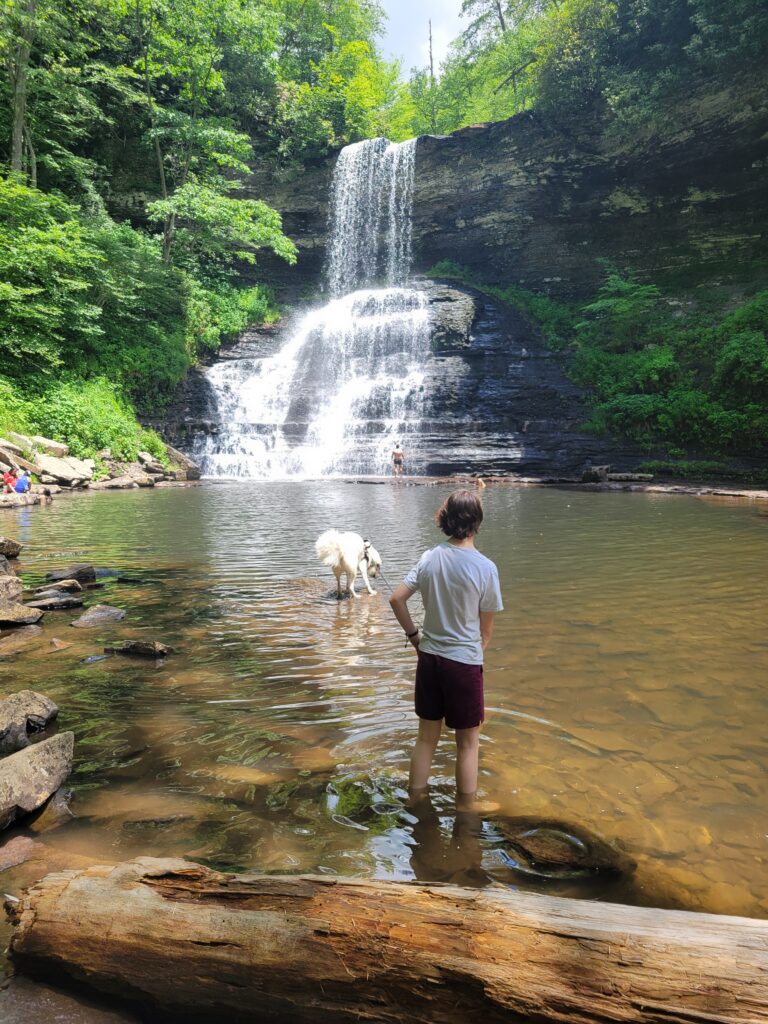
    But it wasn’t all work and no play! Prof. McCutcheon also had a fantastic time introducing her new puppy, Connor, to the joys of water. A memorable outing involved hiking to the Cascades, where Connor had a blast splashing in the creek and swimming. Check out these adorable pictures of Connor enjoying his new aquatic adventure!


    Prof. Garcia’s Family Time and New Opportunity

    Prof. Garcia’s summer was a whirlwind of family activities, shuttling her daughter to various camps, including tennis, theatre, dance, and soccer. Amidst the busy schedule, the Garcia family managed to sneak in a relaxing beach trip to Emerald Isle, which was a perfect way to unwind.

    Her summer wrapped up with exciting news: being offered a visiting position at Roanoke College!


    We hope you enjoyed this glimpse into the summer adventures of our psychology professors. Their diverse experiences and personal milestones remind us all of the richness of life outside the classroom. Here’s to a new academic year filled with continued learning and growth!

    Feel free to reach out to any of our professors if you have questions about their summer adventures or any of their exciting projects.

    Get Connected!

    Blog: https://psych.pages.roanoke.edu/
    Facebook: https://www.facebook.com/rcpsychology
    Linked In: https://www.linkedin.com/groups/RC-Psychology-8140491/about
    Website: https://www.roanoke.edu/inside/a-z_index/psychology

    Instagram: rcpsychology

  • ALUMNI HIGHLIGHT: PSYCHOLOGY & CREATIVITY PROFESSIONALS (PLUS ADDITIONAL BONUS FEATURES)!

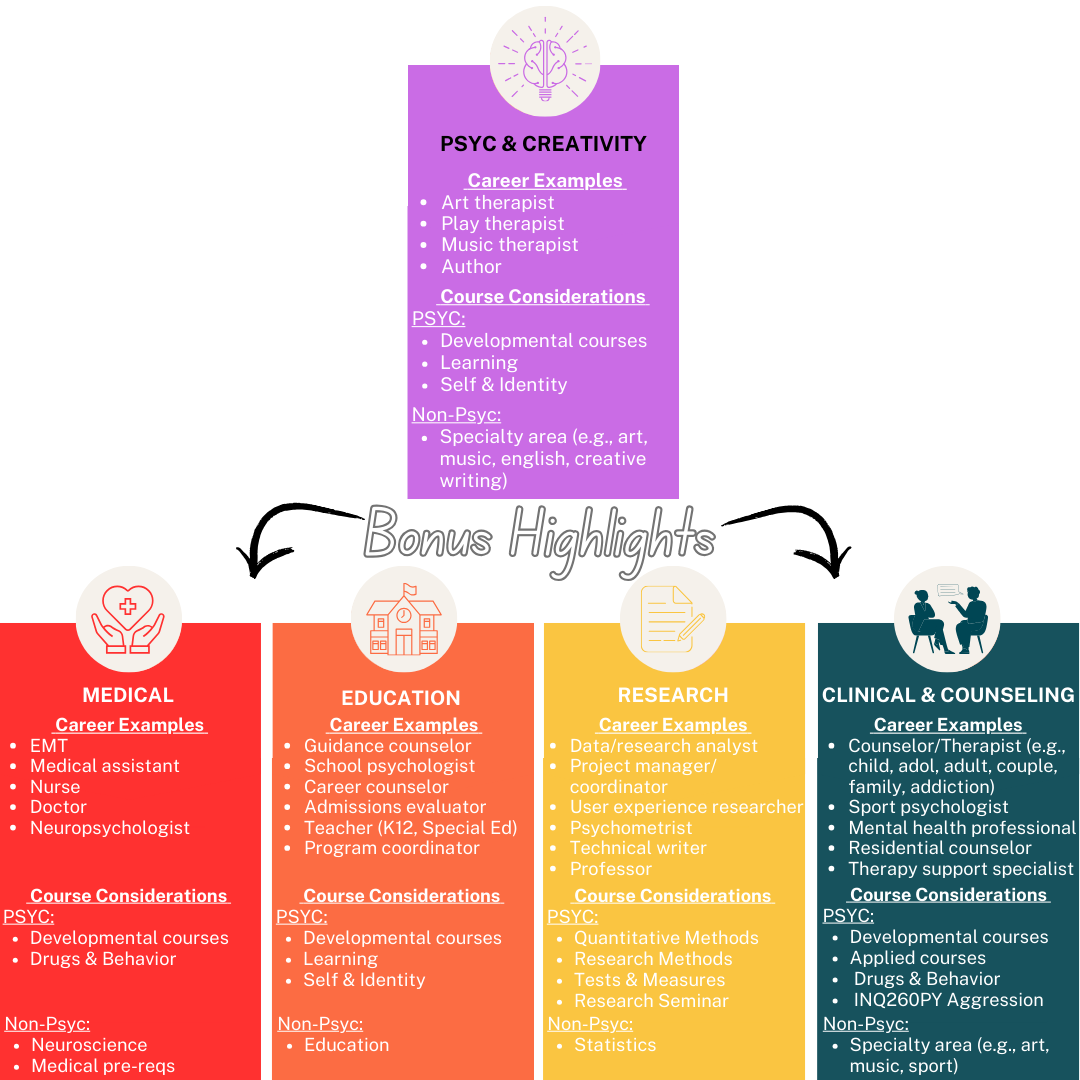
    Our final alumni highlight series will comprise of professionals on the career track of psychology & creativity, as well as some bonus highlights including alumni working as medical, education, research, or clinical and counseling professionals! Our bonus features intend to remind readers of a few of the many career tracks that we have shared throughout the series. As always, Roanoke students are encouraged to reach out for career advice. The Psychology Department is a great place to start — talk to your academic advisor, your course instructors, etc.! PLACE office also offers a range of resources, including career counseling, resume and cover letter assistance, job search strategies, and networking opportunities. In conjunction with PLACE, the Alumni Relations office can connect students with alumni mentors in their field of interest. Whether you’re exploring your options or preparing for your next steps after graduation, the Roanoke College community is here to support you on your journey. Check out some of the resources available to you on Roanoke’s “Preparing for Life After Graduation” webpage!

    Let’s now delve into the journeys of some professionals in the psychology field as we introduce our featured alumni for this week!


    How would Kinsey describe her role as a Resident in Counseling? 

    “I am a Resident in counseling which means I am working with clients every day to meet the direct hour requirements to become a licensed professional Counselor. I utilize Play Therapy to help children build self-confidence, understand their emotions, and resolve inner conflicts. I counsel all ages from 3 years old to 80 years old but my main focus is children.”


    How did Carly become a Kids Like Us Counselor? 

    “I got my Master of Arts in Art Therapy from The George Washington University in 2023. While I was there, I interned as an art therapist with a residential substance abuse rehabilitation center in DC, Washington DC Public Schools, the GW Art Therapy Clinic, and worked for GW as an Academic Coach. All of these provided such valuable opportunities for me to work with clients, learn how to use art for healing, process traumatic and stressful experiences with clients, and provide ethical and competent services. Working with folks in recovery also provided me with a deeper compassion for the youth that I serve and the ones in their lives that they worry about. All of these surely nurtured my passion for the work as well. In order to get my job, I talked to as many art therapists and counselors as I could find to get advice and wisdom related to their job searching. My networking really helped, and landed me an interview, a kind recommendation, and my current position. Since graduating, I have been working towards obtaining licensure for Counseling and Art Therapy in the DMV, as well as national certification for Art Therapy. All of this has been super helpful for me to find my way in the field.”


    What has Victoria been working on most recently?

    “I made great progress on a trilogy I’ve been working on for several years, the first two books of which can be found on Amazon under my pen name Victory Parsons – ‘The Forgotten Prince’ and ‘Forerunners.’ The final installment still needs a lot of work before it may be exposed to the public eye. The trilogy follows beings who can time travel and the tolls that such abilities can take on the mind, which basically means any major mental illness you can think of. Throughout the books, I play with other concepts like dreams, memory, consciousness, mortality, loss/grief, parenting and attachment styles, even drug abuse and some psychedelic ideas.”


    What does Sophia appreciate most about her current position? 

    “I’m a high risk Labor and Delivery nurse. I assist women during their labor and birth process… I love working with students and new nurses teaching and sharing the knowledge I have learned along the way. I have grown to appreciate working at a teaching hospital because of the collaboration with different members of the medical team (Residents, RTs, pharmacist) and using new products and research that enhance our patients’ experiences. I think birth is so fascinating and I don’t think I will ever stop being in awe of the human body! I also gave birth to my first child on the unit where I work so I have an all new appreciation for my coworkers!”


    What are some of Ally’s roles and responsibilities at Colorado State University?

    “I am a fully-integrated member of our department with an 80% teaching load, 15% research and 5% service (not adjunct). I teach undergraduate and graduate courses related to adult development and aging and lifespan development, and maintain a small research program as well. I typically teach about 4 classes per semester (Fall and Spring) and 1-2 in summer. My main courses include HDFS 201 Perspectives in Gerontology, HDFS 312 Adult Development and Aging, HDFS 412 Mental, Physical Health in Adulthood, and HDFS 434 Risk and Resilience Across the Lifespan, and HDFS 613 Adult Development and Aging (graduate level)… My research focuses on the connection between the subjective experiences of aging (e.g., age stereotypes and self-perceptions of aging) and how they affect health, mental health, and longevity… I also collaborate with community partners and CSU Extension professionals to conduct community-engaged research. For instance, I am working with Extension partners on the program evaluation of a farmers’ market-based program, in which we are also developing intergenerational learning opportunities to connect college students with older adults around fresh produce and healthy aging.”


    How did Bree become a Senior Multifamily Researcher?

    After earning her master’s degree from Nova Southeastern university in Program Development, she took a Child Life Exam during her clinical internship at Broward Health. She then worked as an Emergency Room Child Life Specialist at Inova Health System, and then at Bon Secours St Mary’s Hospital. She included, “I created a sensory friendly program at the hospital and started analyzing data from the sensory friendly program to make a difference in children’s healthcare experience and loved seeing results from that study so I then decided to  transition into higher paying research/analyst position at costar group / apartments.com but still have the opportunity to make a difference in investor and stakeholder decisions on multimillion dollar transactions, so while it is not child development centered it still allows me to feel rewarded knowing I’m making a difference through research!”


    What professional journey has Maya followed following her time at Roanoke College? 

    “I attended Roanoke College and obtained an amazing background in psychology. I decided to attend graduate school to become a school counselor at Virginia Tech. I have become knowledgeable in group counseling, substance use, trauma-informed care, crisis intervention, expressive arts, multicultural competency, and more. I went to a job fair and was hired by Roanoke City as full-time school counselor in an elementary or middle school.”


    From integrating Play and Art Therapies, to creative writing, these alumni showcase some of the many fulfilling careers that can await you following your psychology studies at Roanoke College.

    We also asked our alumni to reflect on the Roanoke courses or experiences that have been most relevant to their current careers.

    In terms of influential classes, alumni named PSYC-202 Research Methods, PSYC-204 Quantitative Methods, PSYC-221 Developmental Psychology, PSYC-321 Child Development, PSYC-344 Creative Thinking, PSYC-381 Abnormal Psychology, and PSYC-410 Research Seminar. Independent Fiction Author, Victoria Winnard included, “Basically I’ve incorporated a little bit of everything from the classes I took at Roanoke… Without a doubt my background in psychology has informed and deepened my writing.”

    Kinsey Overflet and Maya Lamprinakos’ both shared experiences of volunteering and/or interning at the West End Center, and how that shaped their career goals and further prepared them for life after Roanoke. Maya’s volunteer work even led to an internship, and then her current job!

    Additionally, Ally Brothers noted how she capitalized on experiential learning opportunities at Roanoke in saying, “Participating in Summer Scholars one year through the Honors Program and Psych department allowed me to do a deep independent study and customize my learning with close mentorship.” In reflecting on her internship, Ally added, “Dr. Jan Lynch served as the internship supervisor, and I remember that I did an internship with a brain injury rehabilitation center (such good experience). Dr Lynch and her husband invited all 15+ of us interns to their home and made us the best spaghetti with meat sauce, which we ate while gathering in their living room to discuss our internship experiences – we shared challenges, insights, and lots of laughter. The way she cared for and supported students was just remarkable!” 

    We understand that choosing a career path can be hard, and you will likely even change your mind somewhere along your journey! Internships are a great way to immerse yourself in a field of interest to you and discern what you truly want your future career to entail. Sophia Bolton Jennings best highlighted this in saying, “I hadn’t considered nursing as a profession until the end of my Junior year at Roanoke. I was completing an internship at a local drug rehab facility where I found myself more drawn to the nurses workflow than that of the therapist I was working with. Upon this realization I went to my advisor, Dr. Powell, and she worked with me to get my pre-reqs in order (this included a summer at Roanoke doing the anatomy and physiology intensive course – which I loved!). The following fall I completed the application process. Even though I made the decision to go to nursing school later in my undergraduate career, the process of preparing for and applying to schools was made simple by the easy access to my advisors, something Roanoke prides itself on.”

    Carly Schepacarter, MA, ATR-P, LGPC shared the immensely positive impact of undergraduate research on her professional journey. She wrote, “I cannot oversell the value of my research experience with Dr. Carter, my Honors in the Major project, and the extensive classroom instruction on research was to my success. It made research less scary and something that I feel confident in. This helped immensely in my graduate program to write my thesis and complete a research class, both of which were new and stressful tasks for the rest of my program. This has also helped in my job, where we are completing a 10-year longitudinal study and once again, my research knowledge and confidence has come in handy… It’s not something to be afraid of and knowing the ins and outs of a spreadsheet, literature review, and research study is one of my most valued assets.”

    Before closing out our final week of alumni highlights, we want to extend our sincerest gratitude to all of our wonderful alumni who have shared reflections on their time at Roanoke College, as well as details about their professional roles! Their stories serve as a true testament to the breadth of opportunities available after studying psychology at Roanoke College. We also want to thank you, our readers, for joining us on this journey of discovery and inspiration!

    As you consider your own path, remember that your experiences at Roanoke College can provide a strong foundation for whatever career you choose to pursue. Whether you’re interested in counseling, research, education, or any other field, the skills and knowledge you gain here can help you make a positive impact in the world. Don’t hesitate to reach out to your professors or advisors for guidance as you navigate your future career path.

    Get Connected!

    Blog: https://psych.pages.roanoke.edu/
    Facebook: https://www.facebook.com/rcpsychology
    Linked In: https://www.linkedin.com/groups/RC-Psychology-8140491/about
    Website: https://www.roanoke.edu/inside/a-z_index/psychology

    Instagram: rcpsychology

  • Alumni Highlight: Industrial-Organizational Professionals!

    Welcome to this week’s Alumni Highlights. We’re back to featuring a single incredible track in psychology: Industrial-Organizational. There are several career fields in which psychology is blended with other disciplines and Industrial-Organizational is one of those fields. Specifically, the Industrial-Organizational field blends knowledge from the disciplines of psychology and business! 


    How did Jordan become a Human Resources Generalist?

    Human resources was never really the position I thought I’d end up being in as a psychology major. I learned so much while earning my degree that I knew there were multiple paths that I could choose from. After receiving my degree from Roanoke, I went on to obtain my Master of Science degree in Industrial/Organizational Psychology from Northern Kentucky University. I/O Psychology is about the study of the workplace and learning about employee performance, employee satisfaction, organizational development, training and development, and much more. I learned more about how statistics is used in a workplace setting and what types of workplace processes and policies can come from data obtained by my employees. While earning my degree, I realized that human resources was a position in which encompassed a lot of what I learned and was a gateway into being able to make more of a difference for employees in a workplace setting.”


    What does Laura enjoy most about her role as a Senior Recruiter?

    Helping candidates navigate our interview process and eventually being able to extend offers! Creating that positive experience and being a part of their journey is extremely rewarding. I love that we can offer these programs and knowing this opportunity can change someone’s life is everything.”


    What is Kaitlin’s favorite part about being an Associate Consultant?

    Every project is different, and I really like that it allows me to constantly learn something new every day! One day, I might score an employee assessment or interview to predict who will be a good hire for an organization. Another day, I might work on writing development reports that focus on employees’ strengths and development areas for rising leaders in an organization. Some days I might help with brainstorming and creating a selection system with a client to ensure employees are being hired fairly and accurately. These are just a few of the many things I’ve worked on, and I really enjoy the close-knit team setting that makes this work fun!”


    What are some of Destinee’s duties as an Organization Development/Human Resources Coordinator?

    I assist and support in the design, implementation, delivery, and ongoing maintenance of people programs that improve employee experience and organizational effectiveness in various areas such as employee engagement, performance management, leadership development, career development, HR initiatives, and culture.”


    What responsibilities fall under Jessica’s role as a Personnel Psychologist? 

    “Essentially I work with a lot of data and concepts related to the human element of work. A few example topic areas I may cover include understanding what skills are needed for a certain position, how to best evaluate if a training is effective, ensuring that selection systems are valid, analyzing exit survey data, and designing a data management system for personnel related data.  These are just a few examples, but essentially if you think about data Human resources might collect, it is likely that someone in my field would be involved in some way!”


    From senior recruiter and Human Resources staff, to personnel psychologist, our alumni showcase some of the many opportunities within the field of industrial and organizational psychology. By sharing their experiences, these alumni hope to inspire the next generation of I-O psychology folks to explore and pursue their passions. 

    We also asked our alumni to reflect on the Roanoke courses or experiences that have been most relevant to their current careers.

    In terms of influential classes, alumni named PSYC-202 Research Methods in Psychology, PSYC-204 Quantitative Methods, PSYC-382 Industrial-Organizational Psychology, and PSYC-251 Social Psychology. 

    Several alumni noted how instrumental the Roanoke College faculty mentors have been to their success. Many of them had never known about the field of Industrial and Organizational Psychology before they were exposed to it either in their coursework, or through individual professional development conversations with faculty. 

    Alumni also highlighted specific research and internship experiences they had during their time at Roanoke that helped facilitate their successes after graduation. Kaitlin Busse mentioned both when saying, “[In] Dr. Powell’s research lab… I was able conduct research on an I-O Psychology topic area and present findings at the Society for Industrial Organizational Psychology conference” and “I interned in a variety of HR roles during my summers (e.g., talent management, learning and development) where I gained practical knowledge of what it’s like to do this work in a real-life setting.”

    Laura Pope, MS, sums up the sentiment shared by many of our alumni: “Truly, all of my experiences within the department helped set me up for success. I learned those invaluable ‘softer skills’ needed for a successful career (i.e., time management, problem-solving, working with others, achieving goals, etc), not to mention great general advice from professors.” These words echo the impact that Roanoke College’s psychology department and faculty have had on our alumni, emphasizing the value of both academic and personal development. 

    If this series hasn’t highlighted it enough yet, we highly encourage you to seek out professors who inspire you and be open to learn from our very own experts in the field!

    As Alumni Weekend approaches in just over one week, we look forward to showcasing our final set of alumni stories in the coming days. Stay tuned for next week’s spotlight on more than one exciting career path!

    Get Connected!

    Blog: https://psych.pages.roanoke.edu/
    Facebook: https://www.facebook.com/rcpsychology
    Linked In: https://www.linkedin.com/groups/RC-Psychology-8140491/about
    Website: https://www.roanoke.edu/inside/a-z_index/psychology

    Instagram: rcpsychology

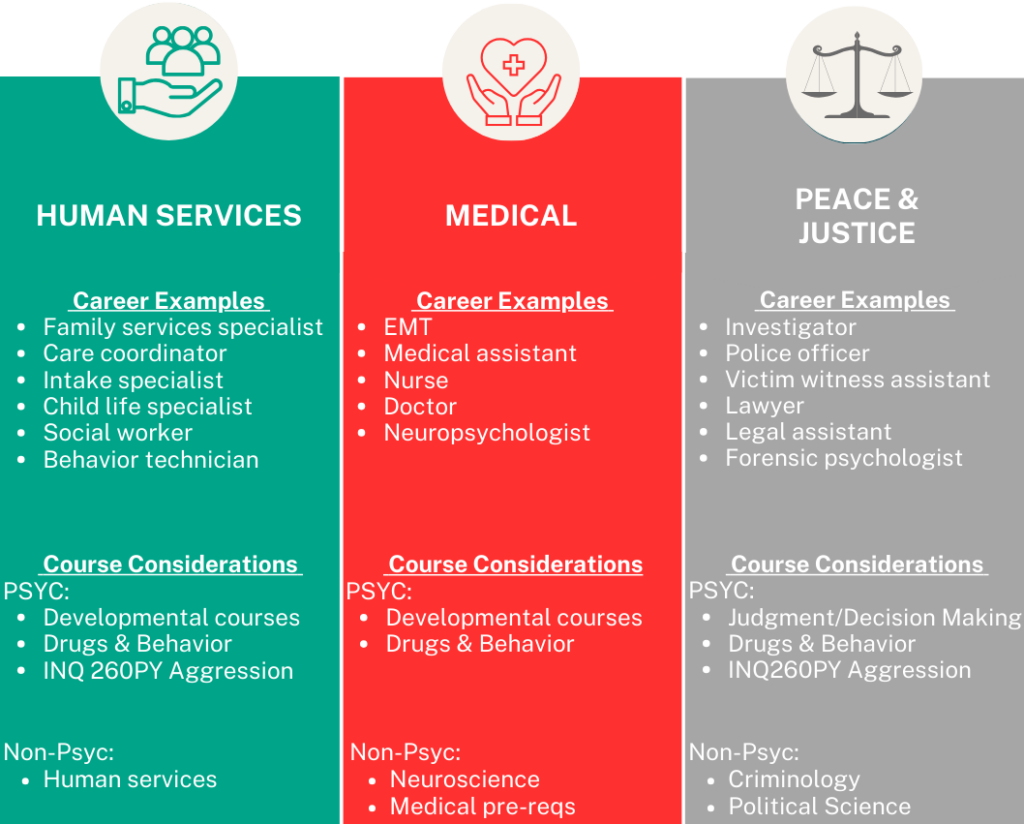
  • Alumni Highlights: Human Services, Medical, and Peace & Justice Professionals! 

    Welcome to this week’s Alumni Highlights, where we will feature not one, but three incredible career tracks in psychology: Human Services, Medical, and Peace & Justice. Following your read of this post, please feel free to explore the Roanoke Psychology Department’s Instagram and Facebook accounts as well. You will notice that we offer a more individualized highlight of each of our alumni on those platforms weekly! 

    Before jumping into our alumni’s stories for this week, we again want to thank our wonderful alumni who have generously shared reflections on their time at Roanoke College, as well as details about their professional roles today. Their stories serve as a testament to the breadth of opportunities available in the field, and the positive influence that Roanoke College can have on your future. If, as an alum, you would like to share your story for inclusion in a future post, please reach out to Dr. Powell (DPowell@roanoke.edu).

    Get ready to meet some outstanding alumni in Human Services, Medical, and Peace & Justice fields in this week’s spotlight!


    What does Victoria do as a Utilization Management Specialist?

    “It’s a mix of quality control and coordinating treatment plans for children in and out of the community. I review the treatment level of every foster child in a private foster care placement and assess if the treatment level is appropriate to their current level of need. Every level of treatment is a different daily cost rate, so part of the big picture of what I call quality control is ensuring public tax dollars are being used appropriately. CSA funds are public funds that are then reimbursed by the state at a varying percentage of a match rate. Additionally, I monitor the placement and treatment of every child placed in a residential treatment facility, whether they’re a child in foster care or a just child from our community where their parents still retain custody.”


    How did Allison earn her role as an APS Family Services Specialist?

    “Upon graduating from Roanoke College in December of 2021, I immediately began working as an Adult Mental Health Case Manager at Blue Ridge Behavioral Healthcare. This position helped me to foster important skills in the field including case management, rapport building, communication, and time management. This experience led to my current opportunity in APS.”


    What is Stephanie’s favorite part of her work?

    “My favorite part of my position is having the opportunity to work with kiddos and families. When we go into work with a family, often they are in serious need of support. It is immensely rewarding being able to make a difference in their lives by increasing their kiddo’s communication skills, social skills, and independence.”


    How would Alex describe her position to others?

    “The unit I work on is called the Polytrauma Rehabilitation Center/Comprehensive Rehabilitation Center (PRC/CRC) and is one of only 5 in the country. The PRC/CRC is a 18-24 bed acute inpatient rehabilitation unit for Veterans or Active Duty Service members who very recently sustained a brain injury (traumatic brain injury, stroke, brain tumors, anoxia/hypoxia, encephalitis, etc.) as well as some who are receiving rehabilitation for more orthopedic injuries. My role is to provide neuropsychological and psychological support. I work with my patients on assessing their cognition, tracking their cognitive recovery throughout their stay, and providing psychoeducation about recovery trajectory and expectations. Simultaneously I provide support for these patients as they adjust to their new circumstances and cope with what is often one of the most difficult life experiences so far for these individuals. I also work on an interdisciplinary team with occupational therapists, physical therapists, speech and language pathologists, vision rehabilitation therapists, recreation therapy, social work, nursing, and physician/physiatrist. I am also a clinical supervisor and supervise interns and post doctoral fellows.”


    What did Sydney’s path of professional development consist of?

    I shaped my professional career around my passion to encourage healthy and safe relationships. I placed being an advocate for those experiencing sexual and/or gender-based violence at the forefront of my career. During my time at Roanoke College, I served as a student liaison for the Roanoke Rescue Mission, a local homeless shelter, while also working remotely as a legal intern for a family law firm. Then I worked for an immigration attorney whose primary practice involved those obtaining U-Visas as individuals who experienced sexual violence crimes while in the United States. Which led me to attend Delaware Law School, Widener University serving as a domestic violence and child abuse advocate and obtain my Juris Doctor degree. My professional career focused on sexual and gender-based misconduct which ultimately led me to my current position where I get to encourage those relationships but also provide everyone the equal opportunity to access their education without sexual and/or gender-based misconduct.”


    What does Patrick enjoy most about his job?

    “My favorite part of the position is getting to conduct research in the field. Whether it be a clerk’s office, prison, or school – I like getting to speak with the people who are most impacted by my work… In my research I use Virtual Reality technology to better understand criminal behavior. Most recently, I spent six months traveling across prisons in the state of Pennsylvania, having individuals with a criminal history of burglary scout a virtual neighborhood for burglary targets. Through this project we better understand how burglars determine if a house is a good house to break into or not.”


    What does Naomi do in her role as a Graduate Teaching Assistant?

    In this position, I am helping instructors with grading assignments, providing feedback to students regarding their progress throughout the course. I enjoy the behind-the-scenes look at how many classes are structured and maintained throughout the semester.”


    The diverse and inspiring stories of our alumni in the Human Services, Medical, and Peace & Justice fields highlight the vast opportunities available across the field of psychology. From earning master’s degrees to becoming specialists and neuropsychologists, our alumni are finding great success following their time at Roanoke! Their journeys underscore the transformative impact of a Roanoke College education and serve as a testament to the countless ways one can make a meaningful difference in the world through the field of psychology.

    We also asked our alumni to share what Roanoke courses or experiences have served to be most relevant to their current career. 

    In terms of classes, alumni named PSYC-231 Biological Psychology, PSYC-251 Social Psychology, PSYC-321 Child Development, PSYC-322 Adolescent Development, PSYC-327 Interpersonal Relationships, PSYC-332 Drugs & Behavior, PSYC-381 Abnormal Psychology, and even statistics courses! Patrick McClanahan, PhD also included “Dr. Buchholz’s Social Psychology was one of the most influential classes I took. It really ignited my passion for research and wanting to understand how society and the individual interact, leading to different behaviors. Dr. Buccholz was always more than happy to sit with me and hear my questions and ideas.” Additional alumni also noted how impactful their concentrations have been throughout their careers, specifically the Human Development and Neuroscience concentrations. Concentrations are a great way to integrate a more specific area of study into your educational background!

    Other beneficial experiences that were said to make our alumni stand out in their graduate school applications and job interviews included research experiences, attending conferences, fellowships, and building relationships with their professors. Naomi H. Painter shared that her participation in a research fellowship program at Roanoke College enabled her to develop the skills, experience, and awareness that ultimately led her to her current role as a Graduate Teaching Assistant. Also, Sydney Quantock, J.D. expressed her gratitude for being able to build such wonderful connections with faculty in the department. She wrote, “I cannot thank Dr. Darcey Powell enough for her support and encouragement throughout my time at Roanoke College – your professors and advisors are amongst your biggest supporters, engage with them!” Professors and advisors can serve as wonderful role models and mentors. The Psychology faculty at Roanoke have a strong reputation for the high quality mentoring and advising they provide to help students achieve their career goals. Be sure to capitalize on their willingness to support you in your journey during and after Roanoke College!

    We look forward to sharing more alumni stories from the additional tracks in the coming weeks before Alumni Weekend. We hope you enjoyed this exciting three-track edition, and be sure to stay tuned for next week’s spotlight on another exciting career track!

    Get Connected!

    Blog: https://psych.pages.roanoke.edu/
    Facebook: https://www.facebook.com/rcpsychology
    Linked In: https://www.linkedin.com/groups/RC-Psychology-8140491/about
    Website: https://www.roanoke.edu/inside/a-z_index/psychology

    Instagram: rcpsychology

  • ALUMNI HIGHLIGHTS: RESEARCH PROFESSIONALS

    Let’s explore the realm of research professionals as we introduce our highlighted alumni for this week!


    Molly Reed: Project Manager at Schlesinger Group

    What is Molly’s role on her team?

    “I work in qualitative market research for a team that recruits participants for market research studies. My role as a project manager is to manage client relations and direct the team during the recruiting process.”


    Abbie Joseph: Clinical Research Coordinator at US Foot & Ankle Specialists

    How does Abbie describe her position to others?

    “I work with the doctors to conduct the day-to-day activities of clinical trials on medical devices that are not yet on the market. I see each patient weekly to collect all the necessary data to enter into the study databases. I also help recruit new research patients through advertisements and visiting other clinics in the community who may have qualified patients.”


    Nikki Hurless, PhD, NCC, LPC: Visiting Assistant Professor of Psychology at Tarleton State University

    How did Nikki become a Visiting Assistant Professor?

    “I started out in a clinical psychology doctoral program, but after 2 years I decided I wanted more training in counseling and therapeutic relationships, so I left with a master’s degree only. Then, I completed a doctoral program in counselor education and supervision where I learned the nuances of mental health and how to train new professional counselors. I taught at a master’s level counseling training program for 3 years before deciding I wanted to try teaching at the undergraduate level. Throughout this time I’ve also been a part-time counselor focusing on treating traumatic stress. My clinical work helps inform my teaching and I love having real-world examples to illustrate psychological concepts, diagnoses, and the counseling process. I also research topics including counselor development, the effects of self and external stigma, and queer-affirming strategies, among others. I wear many hats!”


    Rebecca Ward, PhD: Scientific Writer at Massachusetts General Hospital

    What are some of Rebecca’s duties as a Scientific Writer?

    “I write and edit research documents (such as grants and manuscripts), manage regulatory protocols (IRB, biosafety, animal safety), and educate trainees on scientific communications. In addition to this, I am currently setting up a writing center within the Department of Medicine and lead the MGB Scientific Writing Group.”


    Misha Digman Narducci: Senior Survey Programmer, Research Operations at inVibe, a division of THREAD

    How did Misha enter the field of research psychology? 

    “I obtained my first survey programming position with no professional work experience, I instead showcased my undergraduate projects on a portfolio website. The website showed that I knew the basics of the research process, including survey design and programming. From there, I was promoted to a senior position after gaining 2 years of professional experience.”


    Yipeng (Shaw) Wang: Senior User Experience Researcher at The Estée Lauder Companies Inc.

    What is Shaw’s favorite part of being a Senior User Experience Researcher?

    “I still do my favorite research and talk with all kinds of people! All the parts I like about psychology and humans can be found in this job! What’s more, it gives me a lot of satisfaction to see the feedback from my research in a relatively short period of time. The impact of the findings on the product involves a large number of users, and it is very rewarding for me to be able to make people’s experience of the product more user-friendly and comfortable. Plus: the pay is high! Probably one of the highest in the psychology field.”


    From project management and clinical research coordination to teaching and scientific writing, our alumni showcase some of the many opportunities within the field of research psychology. By sharing their experiences, these alumni hope to inspire the next generation of researchers to explore and pursue their passions. 

    We also asked our alumni to reflect on the Roanoke courses or experiences that have been most relevant to their current careers.

    In terms of influential classes, alumni named PSYC-202 Research Methods in Psychology, PSYC-204 Quantitative Methods in Psychology, and PSYC-410 Research Seminar: Psychology. Several alumni also mentioned the various credited research opportunities working in faculty member’s labs as being beneficial to their skill development, a few even completed Honors in the Major projects prior to graduating. Also noting the significance of her Neuroscience concentration courses, Rebecca Ward, PhD wrote, “The addition of the neuroscience concentration, coupled with the amount of writing required through the coursework at Roanoke, prepared me to think critically and better communicate science.”

    Nikki Hurless, PhD, NCC, LPC included, “My research methods class was a foundational component of my academic career. I loved learning research design – my instructor instilled a scientific curiosity in me that motivated me to get involved in as many research-related experiences as possible. In general, the psych department’s strong focus on writing has also been very useful to me in publications and in communicating my ideas at professional conferences.” Similarly, Yipeng (Shaw) Wang reflected by saying, “I do literature reviews, write research plans, conduct research sessions like interviews, usability testing and field research. All these skills can be traced back to my courses at RC.” These alumni’s reflections underscore the invaluable role of strong foundational education and practical experiences in research, highlighting the enduring impact of their time at Roanoke College on their professional journeys.

    Molly Reed wrote, “Working in the position I do [Project Manager], I only handle the recruitment aspect, but because of all of the research experience I gained during my time at Roanoke I feel like I have a deeper understanding of the overall picture, which makes me more effective at my job.”

    It’s great to see the diverse paths Roanoke College psychology alumni have taken in their careers! The emphasis on research and practical experiences in the Roanoke College Psychology Department curriculum clearly played a significant role in their professional development. We hope that current and prospective students will find their stories motivating as they pursue their own career paths throughout the field.

    As Alumni Weekend approaches, we look forward to showcasing more alumni stories from different tracks in the coming weeks. Stay tuned for next week’s spotlight on another exciting career path!

    Get Connected!

    Blog: https://psych.pages.roanoke.edu/
    Facebook: https://www.facebook.com/rcpsychology
    Linked In: https://www.linkedin.com/groups/RC-Psychology-8140491/about
    Website: https://www.roanoke.edu/inside/a-z_index/psychology

    Instagram: rcpsychology

  • ALUMNI HIGHLIGHTS: EDUCATION PROFESSIONALS

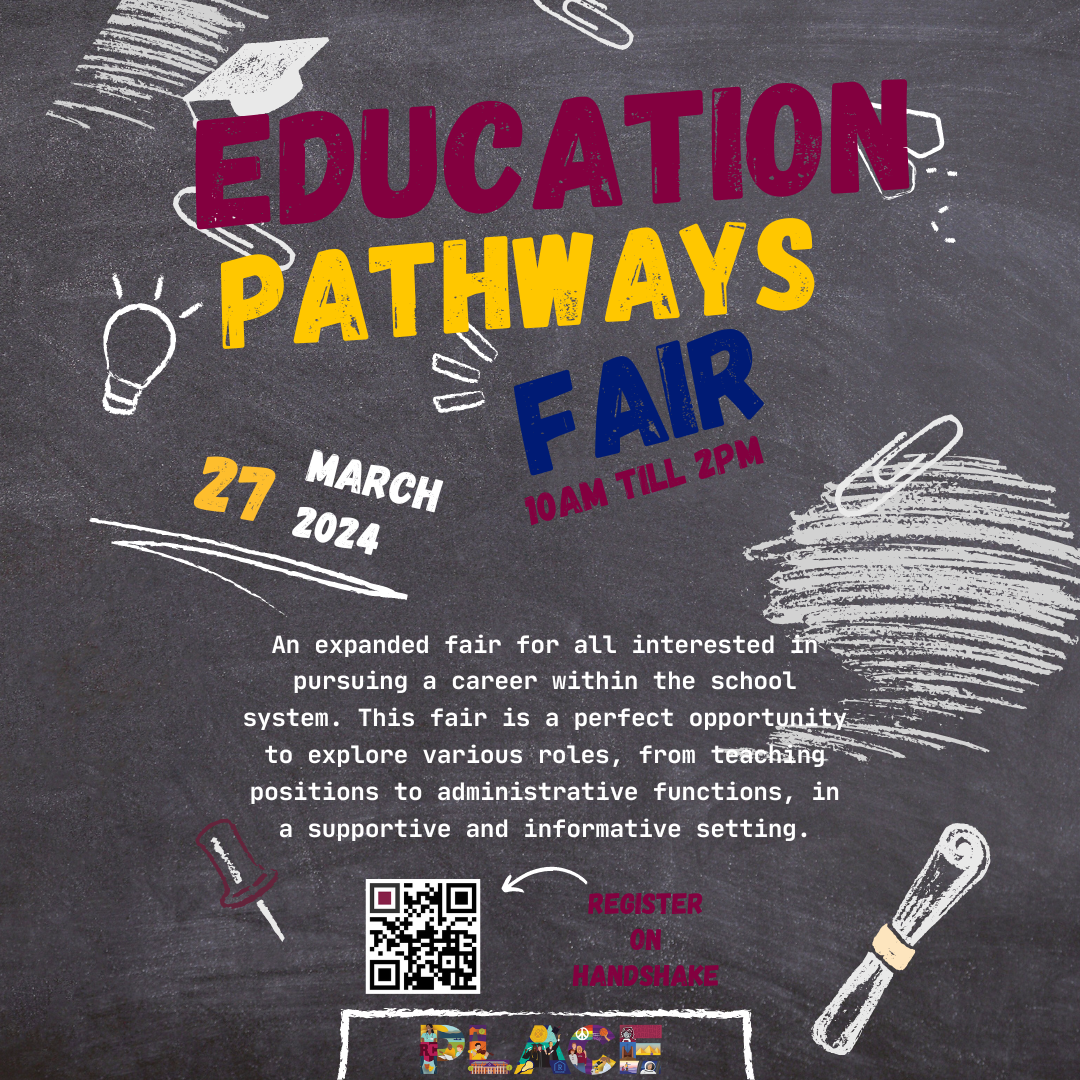
    Prior to highlighting another group of Roanoke alumni, we want to share an exciting opportunity with you! At the Education Pathways Fair next Wed (3/27), you can explore various roles within the school system, from teaching to administration. In addition to licensed teaching positions, this fair will showcase roles in human resources, communication and marketing, information technology, and more — reflecting the diverse pathways available in the field of education.  Swing by the Colket Center next Wednesday, March 27th, sometime between 10am and 2pm to learn more! Attendees are encouraged  to register via Handshake here.

    Once again, before jumping into our alumni’s stories for this week’s edition of the career tracks  series, we want to say thank you to our wonderful alumni who have generously shared with us reflections on their time at Roanoke College, as well as details about their professional roles. Their stories serve as a testament to the breadth of opportunities available in the field, and the positive influence that Roanoke College can have on your future. If, as an alum, you would like to share your story for inclusion in a future post, please reach out to Dr. Powell (DPowell@roanoke.edu).

    Let’s now delve into the world of education professionals as we introduce our featured alumni for this week!

    What does Hannah enjoy most about her position?

    “My favorite part about my position is that I am able to support children in a unique way! It’s already extremely difficult for parents to find opportunities for children with serious medical conditions and chronic illnesses, but when you add behavioral concerns and mental health challenges on top, it can feel impossible. If there is a concern, it’s my job to work with the parents/guardians to put a Camper Success Plan into place prior to their arrival on-site. We’re proactive on our end to ensure that their child can be successful with the appropriate accommodations and support – It’s like an IEP (Individualized Education Plan) for summer camp!”


    What is Allie’s role as a School Psychologist?

    “As a school psychologist, my role is to support students’ needs and specifically their ability to learn. I complete comprehensive assessments on students looking at their cognitive, academic, social, emotional, and behavioral functioning and help guide a team to determine if a student qualifies for special education services. A school psychologist’s role is vast, in that we wear many hats. We also help to promote and support a positive school climate, we collaborate and consult with teachers, parents, and other school staff. Overall, I apply what I have learned through my training to help students succeed academically, socially, behaviorally, and emotionally.”


    How does Vanessa explain her job duties to others?

    “I have a couple different aspects to my job. The first is I work closely with families who may need different services throughout the school year, whether that is coordinating angel tree or recommending/coordinating grocery deliveries throughout the year. The second is I work with students who are tiered for behavior (RTI-B). I observe and work closely with students who are either on formal behavior plans or informal positive behavior plans in order to help them succeed throughout the day. The last piece of my job is helping improve our student attendance at our school by implementing a variety of attendance programs.”


    How did Kiah end up in her position today?

    “While in Roanoke, I found it to be incredibly impactful when I was able to volunteer both with the Toys Like Me group on campus, in a school with a special needs population (BRAAC – Blue Ridge Autism and Achievement Center), as well as working with and volunteering for a local Roanoke city non-profit for students (TAP – Total Action for Progress) helped me to see that there are so many ways to support children beyond the confines of an office and that I wanted to work with students who otherwise might not be able to access individualized counseling. Following Roanoke, I took these experiences and was able to attend a Master’s Program specifically for School Counseling, where I was able to intern at a local middle school. Working in public schools allows support and access to students who otherwise may be unable to attend counseling in a private therapy setting, and makes me feel like I’m positively contributing to a large population of children!”


    As an Associate Director of Admission, what does Extree do?

    “I am currently overseeing the Diversity, Equity, and Inclusion (DEI) initiatives for the Office of Admission at Denison University. This role manages various specialty programs, including our Fly-in program, ‘Dialogue with Denison’. I also participate in application review, helping to shape the class of our incoming Freshman each year.”


    What does Alexandra value most about her position? 

    “Community: My dad works here and my cousin goes to school here so I get to see them weekly for lunch. University Lifestyle & Work/Life Balance: I spent 18 years of my life on an academic calendar, I might as well keep living it. I have the ability to manage your life and your work in a university setting. Fitness Forward: I work in athletics, therefore it’s common to leave during the workday to work out; it’s great to have that as a part of our culture. Team Mentality/ Collaborative: I get to assist the athletes, working as a team with the other departments (sport psych, DEI, athletic counseling, academic advisors). It is more satisfying to help when you are a part of the team. Opportunities to try on different hats: Not only am I doing mental health counseling, leadership and sport psych work but I have an opportunity to try different things like event planning, or study abroad coordination.”


    What is Camryn’s favorite part of her role as an Admission Counselor?

    “I love working with our prospective students and traveling to meet them in their comfort zones. It really is an honor to be invited into these students’ lives, walk beside them during one of the scariest chapters of their lives, and be a champion for them.”


    What does Claire’s position entail?

    “In my current role, a large chunk of my time is spent working directly with students who seek support with issues and topics such as relationship struggles, family/home-life challenges, executive functioning skills, stress management and anxiety, and others of the like. I also design and implement social emotional learning curriculum and support the college & career planning program. I also give presentations and trainings to faculty and communicate regularly with faculty about ways to support students in the classroom. In addition, I respond to crises, conduct risk assessments, and collaborate with parents and medical professionals to support student needs. Even as I was writing these responses, I was called away to support a student experiencing a panic attack.”


    These alumni showcase the fulfilling and varied career paths available in the field of education, and related to psychology. Each alum’s story showcases their impact in various roles within schools and communities, from supporting children with medical conditions to promoting positive school climates.

    We also asked our alumni to reflect on the Roanoke courses or experiences that have been most relevant to their current careers.

    In terms of influential classes, alumni named PSYC-101 Introduction to Psychology, PSYC-221 Developmental Psychology, PSYC-241 Cognitive Psychology, PSYC-321 Child Development, PSYC-322 Adolescent Development, PSYC-327 Interpersonal Relationships, PSYC-351 Personality, PSYC-354 Evolutionary Psychology, PSYC-381 Abnormal Psychology, PSYC-390 History of Psychology, PSYC-415 Tests and Measurements, and even MayTerm courses!

    Exree Hipp also included that “The courses taught me a lot, but it’s the bigger picture that counts. The liberal arts education and fantastic faculty at Roanoke—that’s what really made the difference. I picked up more than just textbook knowledge. Critical thinking and managing my time became crucial, and I learned it’s okay to ask for help when you need it… Basically, it’s not just about getting a degree; it’s about all the extra skills and support you get along the way that really shape your journey.”

    The Roanoke College community has served to build a wonderful environment that enables success for its students. Claire Kirchoff, MEd wrote, “…from the moment I became a psychology major my freshman year, I knew it [Roanoke] was the place for me. The collaborative and collegial atmosphere of the department supported me through so many challenging courses, and I was able to do so much more with my time than friends at other colleges were able to do, like working with Dr. Powell for research, having internships at Carilion Roanoke Memorial and Salem Montessori School, taking courses that were genuinely interesting.” Many alumni also expressed great gratitude to the professors who helped them along their way. Alexandra DiFelice had nothing but appreciation for Dr. Powell in saying that, “Dr. Powell’s support, and the opportunities she encouraged us to take positioned me to achieve things (like getting published in a journal) possible. She spent years with me after I graduated helping me apply to graduate schools, and helping me get published. She is the reason so many of us are successful in what we do.” In addition to Alex and Claire noting their time working in Dr. Powell’s lab, the support from Dr. Findley-Van Nostrand and Dr. Buchholz’s were also explicitly mentioned. It is not the specific courses alone that make Roanoke so special, rather it is the community that fosters curiosity and the desire to seize opportunities. Our featured alumni serve as wonderful examples attesting to just that. 

    Many alumni also emphasized the significance of their internship experiences. For instance, one alumni interned at a summer camp, which eventually led to a full-time position following their graduation! Others interned at various organizations, including Salem High School, the Philadelphia Union Soccer Academy, and the University of Pennsylvania, all gaining valuable experiences that have contributed to their current roles. Each experience underscored the pivotal role internships play in shaping career paths.

    We are excited to share more alumni stories from other tracks in the weeks leading up to Alumni Weekend. Stay tuned for next week’s spotlight on another exciting career track!

    Get Connected!

    Blog: https://psych.pages.roanoke.edu/
    Facebook: https://www.facebook.com/rcpsychology
    Linked In: https://www.linkedin.com/groups/RC-Psychology-8140491/about
    Website: https://www.roanoke.edu/inside/a-z_index/psychology

    Instagram: rcpsychology

  • Alumni Highlights: Clinical and Counseling Professionals

    The paths taken by our alumni offer valuable insights and inspiration for current Roanoke students as they contemplate their post-graduation plans. We are thrilled to showcase the diverse and impactful careers of a subset of students who graduated from Roanoke College with a degree in Psychology! Each week, until the ever-famous Alumni Weekend (April 19-21), we will be highlighting professionals within a specific career track. The graphic below displays the specific tracks that we will feature!

    Before we jump into our alumni’s stories, we want to say thank you, again, to our wonderful alumni who have generously shared with us reflections on their time at Roanoke College, as well as details about their professional roles. Their stories serve as a testament to the breadth of opportunities available in the field, and the positive influence that Roanoke College can have on your future. If, as an alum, you would like to share your story for inclusion in a future post, please reach out to Dr. Powell (DPowell@roanoke.edu).

    How would Taylor describe her position to others?

    “I am a clinical therapist who works with adolescents, adults, and couples with varying mental health concerns… My approach is Cognitive Behavioral Therapy and Solution Focused therapy with person-centered care… As the company’s Culture and Communications Coordinator, I am in charge of creating a fun and positive culture at the company by organizing activities for team bonding. In my communications role I go out into the community and give talks to schools about various mental health topics, as well as promote the company at primary care offices for referral purposes. I am also on the marketing team for L&B and you can find many videos of me promoting mental health topics on our social media.”


    What is Kira’s favorite part about her job?

    “When a child shows progress in communicating, or when they meet other goals such as joint attention or functional play. It always brings me joy when it seems that something finally clicks!”


    What did Kelsey’s path look like, following her time at Roanoke College?

    “I received my MSW and went on to get my Clinical Social Worker License. While at Roanoke, I had an internship with the VA working with older adults in an at-home care program. After graduate school, I coordinated care for older adults in living HUD-subsidized affordable housing. My current full-time position is with a non-profit senior living agency.”


    What is Morgan’s favorite part about her job?

    “My favorite part of my position is being able to connect with people. Humans are interesting and unique, so I never have a uniform day at the office. I am rarely certain about what my clients may bring week to week, which challenges me to continue learning on the job. I especially love working with couples and families because they are so dynamic. I often witness special moments in real time, which is a part of what makes this work so fulfilling. Additionally, it is always a gift to walk the journey of life alongside others, supporting, caring for, and hopefully ushering them to health and happiness.”


    What path did Cedric take to end up in his current role?

    “In addition to obtaining my Bachelor’s degree from Roanoke College my educational journey includes obtaining my Master’s degree in professional counseling, licensure from the VA state board and now several others. Formational moments within my work experience included my residency at Blue Ridge Behavioral Healthcare, an Acting Director position at Shenandoah University’s Student Counseling Center which finally inspired me to open my own mental health counseling practice.”


    How would Cody describe his day-to-day duties?

    “Primary Care Mental Health Integration at the VA (PCMHI for short) provides brief mental health services to Veterans and conducts the initial assessment and referral process for more intensive care. As a psych tech (and a newly added position to the team) I have my hands in a lot. I am on-call to see folks same-day in primary care to conduct assessments and referrals, I help conduct group therapies, I complete referral management to administer screeners and ensure Veterans attend their initial therapy intakes, I conduct brief alcohol interventions and follow-up tobacco cessation appointments, and I do some light data tracking for our clinic. This is besides the other random responsibilities and tasks that come up weekly!”


    What is Sophie’s favorite part about her internship?

    “I love this work so much, and I think a big part of the reason is that I get to use both my creative and investigative sides. Young children can’t always tell you how they feel, but by using expressing arts techniques, I can help them show me.”


    What does Kelsey do as a Recovery Support Specialist?

    “I work at an outpatient detox center for opiates, alcohol and benzodiazepines. I help guide patients into their first steps in recovery after completing their detox by providing talk therapy, resources in their community (therapists, psychiatrists, and/or substance use programs) and by facilitating weekly support groups.”


    What is Lauren’s favorite aspect of her work?

    “It’s inspirational; watching someone come from horrible circumstances like jail, homelessness, addiction, poverty, trauma, etc., and seeing them grow into productive members of society is amazing… You develop amazing relationships with people, and you learn something from them every day, just as they learn things from you. That doesn’t mean that working as a therapist (especially in substance use) is easy, because it’s not – but it really is so rewarding when someone who has been using substances for 10+ years shows you their 30 day NA key tag. Even on the hard days I love my job because I know that I’m making a difference, and in this field, sometimes you are literally the difference between life and death for someone.”


    How would Amy describe what her duties are?

    “I provide therapeutic services to first responders in Western North Carolina with a primary focus on Asheville’s fire and police departments. However, my job is not typical for a therapist. The embedded component of my job means that I work intertwined with the firefighters and officers on a daily basis. I spend time in each of the stations and get to ride along regularly to help create greater connection and decrease the stigma of mental health within the first responder community.


    How did Megan reach her current position; what did the timeline look like for her?

    “After graduating from Roanoke, I worked for a nursing home as part of the social services team. I then went to Virginia Commonwealth University for my Masters of Social Work with a clinical concentration which included two years of internship experience. After I graduated, I worked in outpatient therapy settings and participated in licensure supervision to gain the hours of practice to qualify for licensure examination to become a Licensed Clinical Social Worker.”


    What does Kaillee value as her favorite parts of each of her positions?

    Adjunct professor: “Seeing my student’s reactions to new and interesting topics. Most of my students have an interest in forensic psychology which I studied in my Master’s program, so bringing in elements of forensic psychology and tying it back to our development has been insightful to my students and it is exciting to see them become so engaged in these new topics.”

    Trauma-informed counselor: “Seeing clients learn and take skills from sessions, apply them to their routine, and experience improvement in their mood and well-being. As I work with a lot of survivors of crime, getting back into a daily routine can be challenging but when small signs of progress are made and noticed, it goes a long way in treatment.”


    These alumni stories exemplify the diverse and rewarding career paths available in clinical and counseling psychology. From working with individuals, couples, and families to providing support in community settings, each alum’s reflection demonstrates the impact they are having in their work with others.

    We also asked our alumni to share what Roanoke courses or experiences have served to be most relevant to their current career. 

    In terms of classes, alumni named PSYC-101 Introduction to Psychology, PSYC-251 Social Psychology, PSYC-332 Drugs & Behavior, PSYC-381 Abnormal Psychology, PSYC-221 Developmental Psychology, and many noted their courses for the Human Development concentration. Taylor Kracht, LCMHC also included that “Roanoke’s class difficulty levels made it so that I was well beyond prepared for the requirements of a counseling graduate program”. So, while you may feel overwhelmed at times, know that your professors are serving you well and helping you prepare for life after college.

    Other beneficial experiences that were said to make our alumni stand out in their graduate school applications and job interviews included research experiences, having their research published, and completing relevant internships. Many alumni also expressed great gratitude to the professors who helped them along their way; Dr. Allen, Dr. Powell, and Dr. Buchholz were specifically named!

    Amy Conner, MS, LCMHC says “I credit a lot of where I am today to my experience at Roanoke”. Similarly, Kaillee Philleo, MA, MHC-LP shared, “I truly mean it when I say Roanoke College gave me all the foundational skills and experiences I needed to be successful in grad school and my career as a counselor and professor. I will forever be grateful for the opportunities and support I was able to experience from the Psychology Department at Roanoke”. The department is so grateful to have received such positive responses from our alumni, and are appreciative of their willingness to share their inspiring journeys with us all! 

    We look forward to sharing more alumni stories from the additional tracks in the coming weeks before Alumni Weekend. Stay tuned for next week’s spotlight on another exciting career track!

    Get Connected!

    Blog: https://psych.pages.roanoke.edu/
    Facebook: https://www.facebook.com/rcpsychology
    Linked In: https://www.linkedin.com/groups/RC-Psychology-8140491/about
    Website: https://www.roanoke.edu/inside/a-z_index/psychology

    Instagram: rcpsychology

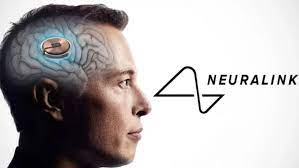
  • Elon Musk announces first successful Neuralink Implant

    January 29, 2024

    **This post has been edited to reflect more recent information**

    In an X (formerly known as Twitter) post, Elon Musk announced that Neuralink has successfully implanted its first brain-computer chip into a human. He says the patient is “recovering well.”

    Neuralink is a company whose mission is to improve the lives of people with severe mobility challenges. The focus is specifically on quadriplegia and amyotrophic lateral sclerosis (ALS), both of which are debilitating diseases affecting movement intention and control. Neuralink hopes to use their technology in the future to blur the lines between human brain and computer. That is, they aim to bridge the gap between our conscious experience and the digital world.

    However, according to recent sources, there is no peer-reviewed evidence to suggest Musk’s implant was a success, nor is there evidence to suggest that the chip was implanted. In addition, although the news has focused on Neuralink, there are scores of other companies developing similar technology: Kernel, MindMaze, EMOTIV, Blackrock Neurotech, and others. Musk’s deception of the IRB in addition to his breech of ethics has, according to The Guardian, resulted in a federal inquiry into Neuralink’s research practice. Perhaps the most concerning, and likely the catalyst of this inquiry, is a report detailing how the company euthanized at least six monkeys at the request of veterinarians due to significant health issues.

    There are, of course, ethical standards that must be kept to ensure patients’ privacy is protected. This is especially important given Neuralink’s ultimate goal, which is to allow humans to control technology with their thoughts. The PRIME study, which was approved by the Food and Drug Administration in May, is under supervision from a third-party institutional review board. Still, because this is such an unprecedented leap in human endeavor, there is much to be debated about how to study and use this technology ethically.

    For more information, check out: https://neurosciencenews.com/neuralink-human-implant-22542/

    https://www.theguardian.com/technology/2022/dec/05/neuralink-animal-testing-elon-musk-investigation

    AND Neuralink’s website: www.neuralink.com

  • Course Highlight: PSYC-327 Interpersonal Relationships

    Dr. Powell’s Interpersonal Relationships course discusses family, peer, and romantic relationships. Delving into the science of relationships, students read an empirical article related to the day’s topic and then discuss the article, as well as other research, on the day’s topic in class. Throughout the semester, students are assisted in the development of an infographic on a topic of their choosing. A sampling of the infographics completed by the students this past fall semester are shared below!

    Christopher Resendiz’ Infographic, “Online Dating: Deception and Modality Switching”

    Sydney Wagner’s Infographic, “Debunking the Myth that ‘Opposites Attract’”

    Jenna Santos’ Infographic, “FOMO In Social Media & Relationships”

    Get Connected!

    Blog: https://psych.pages.roanoke.edu/
    Facebook: https://www.facebook.com/rcpsychology
    Twitter: @RC_Psychology

    Linked In: https://www.linkedin.com/groups/RC-Psychology-8140491/about
    Website: https://www.roanoke.edu/inside/a-z_index/psychology

    Instagram: rcpsychology

  • FREE APA VIRTUAL GRADUATE SCHOOL FAIR APRIL 17, 2024!

    Interested in graduate school? If so, the APA Education Directorate has announced that they will be hosting a Virtual Psychology Graduate School Fair on Wednesday, April 17th from 12pm-4pm! This may be 3 months away, but save your spot by registering today! Registration for all prospective psychology graduate students is FREE through this link.

    Students who register will have the opportunity to meet virtually with recruiters from any of the participating programs during the event hours. Individuals can come for a short time and meet with a select few recruiters or stay for the whole event and meet with everyone, depending on their schedule and interest. Similarly, participating graduate schools will be able to contact registered student both before and after the event to distribute information about their program or to arrange meetings with prospects at the event.

    Goals of The Event:

    APA intends to virtually connect graduate psychology programs with a diverse group of students seeking to further their education beyond their current degree. The APA Psychology Graduate School Fair is open to all graduate psychology degree (MA/MS/PsyD/PhD/EdD/Other) granting institutions in the U.S. and Canada, and all areas of psychology are encouraged to participate, including health service psychology, scientific and applied psychology, and general psychology programs.

    Get Connected!

    Blog: https://psych.pages.roanoke.edu/
    Facebook: https://www.facebook.com/rcpsychology
    Twitter: @RC_Psychology

    Linked In: https://www.linkedin.com/groups/RC-Psychology-8140491/about
    Website: https://www.roanoke.edu/inside/a-z_index/psychology

    Instagram: rcpsychology